
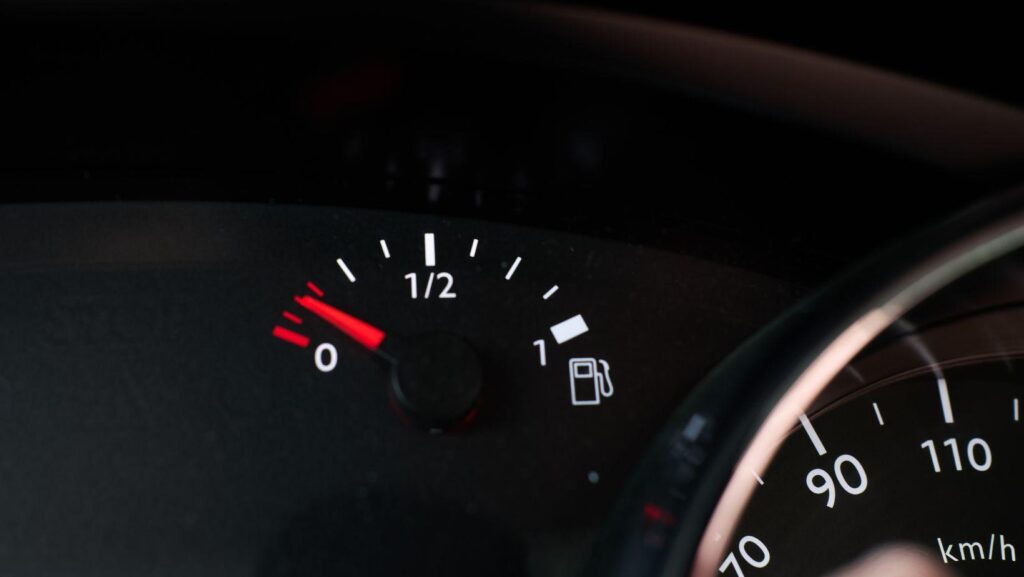
It never seems to happen when you are parked near a service station with nowhere urgent to be. Running out of fuel has an annoying habit of striking when you are already under pressure, halfway through a long day, or dealing with something important. Maybe it happens while towing equipment, working on a property, or trying to finish a job before the weather turns.
For people who spend time outdoors, work with machinery, or regularly travel long distances, fuel problems can become more than a simple inconvenience. A delayed job, missed appointment, or stranded vehicle quickly becomes frustrating and expensive. That is one reason some people choose to keep a heavy duty portable diesel tank nearby, especially when access to fuel is unpredictable.
Even if you rarely find yourself in these situations, understanding why fuel issues seem to appear at the worst possible moment can help you avoid the stress altogether.
Why fuel shortages always feel unexpected
Most people do not intentionally run low on fuel. The problem usually starts with optimism.
You tell yourself there is enough left for one more trip. The fuel gauge looks “close enough”. A quick stop gets delayed because something more urgent pops up. Before long, the warning light appears at the exact moment it becomes inconvenient.
Busy schedules make the problem worse. When people are focused on deadlines, travel, work, or family commitments, stopping for fuel slips down the priority list.
Small delays also add up. Detours, traffic, unexpected errands, or longer drive times can quietly eat through fuel faster than expected.
The hidden cost of poor fuel planning
Running out of fuel costs more than time. Depending on the situation, it can quickly create larger problems.
For people using equipment, machinery, generators, or diesel-powered vehicles, delays may interrupt an entire day of work. Missing delivery times, pausing projects, or waiting for emergency fuel often costs far more than expected.
There is also the stress factor. Nobody enjoys being stranded or scrambling to solve a problem that could have been avoided with a little preparation.
In rural areas or remote locations, fuel availability may not be nearby at all. A simple oversight can suddenly turn into a much bigger inconvenience.
Signs you may be leaving fuel too late
Some habits quietly increase the chance of getting caught out.
You regularly wait until warning lights appear before refuelling. Weekend plans often begin with an urgent fuel stop. Long drives feel like a gamble depending on what is left in the tank.
People who rely on diesel-powered equipment may notice another sign. Fuel runs out right when work becomes busiest.
Recognising these patterns early helps reduce frustration later.
Simple ways to avoid fuel headaches
A few small habits make a big difference.
Keeping a closer eye on fuel levels sounds obvious, yet many people only think about it once they are running low. Creating a routine helps, especially before longer trips or busy workdays.
Planning fuel stops ahead of time also removes unnecessary stress. If travel or outdoor work is part of your routine, preparation matters even more.
For properties, worksites, or situations where access to fuel may be limited, keeping backup fuel available can help avoid avoidable delays.
Preparation beats frustration
Fuel problems feel frustrating because they rarely happen at convenient moments. They show up during busy days, unexpected delays, or situations where time already feels tight.
A little planning often goes a long way. Building better habits and preparing ahead can turn fuel from something stressful into one less thing to worry about, especially when life already feels busy enough.
More Stories
Managing Roof Runoff Without Damaging Your Landscape
The rising cost of construction litigation and how to avoid it
When Could Sustainable Packaging Change Consumer Preferences For Mylar Magic?