

Imagine the wide vista from a porch in the Canadian Rockies, or a secluded fishing village on the Maritime coast. This nation’s natural beauty is unmatched, whether in the maple forests of Ontario or open prairies of Saskatchewan. Often that beauty is wrapped in distance, and the closest neighbor may be 5 minutes away.
That can be a serious issue, especially if a senior is alone in the house when a fall occurs, and it takes longer to get to them. Distance has become a part of daily life in Canada. That’s the space that a tiny wearable fills, bringing that distance down to seconds. But how does it really work and why is it significant for confident and independent living? Here are five ways that make a big difference.
1. Instant Emergency Response
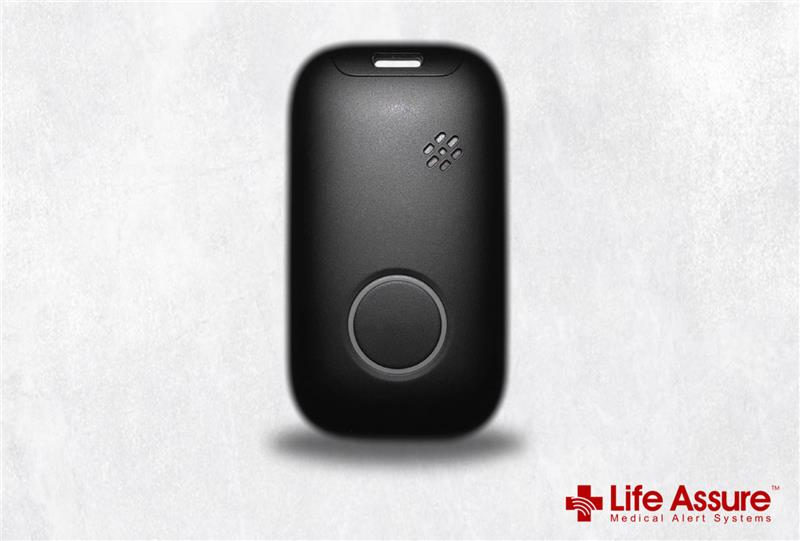
Canada is a beautiful country with breathtaking mountains, forests, lakes and coastal communities, which can make emergencies more difficult, but it is wonderful to live in. A canadian medical alert device is a system that allows seniors to get connected to trained emergency operators as soon as they need help, without having to pick up the phone and explain the situation first. Most systems operate by a pendant or wristband that is worn and connects to a base or cellular network; thus, coverage is with the person, not the home. A single push on the button provides access to a 24-hour response center.
From there, the operator quickly assesses the situation and decides who to contact:
- Paramedics/ambulance services
- A nearby neighbor to check in promptly.
- A family member who is on the account
This first contact is important as recovery after a fall can depend on response time.
2. Continuous Health Monitoring
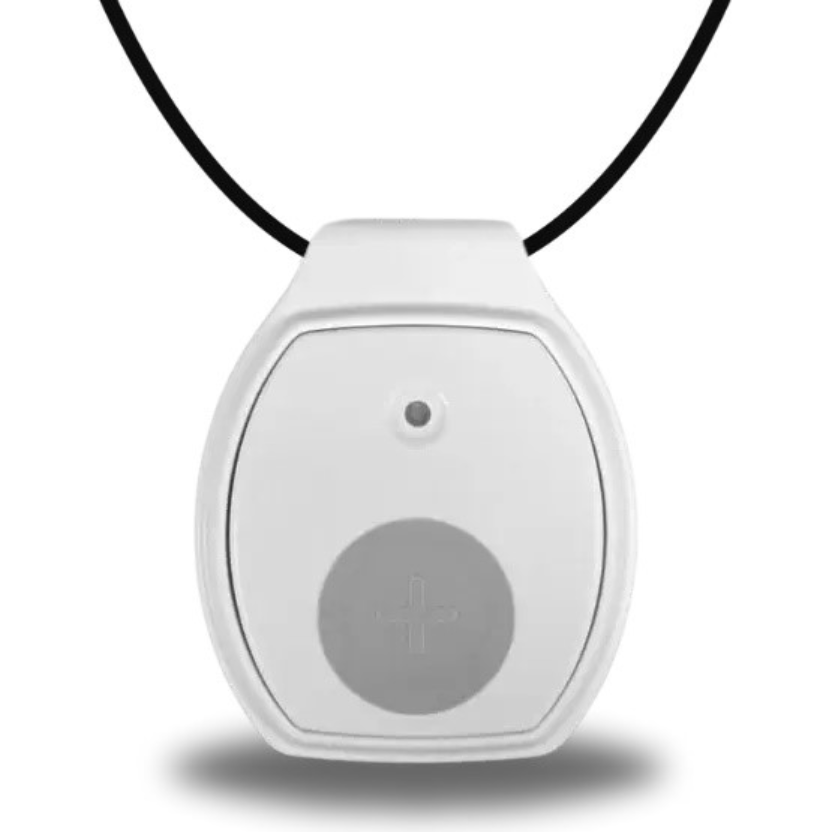
Beyond the emergency response, lots of devices monitor everyday habits that may indicate larger health issues before they turn into problems. Some models track activity levels, medication regimens and even irregular movement, which could indicate something wrong way before it becomes an issue. A few common features include:
- Check-ins to ensure well-being on a daily basis.
- Medication reminder alerts throughout the day.
- Automatic fall detection without needing a button press
- Out-of-home tracking for active seniors
According to a 2025 CIHI report on older adults’ health care experiences, community-based services, including home care, are becoming increasingly important. Canadians are relying on these services to manage chronic conditions and stay in their own homes for longer.
3. Confidence To Stay Active
Fear of falling often keeps seniors from doing the things they once enjoyed. Even a single fall can begin to make gardening, walking to the mailbox or visiting a neighbor down the road sound like a dangerous proposition. That hesitation can cause a person to become more and more isolated, each missed outing, until the front porch becomes the safest haven to remain.
This helps to shift that mindset in a tangible way, knowing that help is always near. When seniors have a dependable device, they tend to feel more at ease continuing to move, as one button is the barrier between them and help. That constant activity helps ensure better balance, strength, and mood over time. In fact, as strong as the device itself, confidence is protective.
4. Support For Chronic Conditions

Home management of chronic conditions can mean a lot of unknowns each day. Life-threatening conditions like heart problems, diabetes, and mobility problems only add to the risks when something goes wrong unexpectedly. A recent Statistics Canada study on older adults revealed that heart disease and high blood pressure were prevalent among Canadians aged 85 and over, even though many rated their health highly.
Let’s see how this happens. The device reduces the time lag between a medical event and the trained responders by alerting them with a single touch once the person experiences symptoms such as dizziness, chest discomfort, or sudden difficulty moving. That quicker response is how it contributes to the safe management of chronic illnesses, while keeping seniors in their homes rather than moving into higher care sooner than they need to.
5. Peace Of Mind For Families
With careers, children, and aging parents all on the front burner, there is a quiet and constant worry in the background for adult children. Daily check-in phone calls can only do so much when a parent is left alone and may not be able to answer right away. The device’s true day-to-day benefits begin to emerge here, for the families that need more than just a voicemail to feel at ease.
Since caregivers can make a call and trained responders are always available, there is a feeling of not having to check on the individual every day. That instant access is what makes the device lessen the daily anxiety of families and not only the senior that wears it. It helps build trust between the generations, and makes independent living seem much less risky, even if the relative is living provinces away.
Final Thoughts
While these distances can be a real safety concern for older people living alone, they also make this country a very good place to call home, at least for these landscapes. A reliable alert device fills that void straight away and will ensure that emergency access is gained, family confidence is active and that families know that help is close at hand. These tools alleviate the daily stress of fall detection, chronic condition support, and more for all concerned. As more Canadians choose to age at home, this technology plays an increasingly important role in making that choice both safe and sustainable, wherever they live.
More Stories
10 Best Tree Service Companies In Nashville, Tennessee
Managing Roof Runoff Without Damaging Your Landscape
The rising cost of construction litigation and how to avoid it