
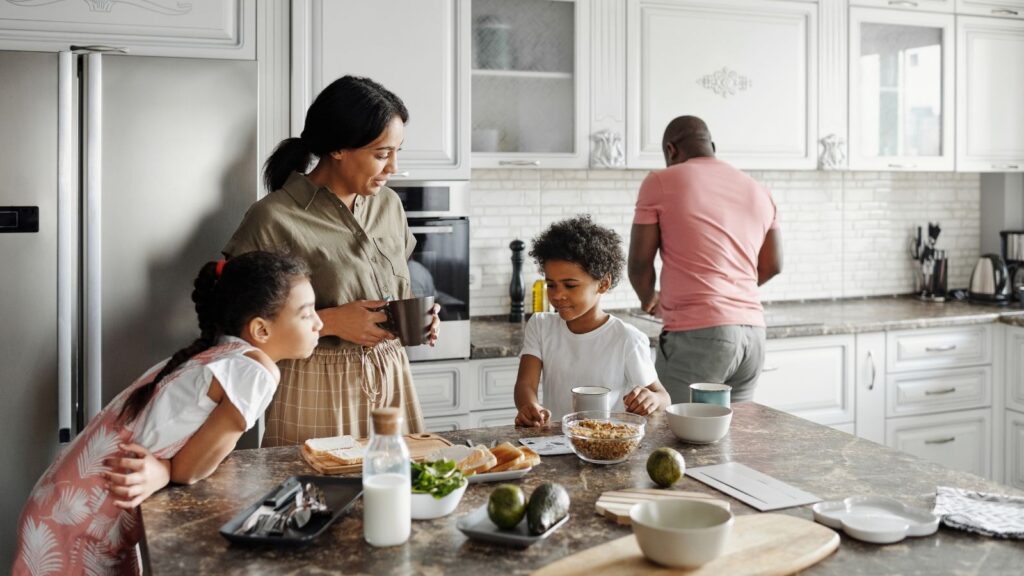
As the cost of living rises and caregiving needs evolve across the old and young alike, more families are choosing multigenerational living as a way of life. Living with multiple generations — grandparents, parents and children — all under the same roof can be a deeply rewarding experience. Not only do parents get valuable assistance with childcare and managing the household, but grandparents get the peace of mind knowing that helping hands are nearby, and children get to build precious memories with relatives they might otherwise only see a few times a year.
Creating a home environment that works for everyone, however, requires thoughtful planning. Accommodating varied lifestyles and routines under the same roof can be stressful, and making it work calls for more than just ensuring your shared space is large enough for everyone. It requires clear communication, sound financial planning, respect for personal boundaries and adaptability. With the right blend, a household can become a stable and supportive space for every generation.
Create a supportive home for everyone
A household that successfully and sustainably accommodates multiple generations starts with the physical setup of the home.
Make space for privacy
Family members need room to spend time together, but also to rest, recharge and enjoy some time alone. Creating separate zones in the home for each generation can help make life smoother and reduce friction in a house. If you’re concerned about the cost of renovating your space to accommodate everyone’s needs, you can explore financing options such as personal loans to help you make the space more functional for everyone.
Design shared areas wisely
Common spaces like kitchens, living rooms and dining rooms, as well as backyards, are the heart of a shared home. Make sure they’re functional and easy to use, and can comfortably accommodate your family. Smart storage solutions and flexible seating arrangements can help make a home feel less crowded. Scheduling can help as well. Establishing a set routine for meals, playtime and quiet time can also help everyone share these areas with less friction.
Ensure sound financial planning
Clearly laying out financial responsibilities is one of the most important aspects of sharing a living space. A lack of communication and subsequent financial tension can lead to resentment between family members in the long run.
Set clear expectations
Be transparent about how much everyone is expected to contribute to the household, and what they’re responsible for. Having a frank discussion with your family members about how to share expenses helps everyone understand how much they need to contribute and avoid confusion and misunderstanding later. Creating a shared spreadsheet and even setting up a shared checking account to cover everyday expenses can help keep the household running smoothly.
Review the plan periodically
Your family’s financial circumstances keep evolving, so your financial plans shouldn’t be static, either. Since each generation’s income, expenses and needs typically change over time, revisiting financial plans on a regular basis helps ensure that expenses are divided fairly and reflect current needs.
Balance companionship, freedom, and conflict
A healthy home hinges on balancing human connection and personal freedom. While spending time together every day does help strengthen relationships, being together constantly can also cause some to feel stifled.
Respect and support individual lifestyles
Sometimes a multigenerational lifestyle doesn’t always involve living together year-round. Seniors who want to travel might choose to trade in their home for an RV, while using their adult children’s home as a permanent base when they’re not on the road. For these families, RV loans can help cover the cost of an RV that works best for them.
Balance personal freedom and house rules
Work together to set basic rules and expectations for the household with your family. They don’t need to be rigid, but should be clear. Some examples of this are responsibilities for chores such as washing dishes, cleaning, taking out the trash and grocery shopping, as well as quiet hours, guest policies and caregiving responsibilities. When everyone feels included in setting rules, they’re more likely to understand them, and the home will run more smoothly.
At the same time, though, independence matters — regardless of age. Homes are peaceful when family members are allowed to maintain control over their own time and choices. Preserving a sense of autonomy in elders and fostering it in children can lead to stronger, more respectful relationships.
Strengthen communication in the house
Conflict is inevitable in any home, especially with generations with different values, lifestyles and routines. The goal, however, should not be to eliminate issues but to address them. Listen and carefully acknowledge them, focusing on solutions that help prevent frustration.
Creating a sense of home for generations to come
For a multigenerational household to run smoothly, it takes effort, flexibility and patience. The rewards, though, are long-lasting. Open communication, shared responsibilities and mutual respect build a sense of trust and emotional connection. A little bit of practical planning and consistent effort is all it takes.
More Stories
Planning a DIY Radiant Barrier Installation in Your Attic
How to keep your bathroom surfaces free from stubborn limescale
When Is a Temporary Roof Repair Useful, and When Is It Only Buying Time?