
As the temperature cools down, it’s time to think about fall plumbing maintenance for your Maryland mobile home. Here are some handy tips to keep in mind!
Visible Plumbing Checks
Pipes and Fixtures
Check your mobile home’s underbelly, where many drain and supply lines are located, as well as areas near the exterior walls of your home, and keep an eye out for anything unusual. Mobile home plumbing can be exposed to the elements, pests, moisture and other issues in these areas.
- Check under sinks for corrosion, staining, moisture, warped wood or other issues with your P-traps, shutoff valves, or pipe connections. A musty smell can also indicate a problem.
- Inspect the base of toilets, connections for bathroom and kitchen sinks, and other plumbing fixtures and appliances (i.e. washing machines, water heaters, outdoor faucets, etc.) for similar issues.
- Turn on faucets and check the speed of draining in sinks and tubs. Slow draining or gurgling sounds can indicate a clog or venting issue.
Don’t wait for a drip to become a disaster! Even small leaks can cause big problems over time, especially in mobile homes where leaks can seep into hard-to-access areas and damage flooring, subflooring, insulation, skirting, etc. before anyone notices an issue.
Skirting and Underbelly
As the weather changes, check your skirting to make sure all pieces are intact and secure. If skirting is damaged or missing, cold air, rain, debris, rodents, etc. can get in and wreak havoc on your mobile home’s plumbing (not to mention make it more difficult to keep your home toasty during the winter!).
If it’s safe to do so, check the area under your home and make sure the belly board and insulation are secure and in good shape. Look out for rips in the vapor barrier, sagging insulation, evidence of pests, moisture, etc. Wet insulation is ineffective at keeping pipes warm and can wick moisture into your home’s subfloor and framing members.
Cold-Weather Protection
Drain Care
Holiday entertaining and fall cooking can wreak havoc on your kitchen drains, so it’s important to make sure everything is draining freely before the busy season begins. If every drain is flowing normally, no action is needed, but Metcalf Plumbing Service, LLC investigates recurring slowdowns and backups that may signal a deeper blockage. Give each of your sinks, tubs, and showers a quick draining test to make sure water isn’t draining slowly, bubbling, backing up, or leaving behind any funky smells.
Instead of turning to chemical drain cleaners (which can be tough on older pipes and connections and may not tackle the root of the problem), try clearing out any gunk or hair from stoppers and strainers and running hot water down your drains (if appropriate for your pipes/fixtures).
And remember: Never pour coffee grounds, fibrous foods, grease, etc. down your kitchen sink! These items can lodge in narrow areas of your drain pipes and cause major clogs down the road.
If you’re experiencing slow drains in multiple locations or notice water backing up in other drains when you flush your toilet, it could be time to call in the professionals for a more thorough inspection.
Water Heater Checks
With cooler temperatures, your water heater has to work extra hard to deliver hot showers and dishes, so be sure to take a peek under the hood (or tank, as it were). Make sure there’s nothing sitting on or around your water heater blocking the pressure relief valve’s drain pipe and look out for any evidence of leaks, moisture, rust, or mineral deposits around your water heater.
If your water heater is located in a utility closet, make sure the area around it is accessible and free from any evidence of moisture. Leaks in these locations can cause extensive damage to surrounding walls and floors before the issue is detected.
Don’t have easy access to your water heater or unsure about navigating electrical/fuel connections? No problem! Just look out for any evidence of leaks and have a professional check it out if you notice anything amiss.
Insulation and Drafts
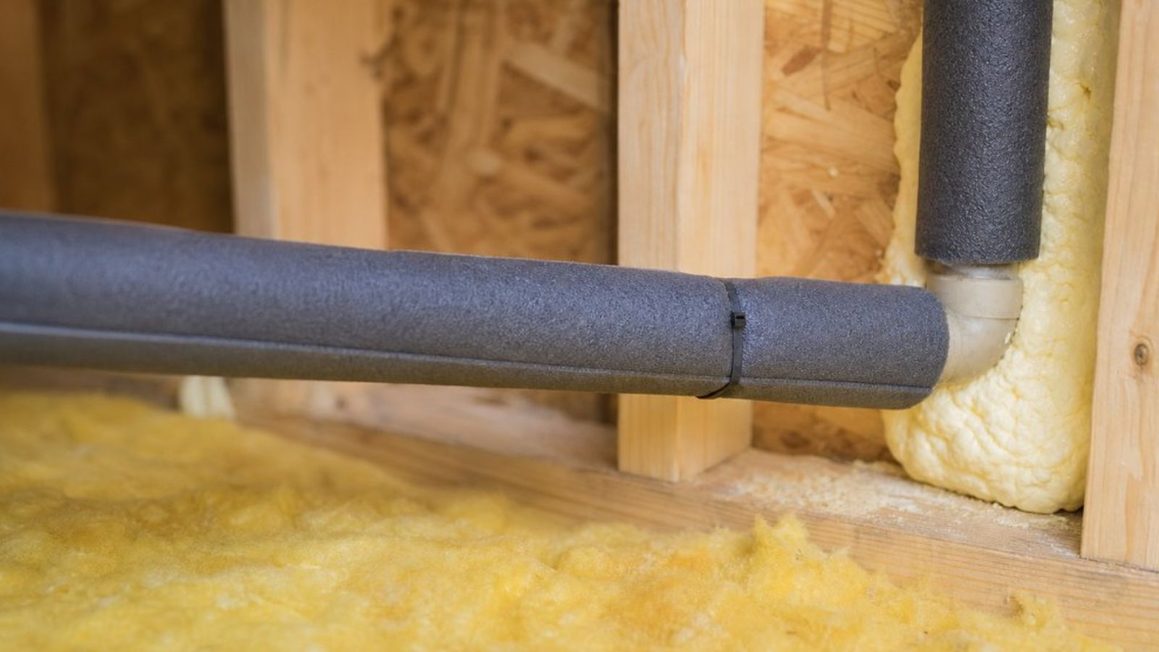
While it’s important to add extra layers of pipe insulation when the weather turns, it’s also important to limit the amount of cold air that’s accessing your pipes. Check areas where pipes enter walls, floors, and cabinets for any gaps and be sure to seal them up to keep drafts (and critters!) out.
While you’re at it, add some extra pipe insulation (or replace any that’s falling apart or hanging out loosely) to provide an extra layer of protection for your pipes.
Remember to disconnect, drain, and store garden hoses before freezing temperatures set in to avoid damaging your faucets and hose bibb connections; https://www.climate.gov/news-features/understanding-climate/understanding-frost-freeze-and-freeze-warnings explains frost and freeze warnings.
Moisture and Repairs
Outdoor Moisture
Water problems outside your home can trickle (quite literally) in, wreaking havoc on your mobile home’s plumbing system. Keep an eye out for any evidence of moisture around your home’s perimeter and be sure to keep leaves and other debris out of your gutters and downspouts so that water will drain properly away from your home. Standing water can saturate the ground around your home, making your way into your crawl space and putting your plumbing, insulation, belly, and floor structure at risk.
Have evidence of moisture around your skirting? This could be a sign of plumbing issues below your home, particularly if you’re noticing dampness that’s unrelated to rainy weather.
Professional Repairs
While many of the above fall plumbing maintenance tips are well within the grasp of the DIY-minded homeowner, there are times when it’s best to call in the cavalry:
- Frequent clogs or sewage odors
- Decreased water pressure
- Evidence of leaks you can’t seem to track down
- Damaged or inaccessible plumbing
- Inaccessible water heater
- Damaged belly
- Exposed plumbing
- Main line issues
- Anytime you’re out of your element
Rather than risking making a plumbing issue worse (or missing the root of the problem altogether), call a qualified plumbing professional to diagnose and repair the issue the right way the first time.
Fall To-Do List
Rather than waiting until dripping faucets, slow drains, mysterious smells, or damp spots under your home let you know something’s amiss, get a head start on fall plumbing maintenance this year! Check out your home’s plumbing from top to bottom (including the all-important underside!) and jot down a list of anything that needs your attention. Then tackle the most pressing issue on your list before the weather turns!
More Stories
What’s Next for Luxury Vinyl in 2026: Warm Colors, Matte Surfaces & Realistic Texture
Bathroom Remodeling Decisions: Everyday Comfort Starts With the Details
Hidden Problems in Older Homes That Appear During Remodeling