
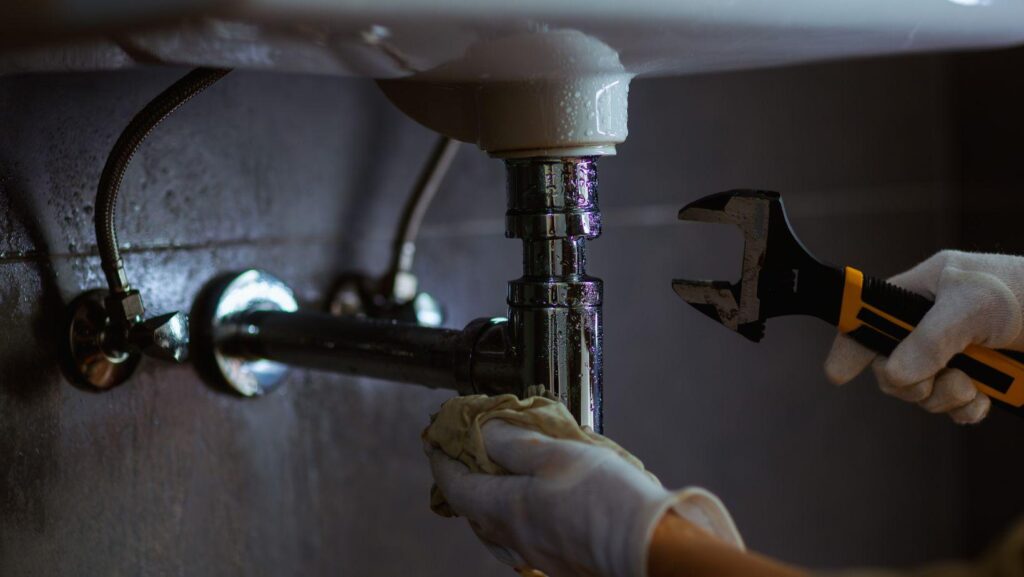
Buying your first home is exciting, but it also comes with a long list of things to check, repair, and improve. Many first-time homeowners focus on visible upgrades first, such as paint, flooring, cabinets, or lighting. However, the plumbing system deserves just as much attention, especially if the home is older or has not been maintained carefully.
The good news is that not every plumbing update requires a major renovation. Some of the most useful improvements are simple, practical, and budget-friendly. By checking hoses, valves, drains, and fixture connections early, homeowners can reduce the risk of leaks, water damage, and unexpected repair costs later.
Start With Old Supply Hoses
One of the easiest plumbing updates after buying a home is replacing old supply hoses. These hoses are commonly found under sinks, behind toilets, behind washing machines, and connected to appliances such as dishwashers or ice makers.
Old hoses may look fine from the outside, but over time they can become stiff, cracked, corroded, or weakened at the connection points. A small leak behind a toilet or under a vanity can go unnoticed for days, especially in a new home where you are still learning how everything works.
First-time homeowners should check hoses for signs of wear, including rusted fittings, bulging, kinks, or moisture around the connection. If the hose looks old or the home’s maintenance history is unclear, replacing it is often a smart move. Braided stainless steel supply hoses are commonly used because they are flexible, durable, and suitable for many residential fixture connections.
Before starting any replacement, turn off the water supply and make sure the new hose matches the correct length and connection size. If you are unsure what parts you need, browsing a plumbing-focused supplier like PlumbingSell can help you compare common hoses, valves, fittings, and other repair parts before beginning the project.
Check Every Shut-Off Valve
Shut-off valves are small but important parts of a home’s plumbing system. They allow you to turn off water to a specific fixture without shutting down the entire house. You will usually find them under sinks, behind toilets, behind washing machines, near water heaters, and sometimes near outdoor hose bibbs.
After moving into a home, test each shut-off valve carefully. It should turn smoothly and stop water flow when fully closed. If the valve is stuck, leaking, corroded, or difficult to operate, it may need to be replaced.
This is especially important before renovation work. If you plan to replace a faucet, vanity, toilet, dishwasher, or washing machine, a working shut-off valve can make the job much easier and safer. Without one, even a small fixture update can become stressful.
For first-time homeowners, this is one of the best “prevent future problems” checks to do early. It is also a good idea to learn where the main water shut-off is located and make sure everyone in the household knows how to access it.
Inspect Drains Before Cosmetic Renovations
Drains are often ignored until they become slow, noisy, or blocked. Before starting bathroom, kitchen, laundry, or basement renovations, first-time buyers should inspect the visible drain areas. Addressing issues early with professional blocked drain repair can help restore proper drainage and avoid costly plumbing complications.
Look under sinks for signs of leaks, loose trap connections, staining, or unpleasant odors. Run water for a few minutes and watch how quickly it drains. In tubs and showers, slow drainage may point to hair buildup, old pipes, or venting issues. In kitchens, grease and food residue can collect inside drain lines over time.
If you are renovating a bathroom or kitchen, it is much better to address drain issues before installing new cabinets, flooring, or fixtures. Once the finished surfaces are in place, plumbing access may become more difficult.
Simple maintenance can also help. Avoid pouring grease down kitchen drains, use drain strainers where needed, and clean visible traps if they are accessible and safe to remove. For recurring drain problems, it is best to call a licensed plumber before the issue becomes larger.
Upgrade Fixture Connections During Small Renovations
Many first-time homeowners make small improvements after moving in, such as replacing faucets, toilets, shower fixtures, washing machine connections, or appliance water lines. These projects are a good opportunity to upgrade old fixture connections at the same time.
For example, if you are replacing a bathroom faucet, check the supply lines and shut-off valves too. If you are upgrading a toilet, inspect the toilet supply hose and valve. If you are installing a new washing machine, check both hot and cold water hoses and make sure the laundry valves are in good condition.
This approach saves time because you are already working in the same area. It also reduces the chance of connecting a new fixture to old, worn, or unreliable parts.
When ordering parts, make sure you confirm the connection type, size, and material. Plumbing parts can look similar but fit differently. Compression, threaded, sweat, PEX, CPVC, and push-fit connections are not interchangeable. Checking these details before buying helps avoid delays and unnecessary returns.
Create a Basic Plumbing Maintenance Routine
After buying a home, plumbing maintenance does not need to be complicated. A simple seasonal checklist can make a big difference.
Every few months, look under sinks for moisture, check around toilets for water on the floor, test visible shut-off valves, and inspect appliance hoses. Check outdoor faucets before and after colder weather if your area experiences freezing temperatures. Listen for running toilets, dripping faucets, or unusual pipe noises.
It is also helpful to keep a small supply of common plumbing repair parts on hand, such as washers, supply lines, basic fittings, plumber’s tape, and replacement valves. For homeowners who prefer to plan ahead, PlumbingSell offers a wide range of plumbing supplies that can support simple repairs, fixture updates, and renovation preparation.
Final Thoughts
For first-time home buyers, plumbing updates do not always have to be expensive or complicated. Replacing old hoses, checking shut-off valves, inspecting drains, and upgrading fixture connections are practical steps that can protect the home and make future renovations smoother.
The key is to look beyond cosmetic improvements. A beautiful bathroom or kitchen still depends on reliable plumbing behind the scenes. By handling small plumbing updates early, new homeowners can feel more confident, avoid last-minute problems, and build a safer foundation for future renovation plans.
More Stories
Planning a DIY Radiant Barrier Installation in Your Attic
How to keep your bathroom surfaces free from stubborn limescale
When Is a Temporary Roof Repair Useful, and When Is It Only Buying Time?