
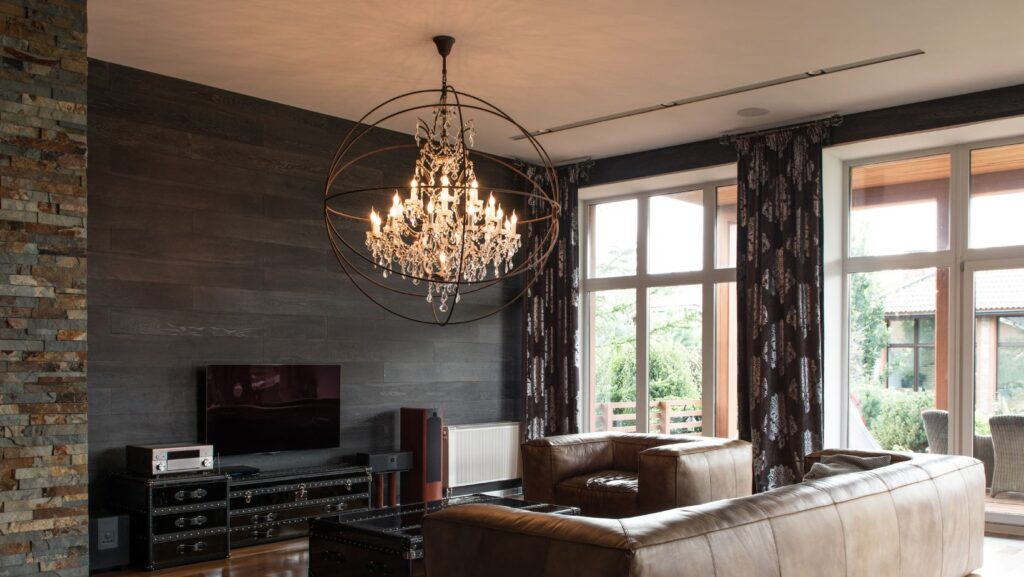
This year, something amazing is occurring with how we plan our homes. Wood is a common element in freshly remodelled homes, design magazines, and social media posts. It is the major character, not just a supporting one. The wood panelling that your grandmother had is not this. Our understanding of how natural materials affect our surroundings is undergoing a significant shift.
The shift makes sense when you consider what people actually want from their homes now. After years of cold, sterile minimalism, there’s a hunger for spaces that feel alive and welcoming. Wood furniture and decor from https://maxiwoods.com/collections/all helps create rooms that look great in photos but also feel good to live in day after day. It’s about finding that sweet spot between style and genuine comfort.
Why Wood Makes Us Feel Better
Here’s something interesting: scientists have actually studied what happens to people when they’re around natural wood. The results show measurably lower stress levels and better mood. Your body responds to wood differently than it does to plastic or metal, even if your conscious mind doesn’t register the difference.
Compare the feel of a laminate table to that of a smooth hardwood table. Your eyes automatically follow the grain patterns, texture, and minute temperature changes. These little sensory encounters build up. With so much of life taking place on screens, they help us stay grounded in the actual world, which is more important than ever.
The Green Factor Actually Matters Now
Sustainability is a topic that is often discussed, but in 2025, it became a reality. Customers are curious about the origins of materials and their ultimate fate. When wood is supplied properly, it wins on both counts.
A tree thrives by taking carbon out of the atmosphere and storing it. For decades or perhaps centuries, that carbon is trapped in the wood of high-quality furniture. Compare it to the use of chemicals, emissions, and the burning of fossil fuels in the creation of plastic or composite products. Math-wise, it’s not even close.
There’s also this growing movement toward buying local. People want wood from regional forests, cut and milled nearby. It reduces shipping emissions, sure, but there’s something else too. Using local species connects your home to the place you actually live. A dining table made from regional oak or maple tells a story about where you are.
Goodbye Ice Palace, Hello Cozy Modern
Remember when every trendy home looked like an Apple Store? All white surfaces, chrome fixtures, nothing out of place, nothing warm? That era is over. What replaced it keeps the clean lines and uncluttered feel but adds back humanity.
Wood is what makes this new plan function.Your home doesn’t have to seem like an empty showroom to have the minimalist look you want. You don’t need much more to make a plain wooden dining table the centre of the room. The tone, texture, and way light reflects off of the material throughout the day make it seem good.
This is particularly appreciated by younger consumers. They would like to have fewer high-quality items rather than overload their houses with flimsy, inexpensive stuff. A single, nicely crafted wooden object is always preferable than a dozen throwaway ones.
Works With Everything
What makes wood so practical is how well it plays with other materials and styles. You can’t say that about many design elements.
Scandinavian design uses pale woods like birch and ash to make spaces seem light and open. Japanese-style rooms employ darker, richer woods to make people feel tranquil. Loft apartments include repurposed wood, concrete, and exposed brick. Even in the most modern homes, wood is utilized to contrast with steel and glass.
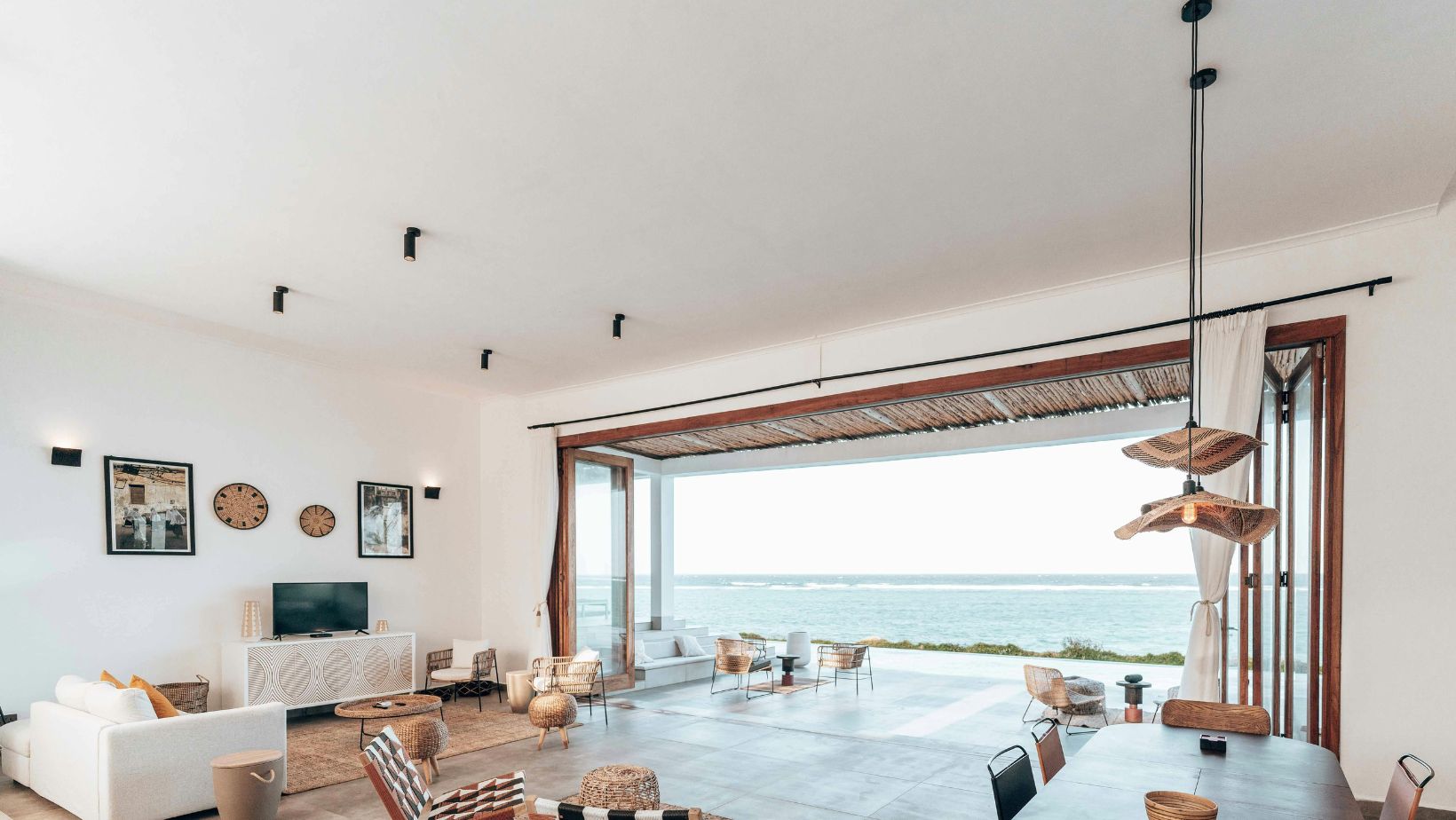
This flexibility means you’re not locked into one aesthetic. Your wooden pieces can move with you through different phases of taste and life stages. That coffee table works just as well in a bohemian apartment as it does in a suburban family room.
Better Technology, More Options
Wood used to be limited. You couldn’t use it in bathrooms or kitchens without serious worries about water damage. New treatment methods changed that completely.
Today’s finishes protect wood from moisture, stains, and daily wear without hiding what makes it beautiful. You can have wooden vanities in your bathroom, butcher block counters in your kitchen, hardwood floors in your entryway where wet shoes and snow come in. The material holds up while keeping its natural look.
The cost has come down too. Improvements in how wood gets harvested and processed mean you don’t need a luxury budget anymore. Good wooden furniture and finishes are within reach for regular homeowners, not just the wealthy.
Going Big With Wood
The really interesting trend is wood moving beyond furniture into architecture itself. Entire walls covered in wood planks, ceiling beams left exposed and celebrated, custom millwork that becomes the room’s defining feature.
These bold movements accomplish more than just looking nice. Rooms with wood accents seem calmer and quieter because wood absorbs sound better than plasterboard. Additionally, there is an insulating value. Additionally, a space with a gorgeous wood accent wall instantly seems unique without being excessive.
People are getting creative—wooden staircases that double as sculpture, light fixtures carved from single pieces of wood, mirrors framed in live-edge slabs that show the tree’s original shape.
Real Craft Is Back
Mass production dominated for so long that we forgot what handmade actually means. Wood’s popularity has sparked new interest in traditional craftsmanship and local artisans.
There’s a real appetite now for furniture made by actual people, not stamped out in factories overseas. Buyers want to know the woodworker’s name, see tool marks that prove human hands shaped the piece. Reclaimed barn wood with nail holes and weathering tells you where it came from. These “flaws” are exactly what people are looking for.
It represents a bigger shift in values. Why buy something designed to be thrown away in five years when you could invest in furniture your grandchildren might use? The price tag might be higher upfront, but the cost per year of ownership is actually lower.
Where This Leaves Us
Wood’s conquest of interior design isn’t random or shallow. It shows what people want from their houses these days: places that make them feel good instead of bad, realness, and a connection to nature. As we understand more about how our surroundings affect our mental and physical health, it makes sense to use materials that seem alive.
Adding architectural wood to your house transforms its atmosphere, whether you start small with a few well selected furniture pieces or go large with architectural wood elements. It’s friendlier, cosier, and more human. For anyone ready to make that shift, quality wooden options offer a straightforward path to rooms you’ll actually enjoy living in. Check out what’s possible at MaxiWoods.
More Stories
Planning a DIY Radiant Barrier Installation in Your Attic
How to keep your bathroom surfaces free from stubborn limescale
When Is a Temporary Roof Repair Useful, and When Is It Only Buying Time?