
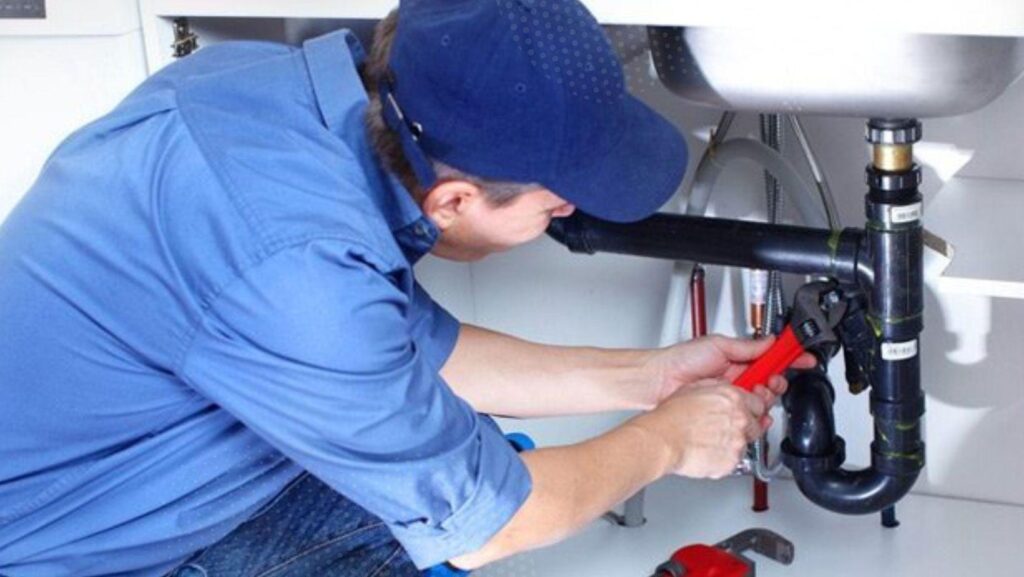
Most plumbing disasters don’t start as disasters. They begin with a small drip or a fitting tightened just a little too much. Smart plumbing maintenance hinges as much on what you don’t do as what you do, and the wrong move can turn a $5 fix into a $500 emergency call.
Most of these mistakes are easy to spot once you know what to watch for. Here are eight things homeowners get wrong all the time, along with how to handle each one the right way and avoid the headaches that follow.
1. Ignoring Small Leaks
That tiny drip from your bathroom faucet feels harmless. It isn’t. According to the U.S. Environmental Protection Agency, the average family wastes about 9,400 gallons of water annually from household leaks. Moreover, ten percent of homes have leaks bad enough to waste 90 gallons or more daily.
A small leak today often signals a bigger problem brewing inside the wall. Worn flappers and loose pipe connections only get worse without attention. Catching them early protects your water bill and your home’s structure from costly water damage that’s much harder to repair after the fact.
A simple way to check for hidden leaks is to read your water meter, wait two hours without using any water, and read it again. If the number changed, water is escaping somewhere in your home. The sooner you find it, the cheaper the fix.
2. Pouring Grease Down the Drain
Bacon grease seems harmless when it’s hot and liquid. Once it cools inside your pipes, it hardens into a thick coating that traps food particles and slows water flow. Over months, this buildup creates clogs that resist plungers and require professional snaking to clear properly.
Pour cooled grease into an old jar or can instead, then toss it in the trash once full. Wipe greasy pans with a paper towel before washing them. These small kitchen habits keep your drain running clear and save you from expensive emergency callouts down the road.
3. Reaching for Chemical Drain Cleaners First
Chemical drain cleaners are tempting when water won’t go down. They’re also rough on older pipes and can corrode metal fittings over time. The harsh chemicals pose real risks too, especially if they splash on your skin or mix with other cleaners already in the drain.
Try a plunger first. If that fails, a hand-cranked drain snake costs around $20 at any hardware store and clears most clogs without damaging your plumbing. Save chemical cleaners for stubborn cases only, and never use them on a fully blocked drain since they’ll just sit and corrode the pipe walls.
4. Flushing Things That Don’t Belong
Toilets are designed for human waste and toilet paper. That’s the entire list. Wet wipes labeled “flushable” still cause major sewer backups, as do paper towels and feminine hygiene products. These items don’t break down the way toilet paper does, and they accumulate in your pipes over time.
Even small items add up. Putting a small trash can in every bathroom solves the problem before it starts. Your plumbing system and your wallet will both thank you, especially when your neighbors are dealing with sewer backups, and you’re not.
5. Overtightening Fittings
When you fix a leaky pipe or install a new fixture, your first instinct is to crank the fitting as tight as possible. This often strips the threads or splits the pipe entirely. Once that happens, you’ve created a leak much worse than the original drip you were trying to stop.
Hand-tighten first, then give the wrench just a quarter turn to seat the seal. If it still leaks, check the washer or use plumber’s tape rather than muscling it tighter. Plumbing seals are designed to work with proper torque, not maximum force from someone determined to win the fight.
6. Skipping Water Heater Maintenance
Your water heater works hard every day, but most homeowners ignore it until something breaks. Sediment builds up at the bottom of the tank over time, reducing efficiency and shortening the unit’s lifespan considerably. A 10-year-old heater can fail without warning, flooding a basement or utility closet within minutes.
Drain a few gallons from the tank once a year to flush out sediment. Test the temperature and pressure relief valve at the same time. These two simple tasks add years to the unit’s life and catch problems before they become emergencies that ruin your weekend.
7. Not Knowing Where the Main Shut-Off Valve Is
When a pipe bursts, every second counts. If you don’t know where the main shut-off valve is, you’ll lose hundreds of gallons of water before you find it. Many homeowners only learn the location after a disaster, which is far too late to prevent serious damage.
Walk through your home this week and locate the valve. It’s usually in the basement or near the water meter outside. Make sure it turns easily; if it’s rusted shut, have a plumber replace it. Show every adult in the household where it is and how it works.
Stick a brightly colored label or piece of tape near the valve so anyone can find it in a panic. The same goes for shut-off valves under sinks and behind toilets. A 30-second labeling job today could save you from real damage later.
8. Forgetting to Insulate Pipes Before Winter
Frozen pipes can burst, often inside walls where the damage spreads for hours before anyone notices. The cleanup runs into thousands of dollars and disrupts your life for weeks while contractors repair the structural damage. Prevention costs almost nothing compared to the alternative.
Wrap exposed pipes in foam insulation sleeves, especially those running through unheated spaces like crawl spaces or garages. On the coldest nights, let one faucet drip slowly to keep water moving through the lines. Disconnect outdoor hoses and shut off the supply to outdoor spigots before the first hard freeze hits.
If you travel during winter, never set the thermostat below 55 degrees while you’re away. The small heating bill is a tiny price to pay compared to coming home to a flooded house with frozen pipes that burst overnight.
Building Better Habits
The best plumbing maintenance comes down to small, consistent habits rather than big projects. Check under sinks once a month for moisture. Listen for running toilets at night. Pay attention when something sounds or looks wrong, since early action saves money every single time.
When the job is bigger than your skill set, call a licensed plumber. The cost of professional help is almost always less than the cost of fixing a botched DIY repair. Every homeowner runs into plumbing issues eventually; the ones who handle them well stay ahead of the problems instead of chasing them.
More Stories
Planning a DIY Radiant Barrier Installation in Your Attic
How to keep your bathroom surfaces free from stubborn limescale
When Is a Temporary Roof Repair Useful, and When Is It Only Buying Time?