
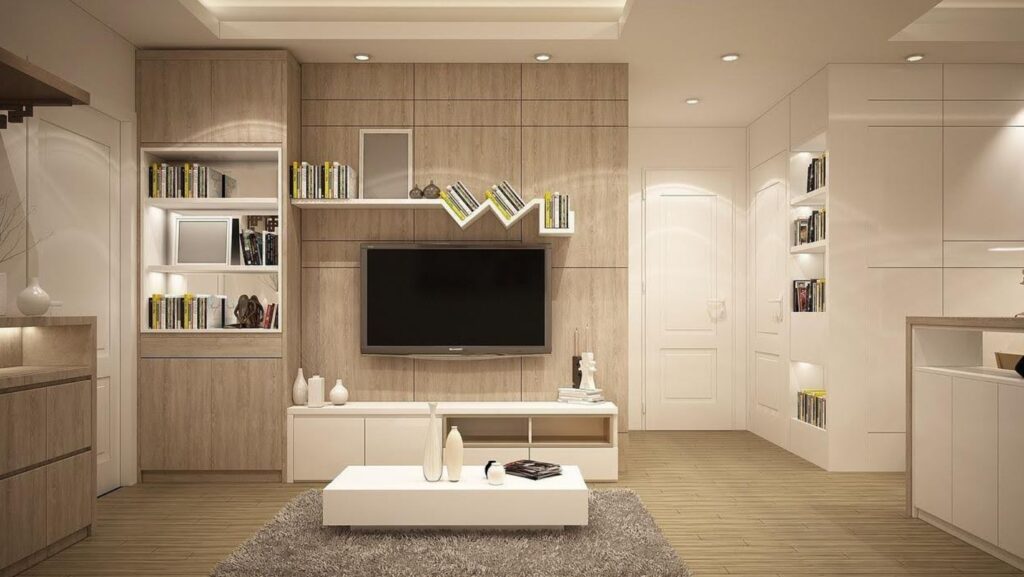
If you live in a small apartment, you quickly learn that space is more than a neutral backdrop; it is a resource that must be managed carefully. Every new item has a cost measured not just in money, but in floor area, visual clutter, and flexibility. The right compact gadgets can make a modest home feel surprisingly functional, while the wrong ones turn it into a cramped storehouse of rarely used devices.
In the same way that you might follow a live cricket match in india on a single small screen instead of spreading equipment across an entire room, the secret to living well in tight quarters is choosing tools that concentrate functionality without dominating your environment. That means understanding which gadgets genuinely solve everyday problems and which merely look clever in online photos.
Why compact gadgets matter more in small apartments
In larger homes, it’s easy to hide redundant or oversized devices in a spare room or a generous cupboard. In a tiny apartment, there is nowhere to hide: what you own is on display, and it competes with your movement, your comfort, and your sense of calm.
Compact gadgets are not only about physical size. They also affect:
- Flexibility – A small, portable device can move between rooms or even accompany you when you travel.
- Visual weight – Sleek, neutral designs contribute less to visual clutter than bulky, colorful items.
- Energy and time – Gadgets that simplify routine tasks can compensate for the minor inconvenience of living in a smaller space.
A good compact device doesn’t simply shrink an existing object; it rethinks how a task can be done with fewer parts, fewer motions, and less storage.
Kitchen gadgets: where space pressure is highest
The kitchen is often the most cramped and complicated area in a small apartment. Countertops double as prep space, storage, and sometimes even as a dining area. For that reason, kitchen gadgets should be chosen with almost ruthless selectivity.
Prioritize multifunctional tools
A single, well-designed appliance that chops, blends, and purees can replace several bulky machines. Stackable mixing bowls that nest inside one another take less cupboard space than a random collection of mismatched containers. A foldable drying rack that can be hung over the sink and rolled away afterward is far more forgiving than a permanent dish-drying station that occupies half the counter.
Avoid “single-trick” novelty items
Many gadget catalogs promote tiny tools that perform just one very specific task. In a large kitchen, such tools are mildly inefficient; in a small apartment, they are a continuous burden. If a device only does one thing, it should either solve a genuine problem you encounter frequently, or it should be very small and easy to store. Otherwise, a simple knife or spoon will usually do the job well enough.
Compact cleaning and laundry solutions
Cleaning equipment can expand quietly until it eats a surprising portion of your limited storage. Brooms, mops, vacuum cleaners, and laundry accessories all take physical and visual space.
Collapsible and vertical designs
Collapsible mop handles, foldable buckets, and slim vacuum cleaners that can be mounted on a wall or tucked behind a door are particularly useful. They exploit vertical space rather than floor area, which is crucial in narrow hallways and minimal closets. A handheld vacuum can often replace a larger floor model in a studio or one-room apartment, as long as you are comfortable with shorter cleaning sessions and more frequent charging.
Compact laundry helpers
If you lack a dedicated laundry room, small tools can soften the inconvenience. A fold-out drying rack that slips under a bed or behind a wardrobe when not in use is more practical than a permanent, full-size rack standing in your living area. A compact, lidded hamper can serve as both storage and a makeshift seat. The goal is not to replicate the infrastructure of a larger home, but to manage laundry in a way that does not dominate your living space.
Smart furniture and integrated gadgets
Some of the best “gadgets” for small apartments are not separate devices at all, but pieces of furniture with clever, integrated features.
Multifunctional furniture
A coffee table with hidden storage for remotes, cables, and chargers reduces the need for extra side tables or boxes. A bed with built-in drawers replaces a separate chest of drawers and also limits dust-collecting dead zones under the frame. Folding desks that mount to the wall and include lighting or power outlets effectively combine furniture and gadget into one compact unit.
Built-in lighting and power
Lighting is often neglected in small apartments, yet it has a huge effect on how spacious a room feels. Compact lamps that clip to shelves or headboards, or slim LED strips tucked under cabinets, provide focused, practical light without consuming floor area. When these lights include integrated dimming or charging ports, they act as both ambience creators and functional hubs for your devices.

Digital devices that earn their place
Digital gadgets can be paradoxical in small homes. On one hand, they take little physical space; on the other, they can multiply rapidly and bring a tangle of cables and chargers. A few principles help keep them under control.
- Consolidate functions – A single tablet or lightweight laptop can serve as entertainment screen, reading device, and work tool.
- Use wireless when reasonable – Wireless speakers or headphones reduce visible clutter compared with long, trailing cables, especially in open-plan spaces.
- Think about storage – Small boxes, cable organizers, or a drawer dedicated to chargers and accessories prevent the slow spread of digital chaos across every surface.
In a compact apartment, the psychological impact of tidy, controlled electronics is almost as important as their technical performance.
How to evaluate whether a gadget is worth the space
Because every square meter counts, purchase decisions need a slightly different framework than in a larger home. Before bringing in a new gadget, it helps to ask:
- How often will I use this?
If the honest answer is “a few times a year,” it may be better to borrow, rent, or do without. - What can I get rid of if I add this?
A new device is easier to justify if it replaces at least one existing item and ideally two or three. - Where will it live when it’s not in use?
If you cannot picture its exact storage spot, it will probably end up on the floor or on a table, silently shrinking your living area. - Does it simplify my life, or add another layer of complexity?
Some gadgets solve one small problem but introduce charging routines, maintenance, and fragile parts. In a small home, simplicity often wins.
When less really is more
There is a quiet freedom in recognizing that not every problem requires a device, however compact and elegant it may look. Sometimes the most space-efficient solution is a basic manual tool, a habit change, or a bit of rearranging. Small apartments invite this kind of reflective decision-making, because every new object is immediately felt.
Compact gadgets can make a small apartment feel efficient, comfortable, and surprisingly versatile—but only if they are chosen with intention. The best ones blend into your routines so smoothly that you barely notice them, freeing your limited square meters for living rather than storing. When space is precious, selectivity becomes a skill, and each carefully chosen device becomes not just a purchase, but a deliberate improvement to the way you inhabit your home.
More Stories
Planning a DIY Radiant Barrier Installation in Your Attic
How to keep your bathroom surfaces free from stubborn limescale
When Is a Temporary Roof Repair Useful, and When Is It Only Buying Time?