
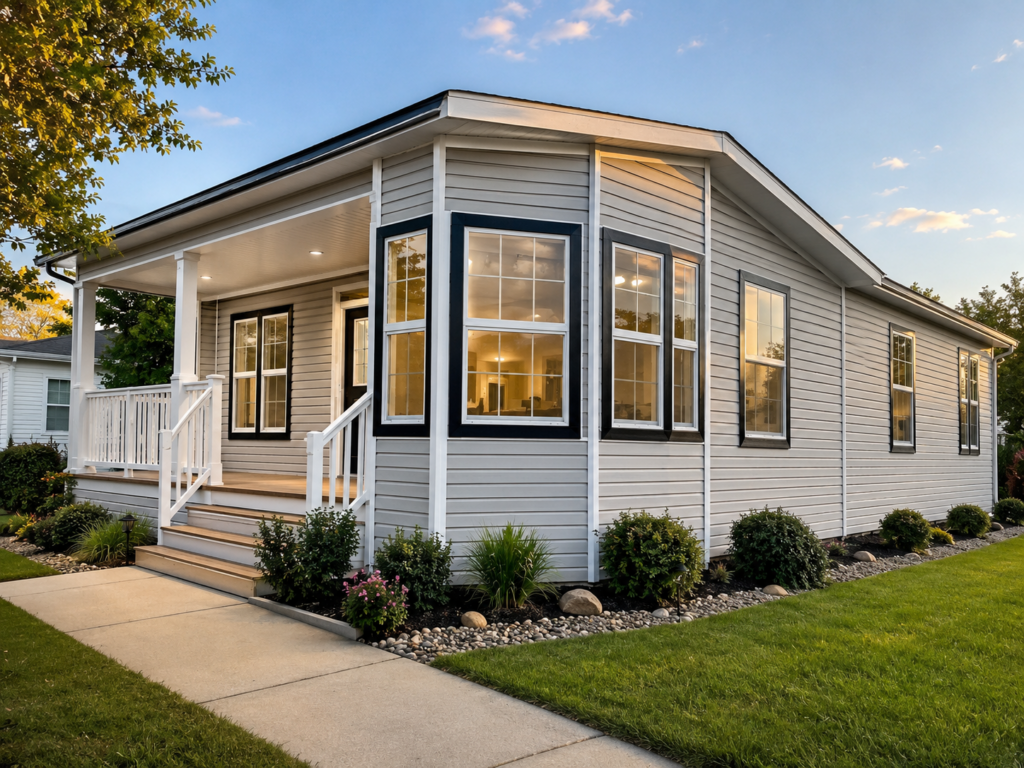
If you own a mobile or manufactured home, the conversation about exterior upgrades usually starts with siding and ends with the roof. Windows sit in the middle of that conversation and almost always get less attention than they deserve. That is a mistake. The right windows do more for the comfort, value, and curb appeal of a manufactured home than almost any other upgrade in the same price range. Click on Deck Guardian for more information.
For decades, mobile homes were built with single-pane aluminum-framed windows because they were cheap and lightweight. Those windows leak, fog, and warp. They also lose heat at a rate that can push your monthly heating bill to embarrassing places. Replacing them is one of the smartest renovation decisions you can make, and the material to look at first is modern vinyl.
Why Vinyl Wins for Manufactured Homes
Vinyl is the dominant frame material in the residential market for good reason. It does not corrode like aluminum. It does not rot like older wood. It does not require sanding, painting, or sealing. And modern multi-chamber vinyl profiles deliver thermal performance that matches or exceeds fiberglass at a meaningfully lower price.
For mobile and manufactured homes specifically, vinyl has additional advantages. The frames are lightweight, which matters when you are working with the more delicate structural envelope of a manufactured home. The profiles can be sized to fit non-standard window openings without major reframing. And the welded corners on quality vinyl assemblies handle the small flexing and shifting that older mobile home walls do better than rigid frames.
If you want to see how a serious vinyl window line is engineered for North American climates, the vinyl product line from Canadian manufacturer Optima Windows & Doors is a useful reference point. Their Optima Series shows what current frame profiles, multi-chamber design, and energy performance standards look like in practice, and the engineering choices are documented well enough to use as a comparison baseline when you are quoting other suppliers.
What to Look For
Not all vinyl windows are created equal. The price spread between a budget mobile home replacement window and a properly engineered vinyl assembly is substantial, and the performance gap is even larger. Three things matter most.
First, multi-chamber profiles. The cheapest vinyl frames are essentially hollow extrusions. Better frames have multiple internal chambers that create insulating air pockets and reinforce the structural integrity of the frame against thermal expansion. More chambers means better thermal performance and longer life.
Second, welded corners. Look for fully welded corner construction rather than mechanical fasteners. Welded joints will not separate over thousands of thermal cycles, which is a real concern in mobile homes that flex more than stick-built houses.
Third, glazing. Double-pane glass with a low-emissivity coating and argon gas fill is the minimum standard worth considering. Triple-pane is the upgrade if you live in a cold climate or if your home has rooms that have always been too cold no matter what you do.
The Energy Math
Energy savings from a window upgrade depend on your starting point. If you are replacing original single-pane aluminum windows in a 1980s manufactured home, the difference is dramatic. The U.S. Department of Energy estimates that heat loss through windows accounts for 25 to 30 percent of residential heating and cooling energy use, and owners of older mobile homes commonly report 20 to 30 percent reductions in heating costs after a full window replacement. The comfort difference is even more noticeable than the bill.
The payback period for a mid-tier vinyl upgrade typically runs eight to 12 years on energy savings alone. That number does not include the increase in resale value, the elimination of condensation problems, or the reduction in noise from outside. Once you factor those in, the math gets much more favorable.
Installation Matters More Than You Think
A great window installed badly will underperform a mid-tier window installed correctly. This is especially true on mobile homes, where the wall construction is thinner and the air sealing details require more care than on a stick-built house.
Look for installers who use proper flashing tape, expanding foam at the perimeter, and who take the time to shim and level each unit. Ask how they handle the existing wall finish, whether they wrap the new opening, and how they finish the interior trim. A good installer will have answers ready. A bad one will get vague.
The Bottom Line
Modern vinyl windows are not the cheapest exterior upgrade you can make on a mobile or manufactured home, but they are one of the most consequential. They lower your bills, they make your home quieter, they eliminate the fogging and condensation problems that plagued the original windows, and they add real resale value.
If you are planning exterior work this season, put windows higher on the list. The siding and the roof get the visual attention, but the windows are what you will actually feel every day for the next 20 years.
More Stories
How to Clean Household Spills Safely and Effectively
How to Make a Small Living Room More Comfortable After Dark
How a New Deck Adds Value to Your Home