
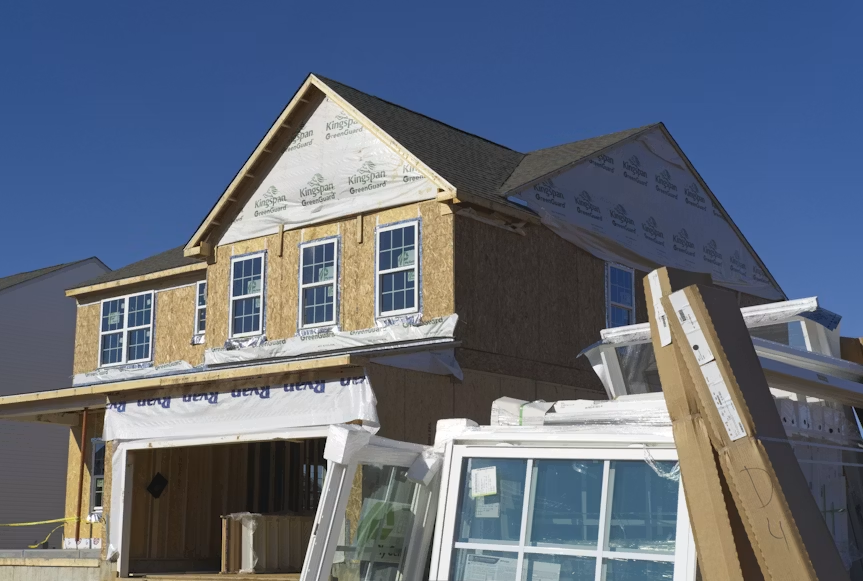
Site preparation is one of the most overlooked (but vitally important) parts of construction.
Prepare the ground before you bolt that first beam or pour your first foundation. If you don't, the job site will cost you dearly later.
Here's the problem:
Builders dive in too deep without proper preparation. By the time things go wrong it is often too costly to go back and correct.
The good news? Proper site prep is achievable with the right people on the project — starting with informed consulting engineers.
Let's break it down…
What you’ll pick up:
Why Site Prep Can Make or Break a Project
Site preparation is where good projects are won and lost.
Do it right and everything down stream runs smoother, cheaper and safer. Do it wrong and you open yourself up to cost blowouts, delays and in extreme cases — structural failure.
Consider the statistics. McKinsey found that large capital projects take 20% longer and as much as 80% over budget and one of the leading causes is unexpected site conditions.
That's not a small margin. That's the kind of overrun that kills projects.
That's where good civil engineering comes in. Qualified consulting engineers will map out the site preparation process in advance of any earthworks commencing.
They typically handle:
One of the quickest ways to bust a budget on any project is by eliminating this front end planning.
The Ground Conditions That Cause the Most Problems
Here's something a lot of people don't realise…
Site soil has many jobs. It needs to support the structure, allow for proper drainage, and remain stable. When one of these factors falters, the structure above suffers.
Some of the most common ground issues include:
Research reveals approximately 9 out of 10 construction projects exceed their budget, with unforeseen ground conditions being one of the leading causes.
The 5 Site Prep Steps Every Project Needs
Now for the meat and potatoes. Here are the five site prep steps that should take place prior to installation of a structure — sequenced correctly.
Site Survey and Boundary Check
The first step is always the survey.
The land surveyed by a licensed surveyor to determine where the exact boundaries of the property are located. This ensures the building will be placed where it should be and meets setback requirements. This step also identifies:
The last thing you want is to build something and then realize it's in the wrong place.
Geotechnical Soil Investigation
Next comes the soil testing.
The geotechnical engineer drills boreholes at various locations around the site to see what's really underneath. He tests load bearing capacity, moisture level and type of soil at various depths.
This report lays the foundation (badum tss) for every decision you make after it. Here is what you need to tell your design team:
Never bypass this step. Soil not tested can lead to costly foundation failures.
Site Clearing and Grading
Once the reports are in, the physical work starts.
Site clearing includes removing:
Once cleared, the lot is graded. This produces a flat area to work with when beginning construction. Grading also channels water away from where the house will be. This helps prevent future issues with stability.
Utility Connections
Before the foundation goes in, all underground utilities need to be planned and installed.
That includes:
Utility trenches need to be dug before pouring the slab. It is costly, messy, and disruptive to retrofit utilities.
Foundation Preparation
The final site prep step is preparing the foundation area itself.
It can mean tamping down the soil, adding a layer of gravel, putting down a vapour barrier or laying reinforcement. It all depends on what was required in your geotechnical report.
So this is where months (or years) of planning finally come together … or don't.
Why Consulting Engineers Are Worth Every Penny
Here's the truth:
One of the worst things any owner can do is eliminate consulting engineers to save money.
Top notch consulting engineers are worth their weight in gold. They have years of experience under their belts. They know where to look and what pitfalls to avoid. They can save projects millions of dollars.
Consulting engineers help with:
Consulting engineers are the safety net for your project. Without them, you're just crossing your fingers.
Bringing It All Together
Site prep work isn't glamorous but it is the most crucial step in installing any new build.
Without foundation testing, everything else – foundation, framing, finishes – is built on sand. Literally.
To recap the essentials:
Do these five things and the likelihood of unpleasant surprises plummets. Neglect them and your project is at risk of joining that 9-out-of-10 projects statistic that overshoot budget.
The message is simple: good site prep saves time, money, and headaches. Every time.
More Stories
How to Clean Household Spills Safely and Effectively
How to Make a Small Living Room More Comfortable After Dark
How a New Deck Adds Value to Your Home