

Walk through almost any newer neighborhood in Edmonton, and you’ll notice something interesting.
Twenty years ago, triple-pane windows were often presented as a premium upgrade. Today, they’re becoming increasingly common in both new construction and replacement projects. Many homeowners now assume triple-pane is automatically the better choice.
The reality is more nuanced.
Double-pane and triple-pane windows can both perform exceptionally well when properly selected and installed. The better option depends on the home, the homeowner’s priorities, and how the property is used throughout the year.
The conversation has also changed. Homeowners are asking different questions than they did a decade ago. Instead of focusing exclusively on appearance, they’re paying closer attention to comfort, energy efficiency, condensation control, and long-term value.
At Canglow Windows & Doors, conversations with homeowners increasingly focus on understanding how people live in their homes rather than simply recommending the highest-performing product available.
In a city like Edmonton, those considerations matter.
Why More Homeowners Are Looking at Triple-Pane Windows
Anyone who has spent a winter in Alberta understands why thermal performance receives so much attention.
A cold January evening quickly reveals the weak points in a home. Rooms near older windows may feel cooler. Condensation becomes more noticeable. Certain seating areas become less comfortable during extreme weather.
This is often where homeowners begin exploring window replacement options.
Many are surprised to learn that the biggest difference isn’t always visible from the outside. It becomes apparent while living in the home.
A warmer room.
Less noticeable drafts.
More consistent temperatures.
Reduced condensation during cold weather.
These are the benefits that frequently drive interest in triple-pane systems.
The Comfort Factor
One of the most common misconceptions surrounding replacement windows is that the decision should be based entirely on energy savings.
In practice, comfort often becomes the deciding factor.
Ask homeowners who recently upgraded their windows what changed the most. Many won’t start by talking about utility bills.
Instead, they’ll mention that the family room feels more comfortable.
The chair beside the large picture window is no longer the coldest spot in the house.
The upstairs bedroom maintains a more consistent temperature.
The house simply feels different.
Those improvements can be difficult to quantify, yet they are often the benefits homeowners appreciate most.
What About Energy Savings?
This is usually the first question people ask.
The answer depends on several factors, including the age of the existing windows, insulation levels, air sealing, home orientation, and heating habits.

According to Natural Resources Canada, space heating remains one of the largest energy uses in Canadian homes. Reducing heat loss through the building envelope can contribute to lower energy consumption, although windows are only one part of that equation.
A homeowner replacing twenty-five-year-old windows will likely notice greater improvements than someone upgrading relatively new products.
The relationship between performance and savings is not always linear.
Spending more does not automatically result in proportionally higher savings.
That is why many homeowners focus on the overall combination of comfort, durability, and efficiency rather than attempting to calculate a precise payback period.
Why Edmonton Is Different
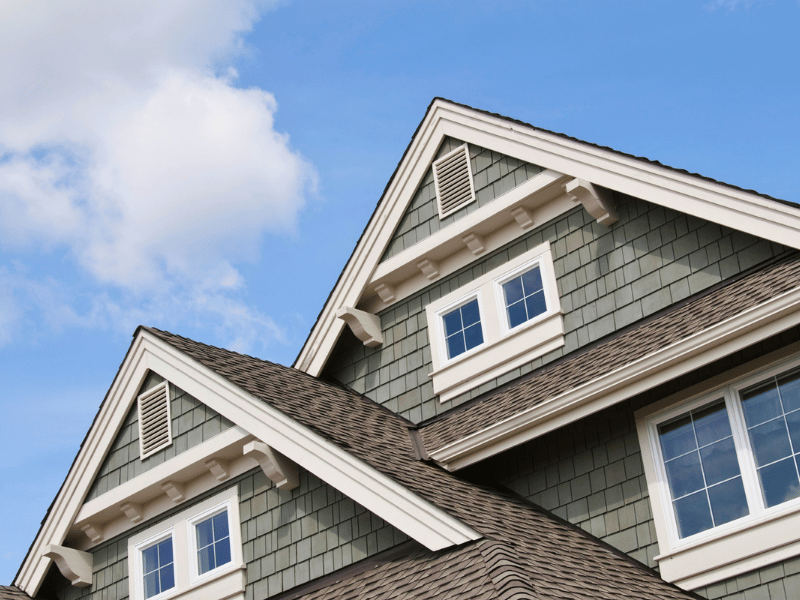
Window decisions in Edmonton are often different than those made in milder parts of the country.
A homeowner in Victoria may prioritize different features than a homeowner in Edmonton, Saskatoon, Winnipeg, or Ottawa.
Long heating seasons place greater demands on windows.
Cold-climate homes spend months managing significant temperature differences between indoor and outdoor environments.
These conditions often make thermal performance more noticeable.
A window that performs adequately in a moderate climate may feel very different during an Alberta winter.
This helps explain why triple-pane products have become increasingly popular across Western Canada.
When Double-Pane Still Makes Sense
The discussion around window performance sometimes creates the impression that double-pane windows are outdated.
That simply isn’t true.
Modern double-pane systems have improved significantly over the last two decades. Advanced Low-E coatings, argon gas fills, improved spacer technologies, and better frame designs have narrowed the gap considerably.
For many homeowners, a high-quality double-pane window may provide exactly the performance they need.
Budget also plays a role.
Triple-pane windows typically cost more than comparable double-pane products. Depending on the project, that difference can range from roughly 10% to 25%.
For some homeowners, allocating those funds toward additional insulation, air sealing, or other efficiency improvements may provide greater overall value.
The best choice is not always the product with the highest specification.
It’s the product that aligns best with the home’s needs and the homeowner’s goals.
Condensation and Interior Glass Temperatures
One area where triple-pane windows often demonstrate a noticeable advantage is condensation control.
During winter, interior glass surfaces can become significantly colder than the surrounding room.
When warm indoor air comes into contact with those surfaces, moisture may form.
Most homeowners have experienced this at some point.
While indoor humidity levels play an important role, warmer interior glass surfaces generally reduce the likelihood of condensation.
This can be particularly beneficial in colder regions where winter temperatures remain below freezing for extended periods.
For many homeowners, less condensation means less maintenance and fewer concerns about moisture-related issues around window openings.
Looking Beyond the Sales Pitch
One mistake homeowners sometimes make is focusing exclusively on specifications.
Window shopping can quickly become a comparison of numbers.
U-values.
Solar Heat Gain Coefficients.
Energy ratings.
Performance metrics are important, but they do not tell the entire story.
Installation quality matters.
Home design matters.
Climate matters.
Occupancy patterns matter.
A well-installed double-pane window will almost always outperform a poorly installed triple-pane product.
That reality often gets lost in marketing conversations.
A Long-Term Perspective
Most homeowners replace windows once, perhaps twice, during their time in a property.
The decision deserves careful consideration.
Rather than asking whether triple-pane windows are universally better, a more useful question is whether they are better for a specific home.
For some Edmonton homeowners, the answer will be yes.
For others, a modern double-pane system may represent the most practical balance of performance and cost.
The best window is not always the most expensive one.
It’s the one that delivers the right combination of comfort, efficiency, durability, and value over the long term.
The Bottom Line
The gap between double-pane and triple-pane windows is not as simple as many homeowners expect.
Both technologies have a place in today’s housing market.
Triple-pane windows often provide meaningful comfort benefits in colder climates such as Edmonton, particularly for homeowners planning to remain in their homes for many years.
At the same time, modern double-pane products continue to offer excellent performance and may represent a sensible solution for many projects.
The most successful decisions usually come from evaluating the home as a whole rather than focusing on a single specification.
When viewed through that lens, the conversation becomes less about choosing the “best” window and more about choosing the right window.
More Stories
10 Best Tree Service Companies In Nashville, Tennessee
Managing Roof Runoff Without Damaging Your Landscape
The rising cost of construction litigation and how to avoid it