

When a major appliance stops working, it can disrupt everything from school-day routines to work-from-home schedules. Families in Atlanta have to deal with traffic, activities, and rising costs every day. Choosing whether to fix or replace a broken appliance is not just a technical issue; it’s a choice that affects their quality of life.
In many cases, homeowners first look for local help, comparing options in their neighborhood or nearby communities like Brookhaven and reviewing resources such as https://nobleappliancerepairatlanta.com/appliance-repair-brookhaven/ to understand typical repair issues and timelines. But even with information at hand, it can still be difficult to know whether fixing the appliance is truly worth it, or if putting that money toward a new unit will be wiser over the next several years.
The “50 Percent Rule”: A Simple Starting Point
A widely used guideline is the “50 percent rule.” If an appliance is more than halfway through its expected life span and the repair will cost more than 50 percent of the price of a comparable new model, replacement usually makes better financial sense. The rule will not answer every case, but it provides a clear starting point.
For example, if your 10-year-old dishwasher needs a major pump replacement that costs hundreds of dollars, that money may be better invested in a newer, more efficient unit. On the other hand, a three-year-old refrigerator with a minor thermostat problem is often a good candidate for repair, especially if it has performed well up to this point.
How Old Is the Appliance?
One of the easiest things to look at is age. Different brands, uses, and maintenance can affect how long things survive, but many families use these broad ranges: refrigerators, freezers, and dishwashers last about 10 to 15 years, while washers, dryers, ovens, and ranges last about 10 to 13 years. If your appliance is near or beyond these benchmarks, it is wise to think carefully before approving an expensive or complicated repair. An aging unit might still run after one fix, but other parts may soon follow.
Energy Efficiency and Atlanta Utility Bills
In a hot, humid climate like Atlanta’s, appliances such as air conditioners and refrigerators work especially hard. Older models usually consume more electricity and water than current high-efficiency designs. When you are weighing repair versus replacement, it helps to consider not only the upfront cost, but also the monthly effect on your utility bills.
If you have noticed that your power or water bills have climbed and you are relying on older appliances, a breakdown can be a signal to look closely at efficiency ratings and the total cost of keeping that unit in service.
Safety and Reliability Concerns
Cost and efficiency matter, but safety comes first. Persistent burning smells, visible sparks, or breakers that trip repeatedly are all red flags. Gas appliances that show soot, yellow or uneven flames, or signs of poor ventilation require immediate attention.
If a technician explains that the unit has multiple failing components or that safety standards have changed since it was installed, replacement may be the more responsible choice even if a repair is technically possible. Peace of mind is difficult to put a price on, especially in a busy household.
Track Record: One Breakdown or Many?
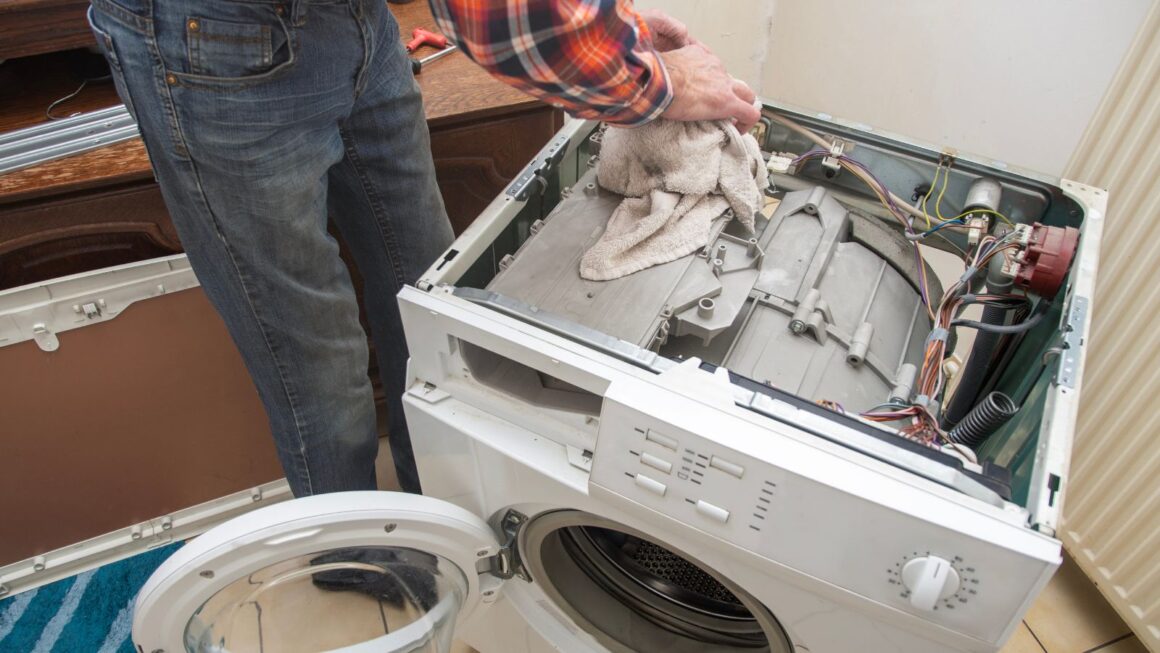
A single issue after years of trouble-free service is very different from an appliance that seems to fail every few months. Think about how often you have already called for service. Frequent breakdowns may indicate hidden wear in other parts, design weaknesses, or simply heavy use in a large family.
If you have already invested in several repairs and are now facing another significant bill, it can make sense to pause and ask whether you are simply delaying the inevitable. In that situation, replacement can feel less like a luxury and more like a long-term fix that removes ongoing stress.
Warranties, Service Plans, and Home Coverage
Before you decide, check whether the appliance is still under a manufacturer’s warranty, an extended service plan, or a home warranty policy. These can dramatically reduce what you pay out of pocket or, in some cases, contribute toward a replacement.
Two quick questions can clarify your options:
- Is the failed part – not just labor – covered under any current warranty or plan?
- Are there limits on the number or value of repairs for a single appliance?
If most of the repair cost is covered and the appliance is not yet near the end of its expected life, repairing it is often the sensible path. If coverage has expired and the unit is older, the same repair may be much harder to justify.
Do Features and Capacity Still Fit Your Life?
Families in the Atlanta area often see their needs change over time. A compact washer and dryer that worked well for two adults may be overwhelmed once children arrive. Likewise, an older refrigerator might lack the flexible storage, filtration, or temperature control that supports cooking at home more frequently.
When something breaks, it is natural to want it simply working again. But it can also be a good time to ask whether the appliance still matches your lifestyle. If you have been wishing for more capacity, quieter operation in an open-plan home, or modern conveniences like smart controls or energy-saving modes, then a breakdown can become an opportunity to rethink what you really need.
When to Call a Professional for Guidance
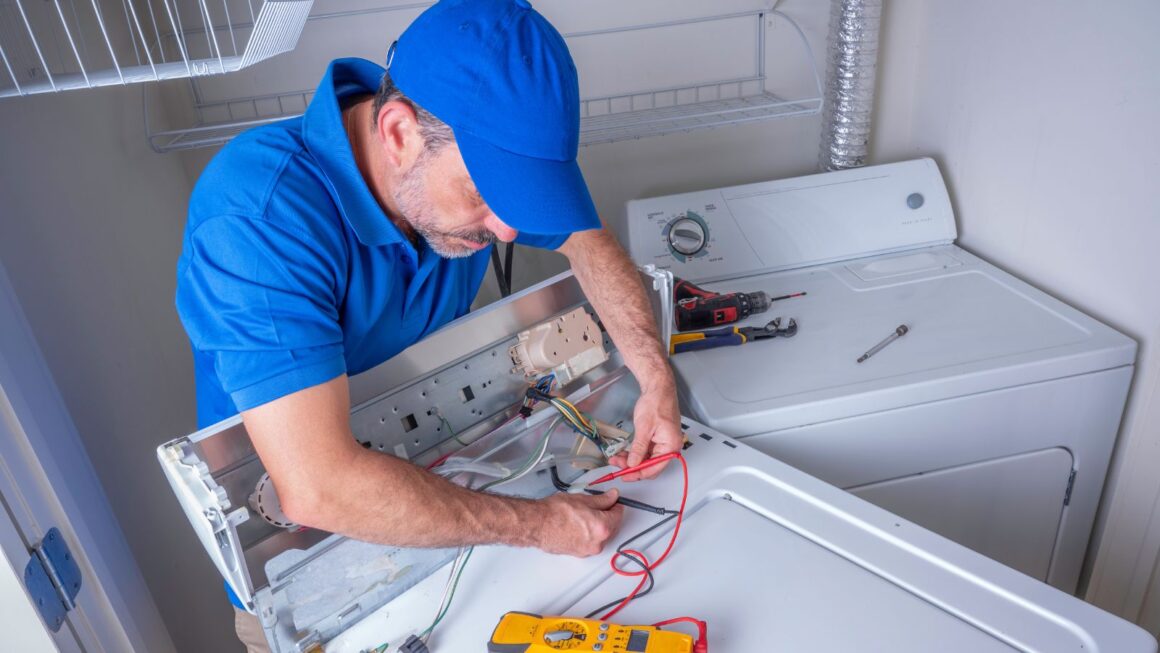
Guidelines and rules of thumb are helpful, but every situation has its specifics. A professional technician can diagnose the actual problem, estimate the realistic cost of repair, and point out whether other components are close to failure. They can also indicate how long they would expect the unit to continue operating after a successful fix.
Ask the technician to explain the cause of the breakdown, whether it appears to be a one-time failure or a symptom of aging, and whether there are safety concerns. Combine that insight with what you know about the age of the appliance, the cost of a comparable replacement, your utility bills, and your household’s needs.
Making a Thoughtful Decision for Your Atlanta Home
When it comes to fixing or replacing a malfunctioning appliance, there is rarely a single “right” answer for families in Atlanta. The ideal option is the one that fits your budget, safety needs, time, and goals for your home in the long run. Starting with a simple checklist – age, cost to repair, cost to replace, efficiency, and reliability – can help turn a stressful breakdown into a clear, deliberate decision.
By taking a step-by-step approach, you can choose the option that supports your daily routine and financial goals, whether you live downtown, in a nearby suburb, or in one of the growing communities just outside the perimeter, including residents in Chamblee.
More Stories
Introduction to Dragon Slots Casino
Sustainable Style Starts Here: A Furniture Store in New Zealand Changing the Game
Is Phuket or Hua Hin the Right Choice for your next villa in Thailand?