

Modern art can feel fresh and approachable at the same time. Museums like MoMA and Tate Modern show that art isn’t one look or mood but a wide range of styles, materials and ideas. There’s no need for expert knowledge or large rooms to bring some of that spirit into your home. Here are five ways to include modern art in your home.
Start with one focal piece
Curators often use the power of a single artwork to anchor a room (in both homes and museums and galleries). At home, this approach works well in living rooms and dining areas. A larger painting or photographic print can become the visual center of the room, with furniture arranged around it.
Look for works with clear composition. You might look to artists like Ellsworth Kelly and Agnes Martin to see how minimal touches of colour can shape a space.
Or you might prefer a more striking, maximalist route. Check works by Salvador Dali to see how a wider range of colors might influence the mood of a room.
Placement, as well as the selection of a piece, matters too. A reliable approach is to hang the artwork at eye level when standing, not pushed too high toward the ceiling. Leave enough breathing room around the piece so it doesn’t compete with shelves or lamps.
Mix materials and dimensions
Modern art collections usually show that modern art isn’t limited to paint on canvas. Sculpture, mixed media and textiles are all widespread. For example, a MoMA exhibition of Ruth Asawa’s work included wire sculptures, drawings, paintings, and bronze casts. Meanwhile, an exhibition on the Nakagin Capsule Tower used drawings, models, photographs, and films to show how the project developed.
At home, mixing materials adds depth and keeps rooms from feeling flat. You could pair a framed print with a ceramic piece on a shelf.
Think about scale as well. Wall mounted art can combine with freestanding objects for more interest. A tall sculpture near a window could echo the vertical lines in the room’s architecture. Low profile artworks work well above benches and side tables.
Having a browse through specialized collections can help you find these varied forms. For example, Israeli Center of Judaica (https://israelicenterofjudaica.com/) offers modern artworks and sculptural decor that blend design with cultural references, making it easier to introduce art that feels both modern and meaningful.
Build a small curated grouping
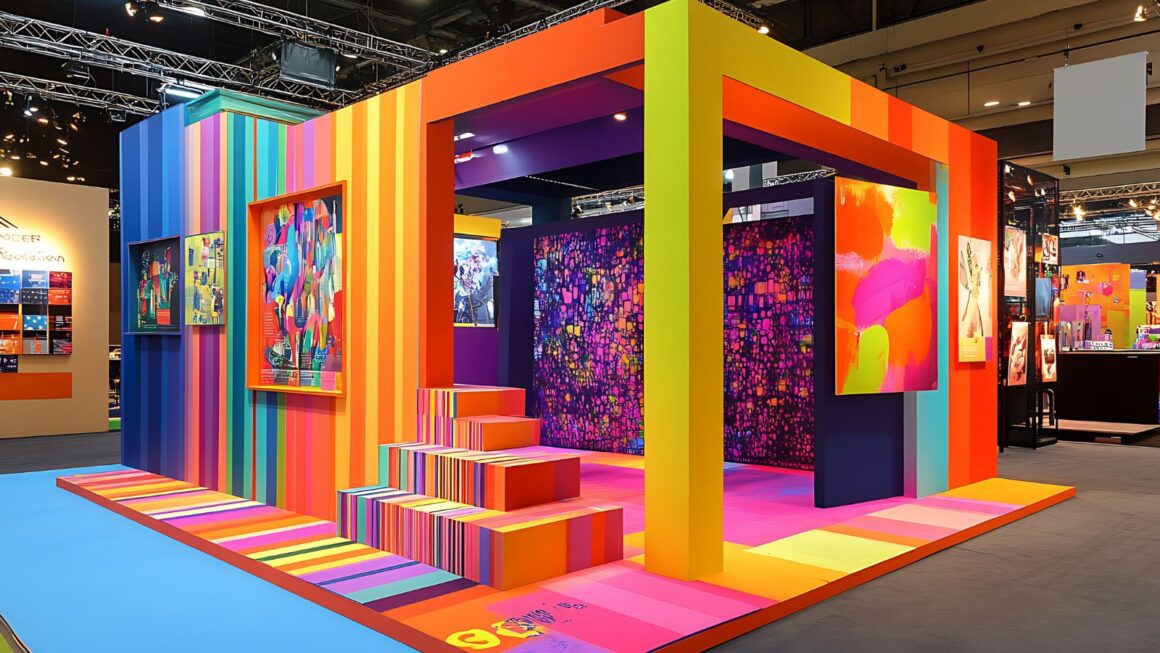
Tate Modern and other museums often show how multiple works can speak to each other when thoughtfully grouped. At home, a small collection of related pieces can be more impactful than a scattered assortment. Choose three to five works that share a connection – it could be a similar color range, technique or subject. You could include prints, drawings and small sculptures.
Lay the arrangement on the floor before hanging to test spacing and balance. Keep frames consistent if the art itself is varied, or mix frames when the works share a similar tone.
Use modern art to shape the atmosphere
Modern art is often about emotion and atmosphere. In bedrooms, choose calm compositions with muted palettes or repetitive forms that support rest. Abstract works with soft edges or subtle texture are often effective here.
In kitchens and dining rooms, brighter colors and graphic shapes can add some energy. Think of the bold forms seen in Pop Art or contemporary graphic design. Bathrooms and entryways might be best for experimental and playful works, since people experience them briefly but often. Art selection becomes easier when you think about how you want each room to feel rather than matching art strictly to furniture.
Let art interact with other objects
Allow art to interact with functional objects. A sculptural lamp, an artist designed rug and a hand glazed bowl can function as tools as well as pieces of art.
Display books about modern art where they can be seen and used. Stack them on coffee tables or open shelves to create casual visual interest. Rotate smaller artworks seasonally to keep spaces feeling fresh without constant redecorating. This approach treats art as something lived with, not protected behind formality.
Last word
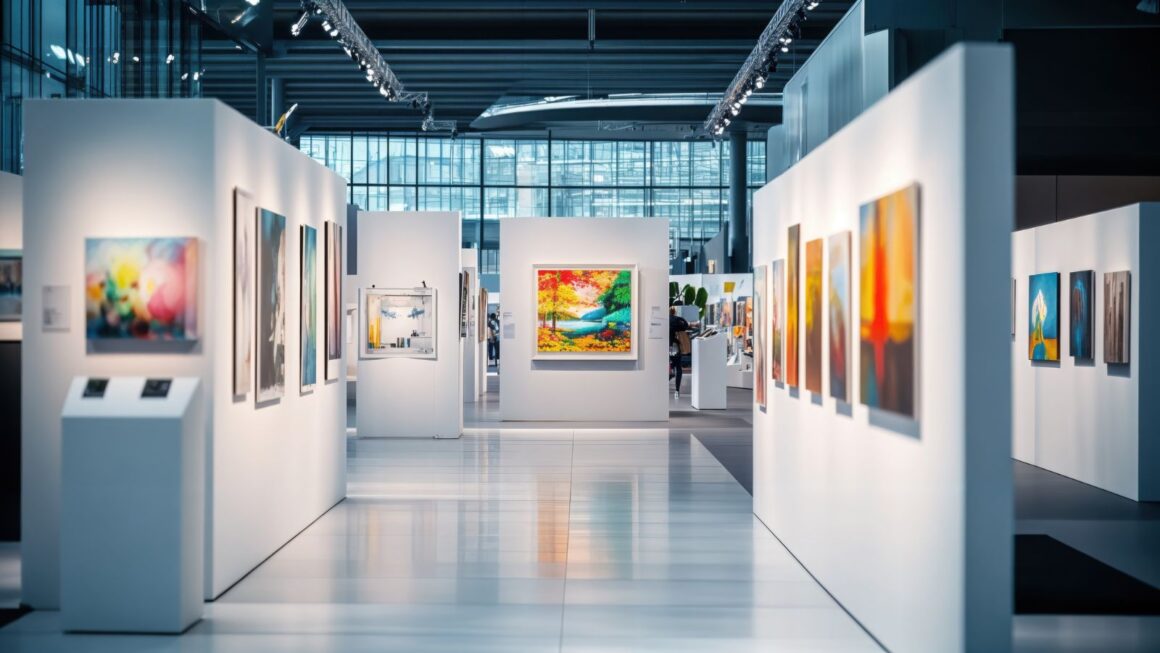
Including modern art in your home works best when guided by your curiosity and taste rather than rules. Museums show us that context, placement and intention matter as much as the artwork itself.
The more you live with art, the more it becomes part of how your space functions and how you experience it.
More Stories
10 Best Tree Service Companies In Nashville, Tennessee
Managing Roof Runoff Without Damaging Your Landscape
The rising cost of construction litigation and how to avoid it