
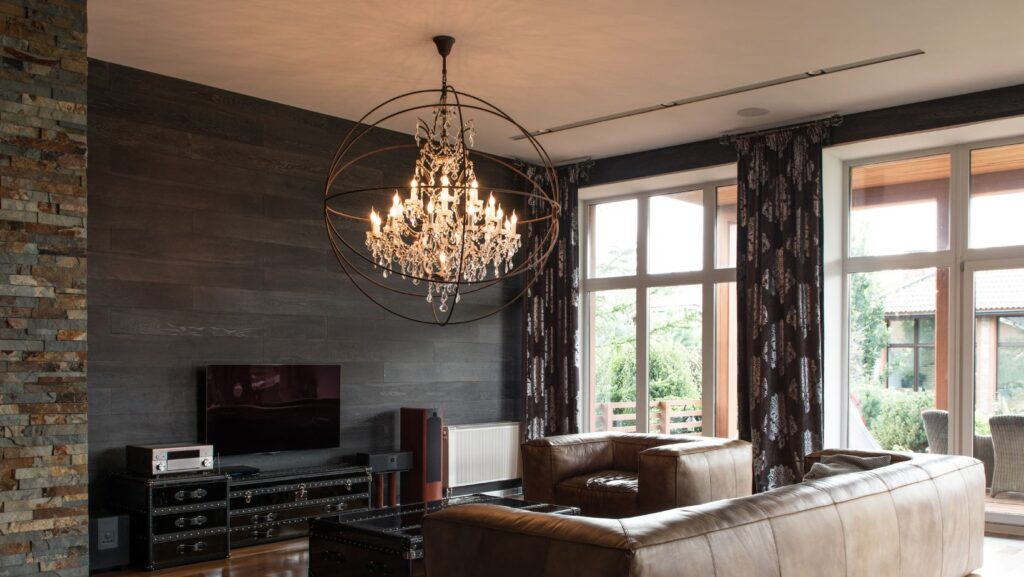
Converting a loft into a usable living space is one of the most effective ways to add value to your home. However, one common challenge homeowners face is how to bring ample daylight into these often dark and compact areas. Natural light not only enhances the aesthetics of the space but also contributes to a better mood and overall well-being. Here are some practical tips to maximize daylight in your loft conversion.
1. Choose the Right Windows
The choice of windows can significantly influence the amount of light that enters your loft. Opting for larger windows or strategically placed roof lights can make a noticeable difference. Roof windows, in particular, allow sunlight to flood in from above, illuminating even the most tucked-away parts of your attic.
If you’re exploring options, consider natural light solutions for loft spaces that include pitched roof windows, which not only add style but also function. These windows are designed to fit seamlessly into the slanted ceilings of lofts, ensuring you get the most out of your space and bringing in as much light as possible.
1.1 Window Placement
When it comes to window placement, think strategically. Positioning windows in a way that allows for cross-ventilation can help further enhance light. For instance, having multiple windows on opposite walls can improve airflow and brighten the space dramatically.
2. Consider Skylights
Skylights are an excellent addition to any loft conversion. Unlike traditional windows, skylights provide light from above and can make the room feel airy and expansive. There are various designs available, including operable skylights that you can open for ventilation, further improving the atmosphere in your loft.
2.1 Adjustable Skylights
Investing in adjustable skylights allows you to control the amount of light that enters the room throughout the day. You can let in soft morning light and still have the option to block it out during the late afternoon sun, preventing overheating.
3. Choose Lighter Materials
The materials you choose for floors, walls, and ceilings can either absorb or reflect light. Opting for lighter paint colours and furniture will help maximize the amount of natural light in the loft. Whites and soft pastels can brighten the space and create an illusion of a larger area.
3.1 Reflective Surfaces
Incorporating reflective surfaces, such as mirrors or glass, can also enhance sunlight movement. Positioning a large mirror across from a window can amplify the brightness in the room significantly.
4. Use Open Spaces Wisely
An open-plan loft can drastically improve light flow. Reducing walls or using partial dividers instead of full walls can allow light to travel freely throughout the space. Consider creating zones within the loft using furniture, rugs, or shelves that don’t obstruct light.
4.1 Multi-Functional Furniture
Choose multi-functional furniture that can serve as both practical items and decor. For example, a tall bookcase could allow light to filter through to lower spaces without compromising privacy or function.
5. Incorporate Glass Doors
If your loft is accessible from the rest of the house, consider using glass doors to connect the spaces. These doors allow natural light to pass between rooms, making your loft feel more integrated and spacious.
5.1 Sliding Doors
Sliding glass doors are particularly useful in compact areas where space is at a premium. They open up without requiring additional swing space, ensuring that natural light is always welcome.
6. Strategise Your Layout
Think about the layout of your loft and how it affects light. Rooms should be arranged to ensure that the most-used areas—living rooms, offices, or bedrooms—benefit from the greatest exposure to natural light. Avoid placing large pieces of furniture in front of windows, which can create shadows and block precious light from spreading.
6.1 Vertical Orientation
In smaller lofts, consider a vertical orientation for furniture and decor. Tall bookcases or even vertical gardens draw the eye upward, creating the illusion of height and making the space feel less cramped.
7. Opt for Light-Filtered Window Treatments
While it’s important to prevent glare and maintain privacy, heavy drapery can block a lot of light. Look for lighter, translucent fabrics that filter light without completely obscuring it. Sheer curtains or light fabric blinds can provide a good compromise.
7.1 Smart Blinds
Smart blinds that can be adjusted remotely allow you to control the amount of light throughout the day effortlessly. This can be particularly useful if your loft gets too hot, enabling you to maintain a comfortable temperature while still enjoying the sunlight.
Final Thoughts
Creating a bright, airy loft space involves thoughtful planning and a few well-considered design choices. Whether you’re selecting the right windows, using materials wisely, or arranging your layout to take advantage of natural light, the key is to be strategic. Not only will a well-lit loft conversion enhance your living experience, but it will also add to the value of your home.
By implementing these tips, you can transform your loft into a welcoming retreat filled with light, comfort, and style. Enjoy the transformation, and watch as your neglected attic evolves into a beautiful, bright space that you’ll love to spend time in.
More Stories
Planning a DIY Radiant Barrier Installation in Your Attic
How to keep your bathroom surfaces free from stubborn limescale
When Is a Temporary Roof Repair Useful, and When Is It Only Buying Time?