
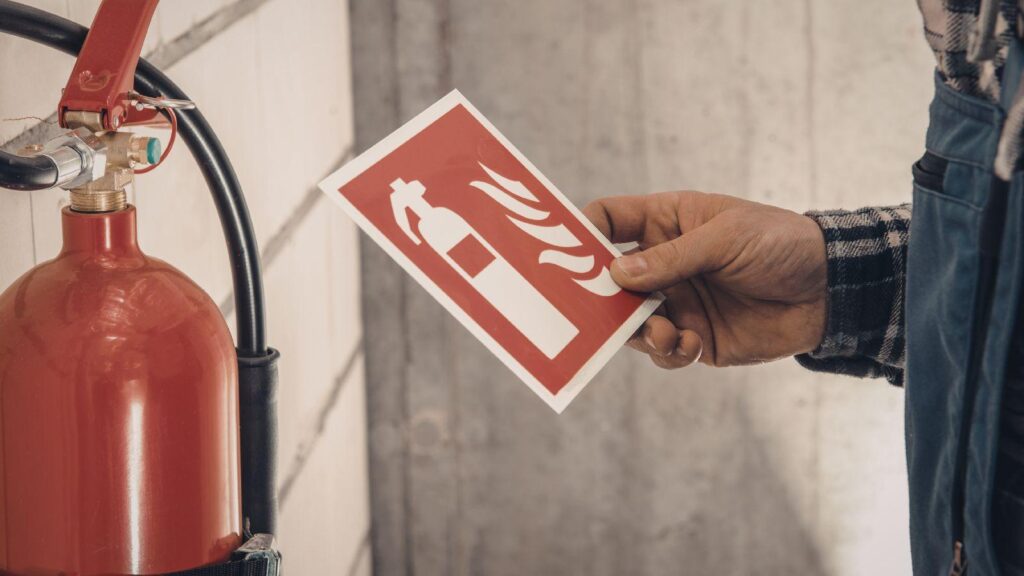
Welding and metal fabrication projects require precision, experience, and the right equipment to be completed safely. Whether working on residential construction, automotive repairs, or large industrial jobs, professionals regularly operate around sparks, heat, and flammable materials. Because of these risks, many tradespeople rely on durable flame retardant clothing while working in environments where heat exposure and fire hazards are part of daily operations.
Why Welding Environments Require Extra Safety Measures
Welding creates intense heat and flying sparks that can easily damage standard workwear or create dangerous conditions if proper precautions are not taken.
Common risks include:
The Role of Proper Workwear
Protective workwear plays an important role in reducing risk during welding and fabrication work.
Tradespeople typically prioritize clothing that offers:
Work environments are often physically demanding, so clothing needs to balance safety and practicality.
Common Industries That Use Flame Resistant Gear
While welding is one of the most obvious examples, many other industries rely on protective workwear as well.
These include:
Any environment involving heat, sparks, or combustible materials requires additional safety awareness.
Workshop Organization and Fire Prevention
Safety extends beyond clothing. Organized workspaces significantly reduce fire risks.
Many professionals focus on:
A clean and organized workshop helps prevent accidents before they happen.
Why Professional Tradespeople Prioritize Safety
Experienced contractors understand that preparation directly affects both efficiency and safety. Proper equipment and protective measures reduce interruptions, injuries, and costly mistakes.
In physically demanding industries, safety becomes part of the daily routine rather than an afterthought.
The Growing Focus on Workplace Standards
Modern construction and industrial industries place far greater emphasis on workplace safety than in previous decades.
This shift has encouraged:
As a result, professional standards across trade industries continue to improve.
Final Thoughts
Welding and fabrication work require both technical skill and careful preparation.
From organized workshops to reliable protective gear, prioritizing safety allows professionals to work more confidently and efficiently in demanding environments where heat and fire risks are unavoidable.
More Stories
The Best Time To Visit Amalfi Coast