
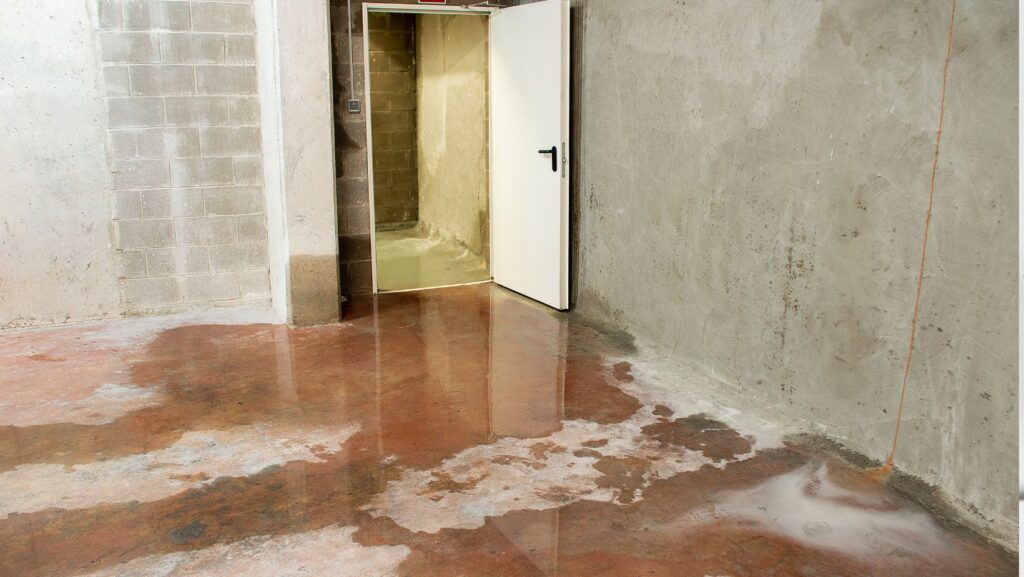
When water invades your home — whether from a burst pipe, leaking roof, or flood — your first instinct is usually to grab a towel or a fan and start drying things out. It feels proactive and immediate. But while that approach might make things look better on the surface, it often leaves hidden damage behind that quietly worsens over time. That’s why professional water damage services exist — to properly remove moisture, prevent mould, and restore materials safely before long-term problems take hold.
If you’ve ever wondered whether DIY drying really works, here’s what happens when it doesn’t — and what to do instead.
The Hidden Dangers of “Looks Dry Enough”
When a carpet, wall, or floor feels dry to the touch, it’s easy to assume the problem is solved. Unfortunately, most building materials are porous, meaning they can trap moisture deep below the surface — in insulation, timber, or subflooring.
That trapped moisture doesn’t just disappear. It evaporates slowly, creating the perfect environment for mould and bacteria to grow within 24 to 48 hours. Over time, this can lead to:
- Musty odours that don’t go away no matter how much you clean
- Warped flooring as wood expands and contracts unevenly
- Peeling paint or bubbling walls caused by moisture pushing through plaster
- Structural weakening as hidden rot sets in
The longer moisture lingers, the harder and more expensive it becomes to fix. So while DIY drying might seem like a money-saver, it often ends up costing far more in the long run.
Why Household Tools Aren’t Enough
It’s tempting to set up fans, open windows, or run a dehumidifier and assume the job’s done. But these methods only remove surface-level moisture. Professional-grade drying equipment is designed to draw out water from deep inside walls, subfloors, and hard-to-reach areas that regular airflow can’t reach.
Here’s what professionals use that most homeowners don’t have access to:
- Industrial air movers that create high-velocity airflow to speed up evaporation
- Desiccant and refrigerant dehumidifiers to extract moisture from the air efficiently
- Thermal imaging cameras to locate hidden damp spots behind walls or under flooring
- Moisture meters to measure how much water remains trapped in materials
Without these tools, you’re essentially guessing — and when it comes to water damage, guessing often means missing the problem entirely.
The Mould Factor: Your Home’s Silent Enemy
Mould thrives in damp, dark environments, and it doesn’t take much to get started. Even a small patch of leftover moisture can turn into a full-blown infestation within days. What makes this worse is that mould often grows where you can’t see it — behind skirting boards, inside walls, or under carpets.
Not only can it damage your home’s structure, but it also poses real health risks. Prolonged exposure can trigger allergies, respiratory issues, and in severe cases, more serious illnesses. Once mould takes hold, it’s incredibly difficult to remove without professional intervention.
The False Sense of Security
DIY drying often gives homeowners a false sense of completion. The visible water might be gone, the room may smell fine for now, and the floor feels dry — but deep within your walls or under your tiles, the damage continues.
Weeks later, you might notice:
- Cracks appearing in plaster or paint
- Wooden beams softening or sagging
- Unexplained humidity in one area of the home
- Electrical faults or corrosion in wiring exposed to moisture
These issues can appear slowly and without warning, turning what was once a small cleanup job into a major restoration project.
What Professionals Do Differently
Professional restoration specialists don’t just dry surfaces — they measure, monitor, and restore. The process starts with a detailed inspection using advanced moisture-detection tools to locate hidden dampness.
Then, they create a tailored drying plan that may include:
- Controlled airflow patterns for even drying
- Dehumidification to prevent secondary damage
- Antimicrobial treatments to stop mould before it starts
- Continuous monitoring to ensure all moisture is removed
Once drying is complete, they’ll verify that every material — from your walls to your subfloor — meets safe moisture levels before any repairs begin.
Prevention Is Always Better (and Cheaper)
You can’t always prevent water damage, but you can minimise its impact with a little preparation:
- Regularly check gutters, roof flashing, and plumbing connections for leaks.
- Store important documents and electronics above ground level in flood-prone areas.
- Install water leak sensors near appliances and under sinks.
- Keep your home’s humidity levels in check with a quality dehumidifier.
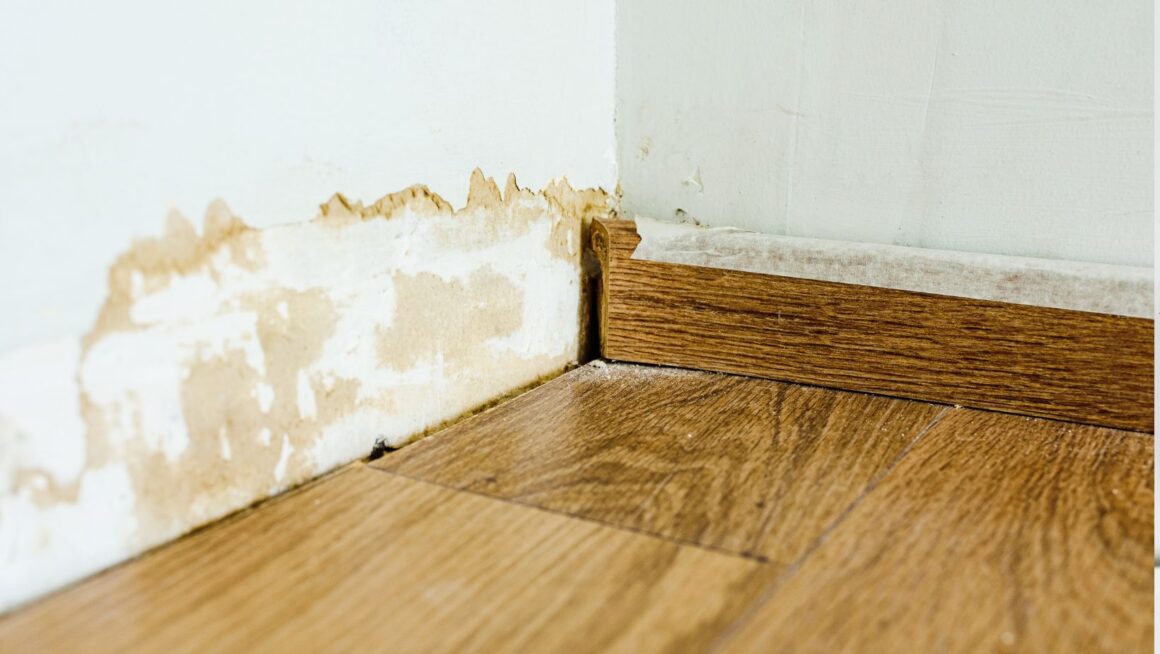
And if a leak or flood does happen, act quickly. The first 24 hours are crucial — call professionals immediately rather than trying to handle it all yourself. The faster they can start, the better the outcome (and the lower the cost).
When in Doubt, Get It Checked
Even if you’ve already cleaned up after a leak, it’s worth having an inspection to make sure everything’s truly dry. Professionals can scan your home using non-invasive tools and let you know if hidden moisture remains.
DIY efforts might seem quicker and cheaper, but when it comes to water damage, they often create more problems than they solve. Calling in experts ensures the job’s done right — protecting your home, your health, and your peace of mind.
Sometimes, it’s not about how fast you can clean up — it’s about how thoroughly you do it.
More Stories
Alexousa104: A Comprehensive Overview
Compact Gadgets for Small Apartments: When Every Square Meter Counts
Chain Break Bridging Loans: Key to Seamless Home Purchasing