
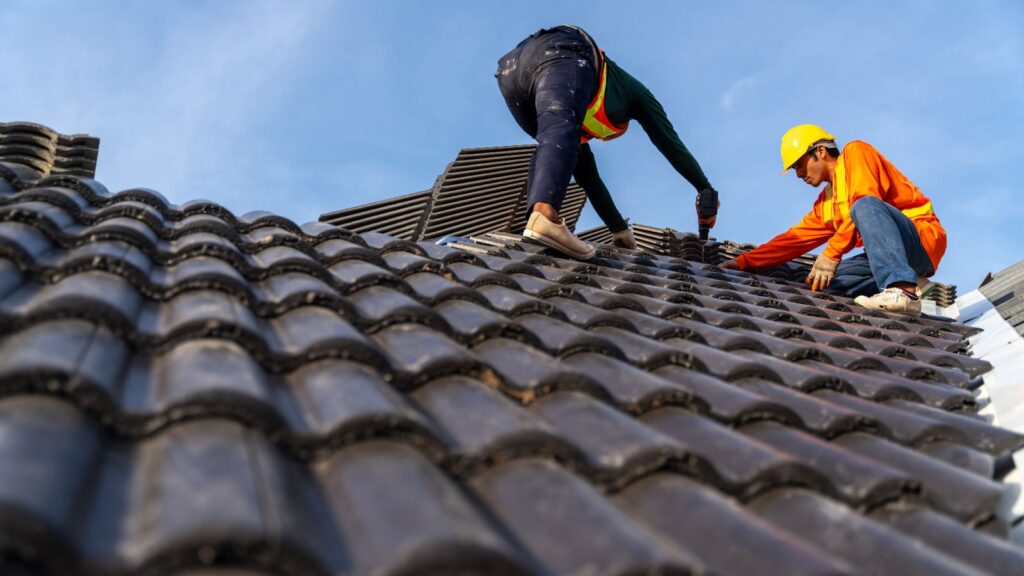
A roof problem does not always appear at a convenient moment. A leak may start during a storm, shingles can come loose when more rain is expected, or damage may be discovered when a full repair cannot be completed immediately.
In situations like these, temporary measures can help limit further exposure until the roof can be properly inspected and repaired. The important distinction is understanding what a temporary repair is meant to do. It can stabilize a problem for a short period, but it does not automatically correct the condition that caused the damage.
Knowing the difference can prevent an emergency measure from quietly becoming a long-term substitute for necessary work.
What Is a Temporary Roof Repair?
A temporary repair is a short-term measure used to reduce immediate water entry or protect a damaged section until permanent work can be completed.
The exact approach depends on the problem. Storm-damaged areas may need temporary covering, while a small exposed section may require another form of stabilization.
The goal is to protect the building while there is time to inspect the damage, obtain materials, coordinate work, or wait for conditions that allow a proper repair.
Temporary Work Makes Sense During Active Weather
Roofing work depends heavily on safe working conditions.
If wind, rain, or another weather event makes a complete repair impractical, preventing additional water entry may become the first priority.
A temporary measure can protect the interior while permanent work is scheduled.
Safety Comes Before Speed
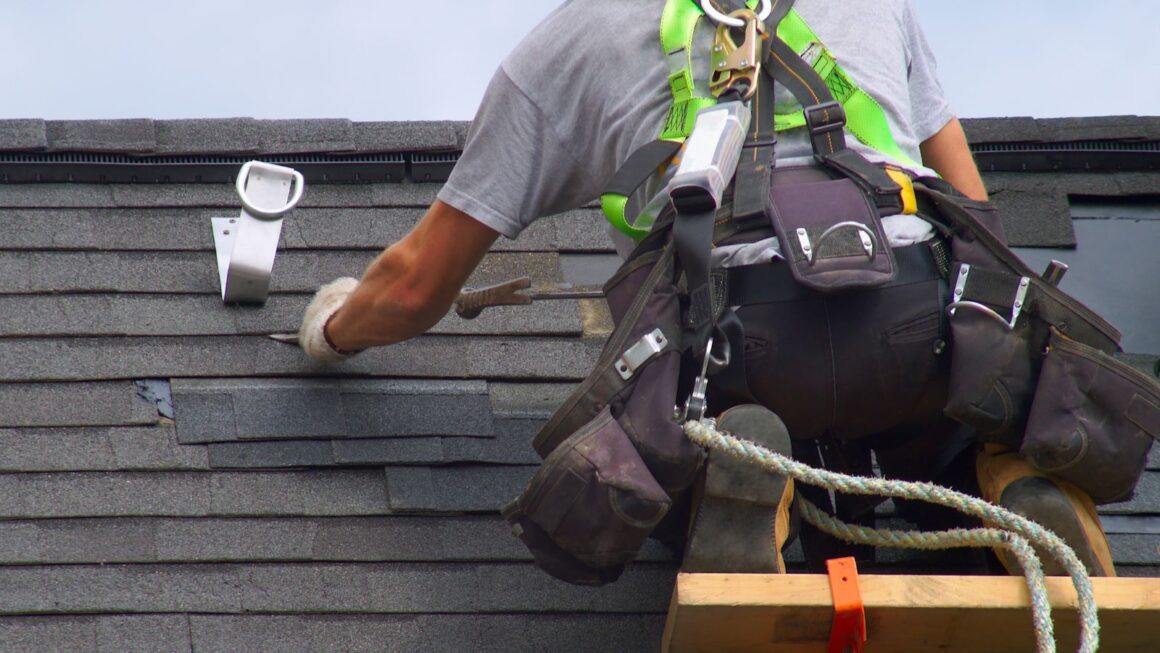
Homeowners should not climb onto a wet, steep, storm-damaged, or unfamiliar roof to attempt a quick fix.
Roof conditions that already require repair may create additional hazards. Ground-level observations, attic checks where safely accessible, and photographs can provide useful information without requiring a risky climb.
Storm Damage May Need Immediate Stabilization
Strong winds and falling debris can remove or damage roofing materials quickly.
RoofSource One currently handles roof repair for leaks, missing shingles, damaged materials, and general wear, and it evaluates whether a property needs repair, maintenance, or a larger roofing project.
If a storm leaves part of the roof exposed, Expert roof repairs may begin with protecting that area before the final repair scope can be determined.
This is especially useful when additional rain is expected or replacement materials are not immediately available.
A Temporary Fix Still Needs an Inspection
Stopping visible water is not the same as understanding why the leak occurred.
Water may enter through damaged shingles, flashing, a penetration, a roof edge, or another detail. It can also travel along decking or framing before appearing on a ceiling.
Once the immediate problem is controlled, the affected section should be examined to identify the source.
The Interior Stain Is Only a Clue
A wet spot on drywall does not necessarily identify the roof entry point.
Repairing only the area directly above the stain can miss the actual cause. A proper inspection may need to consider surrounding shingles, flashing, vents, valleys, drainage areas, and accessible attic conditions.
Temporary Repairs Are Useful When Materials Are Delayed
Some repairs require a specific roofing product or component.
If the correct material is not immediately available, a short-term measure may be preferable to installing an unsuitable replacement simply because it can be sourced quickly.
This can happen with older roofing materials, specialty components, flashing details, or products that need to match an existing system.
The temporary work gives the contractor time to obtain appropriate materials without leaving the roof completely exposed.
Repeated Temporary Patches Are a Warning Sign
A temporary repair becomes a problem when homeowners keep renewing it instead of addressing the underlying condition.
If the same area requires patching after each storm, something more than short-term stabilization is probably needed.
CA Roofing currently lists repair work that includes missing shingles, leaks and water damage, chimney and wall flashing, vents, and plywood replacement.
A roofing contractor can determine whether repeated trouble is coming from a specific repairable detail or whether deterioration has spread beyond the area that keeps being patched.
Flashing Problems Often Need More Than Surface Sealant
Flashing helps manage water around walls, chimneys, vents, and other roof transitions.
A visible gap may tempt someone to apply sealant and consider the job finished. While roofing sealants have legitimate uses, covering the surface does not necessarily correct damaged, displaced, or poorly functioning flashing underneath.
CA Roofing specifically includes chimney and wall flashing repairs among its current roof-repair services.
If the same transition continues leaking, the flashing detail itself should be assessed.
Missing Shingles Can Be Temporary or Permanent Problems
One or two missing shingles may appear straightforward, but the surrounding roof condition matters.
If nearby material remains sound and the damage is isolated, replacing the affected shingles may provide a permanent repair.
If shingles continue coming loose across several areas, the problem may extend beyond one damaged piece.
A temporary covering can protect an exposed section, but it does not restore the roof covering indefinitely.
Underlying Damage Can Turn a Small Repair Into a Larger Job
Sometimes a roof appears to need only surface work until materials are removed.
Moisture may have affected the decking below, or damage may extend beyond what could be seen during the initial assessment.
CA Roofing includes plywood replacement in its repair scope, showing why some roof problems involve the supporting material as well as the visible covering.
If unsuitable decking is discovered, simply covering it with new surface material can leave the underlying concern unresolved.
Temporary Work Can Help While a Larger Project Is Planned
A roof may still provide basic protection while showing enough deterioration that replacement is being considered.
If a localized leak develops during that planning period, a repair may sometimes be used to keep the building protected until the larger project begins.
Whether this makes financial sense depends on the roof’s condition and how soon replacement is expected.
RoofSource One states that it recommends repair, maintenance, or larger roofing work according to the roof’s inspected condition rather than applying the same solution to every property.
Ask What the Temporary Repair Is Expected to Accomplish
Homeowners should know whether a proposed repair is intended as a permanent solution or short-term protection.
Useful questions include what caused the problem, what area is being stabilized, what permanent work may still be required, and what signs should be monitored afterward.
Clear expectations matter because a temporary repair may appear completely finished from the ground even though additional work is still planned.
Monitor the Area After Emergency Work
After temporary work is completed, continue watching the original problem area.
Check ceilings, attic spaces where safely accessible, and nearby walls after later rainfall. Photograph any new staining or moisture and record when it appears.
If the symptom returns, that information can help show whether the temporary measure has failed or the water is coming from another location.
Know When Temporary Has Lasted Long Enough
Short-term roof protection has a useful purpose. It can limit water entry after a storm, protect an exposed section while materials are sourced, or keep the house covered until safe working conditions return.
It becomes less useful when the same area needs repeated patches or when known damage remains unresolved for an extended period.
The next step after stabilization should be identifying the cause and deciding what permanent work the roof actually requires. A temporary repair succeeds when it buys enough time to make that decision carefully not when it allows the underlying problem to be forgotten.
More Stories
Planning a DIY Radiant Barrier Installation in Your Attic
How to keep your bathroom surfaces free from stubborn limescale
Build A Better Home Office: Use The Glacier Invest Score From Mobexterio To Maximize Comfort, Productivity, And ROI