
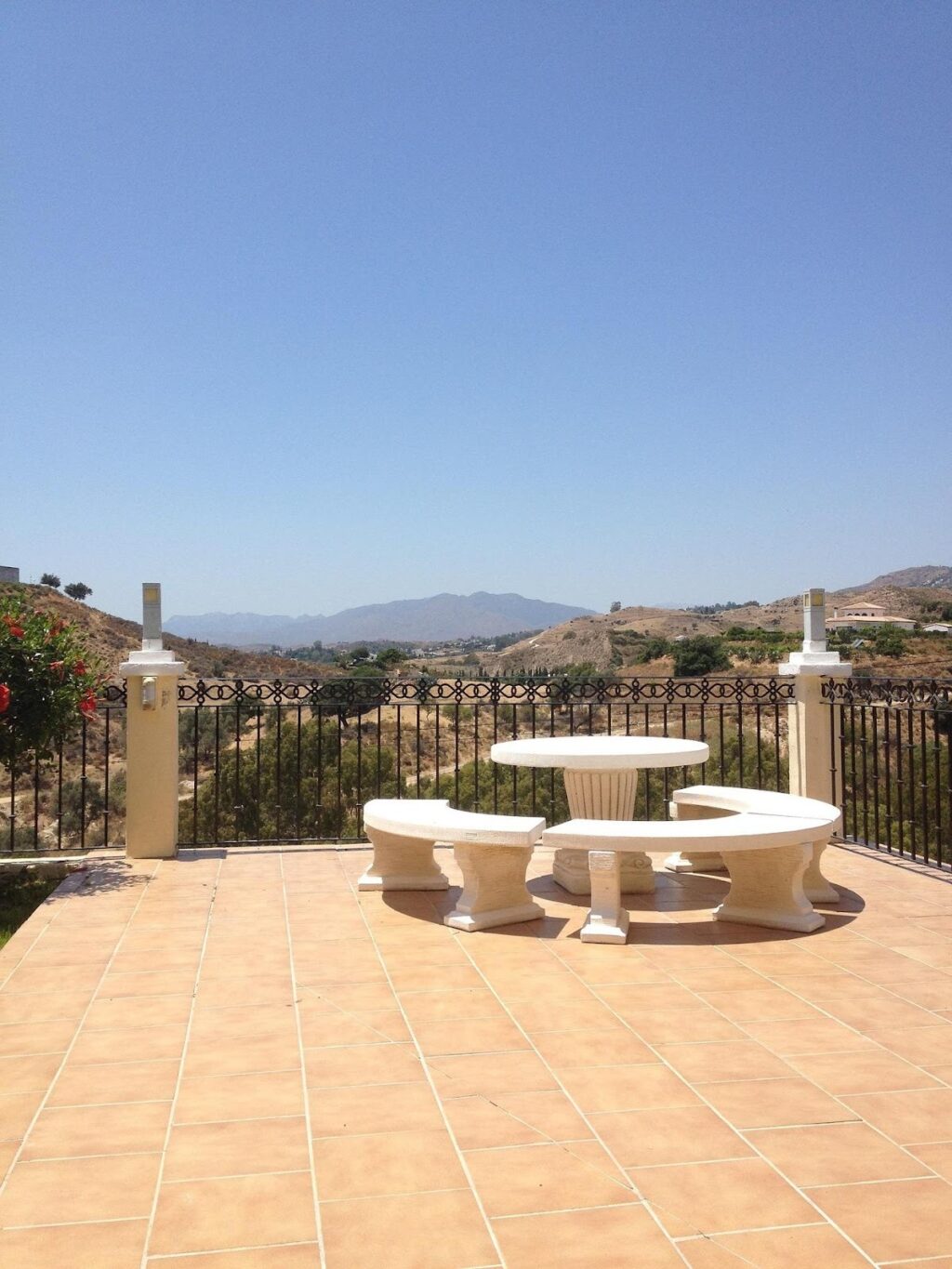
Picture this: you’ve just spent a weekend laying down a stunning porcelain tile on your mobile home’s front porch, only to watch the grout crumble and the tiles lift after the first winter freeze or heavy windstorm. While upgrading a manufactured home’s exterior with tile offers an unmatched, high-end aesthetic that traditional wood or composite decking simply can’t touch, it comes with a hidden structural catch. Mobile homes naturally flex, settle, and shift on their steel chassis, whereas tile is rigid and entirely unforgiving. Bridging the gap between a moving structure and a hard surface isn’t just a matter of spreading mortar, it’s a precise science. Here is why navigating the unique structural and weatherproofing challenges of manufactured housing requires the deep technical knowledge of a true tiling expert.
When we think about upgrading the exterior of a mobile or manufactured home, the conversation usually revolves around new vinyl siding, upgraded skirting options, or perhaps a fresh coat of paint on the shutters. However, as the manufactured housing industry evolves, so do the expectations of homeowners.
Today, creating a permanent, luxurious, and highly functional outdoor living space is a top priority. One of the most striking ways to achieve this is through the strategic use of exterior tiling. Whether it is a beautifully tiled front porch, durable and slip-resistant entry steps, or a custom outdoor kitchen on your deck, tile brings a level of sophistication and durability that wood and composite materials simply cannot match. However, integrating rigid tile into the exterior of a manufactured home is not a standard weekend DIY project.
It requires a deep understanding of structural movement, weatherproofing, and material science. This is exactly where the specialized knowledge of a tiling expert becomes an absolute necessity.
The Unique Structural Challenges of Mobile Homes
To understand why a tiling expert is crucial for mobile home exteriors, one must first understand the anatomy of a manufactured home. Unlike traditional site-built homes that sit on deep, rigid concrete foundations, mobile homes are constructed on a steel chassis. Even when properly blocked, leveled, and anchored, manufactured homes are subject to minute structural shifts. They respond to high winds, changes in soil conditions, and temperature fluctuations differently than traditional foundation homes.
Tile, by its very nature, is a rigid and unforgiving material. If you apply a rigid surface to a substrate that flexes, expands, or settles, the inevitable result is cracked tiles, crumbling grout, and a ruined investment. A tiling expert understands the concept of “deflection”, the degree to which a floor or structure bends under weight or movement.
Before a single tile is laid, a professional will assess the mobile home’s attached deck, porch, or entryway to ensure the joists and subfloor meet the strict deflection standards required for tile installation. If the structure is too bouncy, the expert will know exactly how to reinforce it, often by adding additional blocking or upgrading the thickness of the subfloor.
Prime Areas for Exterior Tiling on Mobile Homes
When executed correctly, exterior tiling can completely transform the curb appeal of a mobile home. Here are the most popular applications where an expert’s touch is required:
1. Porches and Lanais: Transforming a basic wooden deck into a tiled outdoor living room creates a seamless transition from the inside of your mobile home to the outside. Because these structures are exposed to rain, snow, and UV rays, the tiling expert will design a system that includes proper drainage slopes to ensure water flows away from the home’s siding and underbelly.
2. Upgraded Entry Steps: Mobile home steps are heavily trafficked areas that must be exceptionally safe. An expert will select tiles with a high Coefficient of Friction (COF) to ensure they are slip-resistant, even when wet. They will also use specialized bullnose edge tiles or metal transition strips to protect the edges of the steps from chipping.
3. High-End Skirting Alternatives: While vinyl and metal are standard skirting materials, some homeowners opt for rigid backer boards finished with lightweight stone veneer or exterior-grade porcelain tile to mimic the look of a permanent brick or concrete foundation. An expert understands how to install these heavier materials while maintaining the necessary ventilation for the home’s crawlspace, ensuring moisture does not become trapped beneath the chassis.
The Science of Exterior Tiling: Why Expertise Matters
The difference between a failing tile job and one that lasts for decades comes down to the unseen layers beneath the surface and the chemical makeup of the materials used. A true tiling expert brings a wealth of technical knowledge to the project:
Selecting the Right Tile (Porcelain vs. Ceramic): Not all tiles are created equal. For exterior applications, a tiling expert will almost exclusively recommend high-grade porcelain over ceramic. Porcelain is fired at much higher temperatures, making it incredibly dense. More importantly, it has a water absorption rate of less than 0.5%.
In climates that experience freezing temperatures, water that seeps into a porous ceramic tile will expand when it freezes, causing the tile to shatter or pop off the substrate. Experts know how to source frost-proof tiles designed specifically for outdoor punishment.
Uncoupling Membranes and Waterproofing: This is arguably the most critical step in mobile home exterior tiling. Because of the subtle movements of the home and attached structures, experts will utilize an “uncoupling membrane” (such as Schluter-DITRA) between the subfloor and the tile.
These engineered synthetic mats feature a grid structure that allows the subfloor to expand and contract independently of the tile layer above it. This effectively absorbs the structural stress that would otherwise crack the tile. Furthermore, these membranes act as a 100% waterproof barrier, protecting the wooden structure of your porch or deck from rotting due to moisture penetration.
Polymer-Modified Thin-Sets and Grouts: Standard cement and grout are too rigid for outdoor mobile home applications. Tiling experts use highly specialized, polymer-modified thin-set mortars. The added acrylics and latex polymers give the adhesive a slight flexibility, allowing it to withstand temperature extremes and micro-movements without losing its bond.
Similarly, they will utilize high-performance epoxy grouts or sealed cementitious grouts that resist staining from outdoor debris, prevent weed growth, and repel moisture.
Managing Moisture and Expansion
One of the greatest enemies of a mobile home is water pooling near the foundation or seeping behind the siding. When tiling an exterior porch or patio attached to a manufactured home, an expert will carefully calculate the pitch of the floor. The industry standard is typically a 1/4-inch drop for every foot of run. This microscopic slope is unnoticeable to the eye but ensures that rainwater naturally rolls away from the home’s skirting and chassis.
Furthermore, a tiling expert will expertly map out “expansion joints.” When dealing with large areas of outdoor tile exposed to the hot summer sun, the tiles will physically expand. If they are locked tight against the side of the mobile home with hard grout, the pressure will cause them to buckle or tent upwards. Professionals use color-matched, high-grade silicone sealants at the perimeter and at specific intervals across the floor to absorb this thermal expansion.
The True Cost of Skipping the Expert
It is tempting to view tiling as a simple matter of gluing squares to a floor, but exterior applications on manufactured homes are entirely unforgiving. A DIYer or a general handyman who lacks specialized tiling knowledge might skip the uncoupling membrane, use the wrong grade of thin-set, or fail to slope the deck properly.
The consequences of these shortcuts are severe. Within a single winter, freezing water can delaminate the tiles. Improper drainage can direct water straight into the home’s underbelly, leading to rusted chassis beams, rotting floor joists, and mold growth. Repairing a failed tile job is incredibly labor-intensive, requiring the old materials to be chipped away with demolition hammers before starting from scratch.
Upgrading your mobile home’s exterior with tile is a brilliant way to increase property value, enhance durability, and create a stunning outdoor aesthetic. However, the unique structural characteristics of manufactured homes, combined with the harsh realities of exterior weather conditions, mean that this is not a realm for amateurs.
By relying on the deep technical knowledge, precise material selection, and structural understanding of a tiling expert, you ensure that your mobile home exterior remains beautiful, safe, and structurally sound for decades to come.
More Stories
MobileHomeExteriors.com: The Complete 2026 Guide To Upgrading, Repairing, And Protecting Your Mobile Home Exterior
Harry Moore Mobile Home Exteriors: The 2026 Guide To Repairs, Siding, And Upgrades
How To Reach Bobby Kane At MobileHomeExteriors: Phone Numbers, Best Times To Call, And Alternatives (2026)