
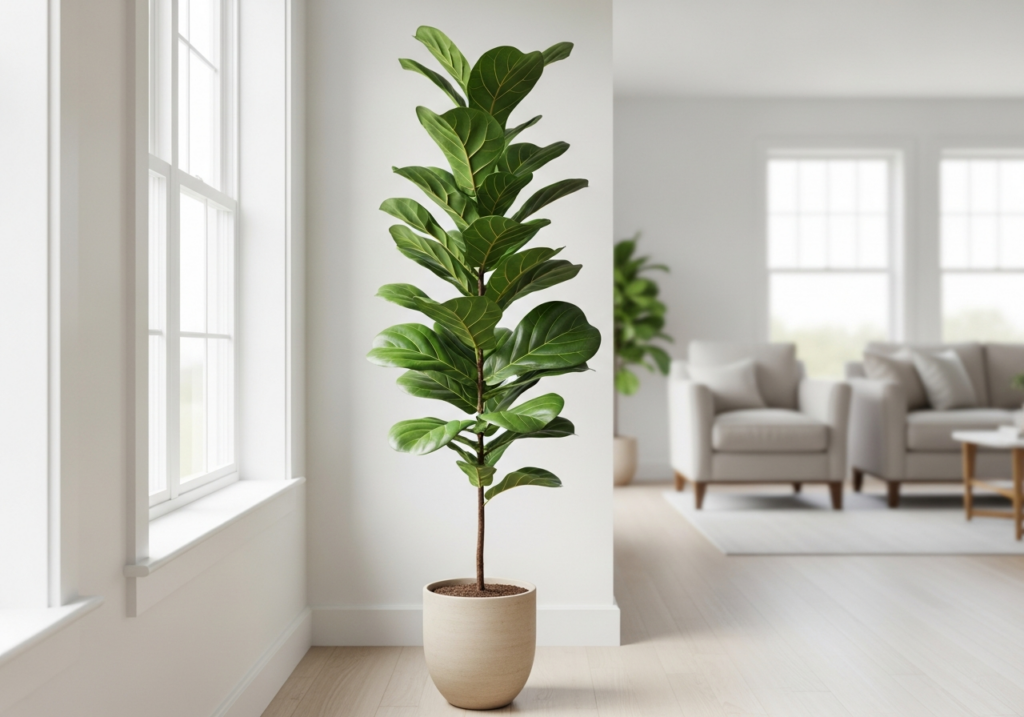
There is something quietly transformative about a large plant placed with intention. Unlike furniture or artwork, an oversized botanical specimen introduces living architecture into a room — adding height, organic texture, and a vitality that no decorative object can quite replicate. When styled thoughtfully, large-scale indoor plants do more than fill empty space; they anchor a room, soften hard edges, and conjure the calming depth of natural environments.
Why Scale Matters in Indoor Design
Discover huge indoor plants that genuinely thrive indoors and deliver instant drama, giving ordinary rooms the layered sophistication of a professionally designed space — no renovation required.
In interior design, scale describes the relationship between objects and the space they occupy. A plant that commands vertical presence — reaching six, eight, or even ten feet — creates a visual anchor that rebalances rooms with soaring ceilings or awkward proportions. Beyond pure aesthetics, large plants support biophilic design, a principle grounded in our innate connection to the natural world. Research consistently links indoor greenery to reduced stress, sharper focus, and a greater sense of calm.
A towering Monstera in a neutral living room, for instance, introduces lush softness and an immediate conversation-starting presence that even the most carefully chosen furniture simply cannot achieve.
Choosing Plants with Soulful Character
Iconic Large Varieties for Drama
Certain species are celebrated for their architectural presence. The Fiddle Leaf Fig commands attention with its bold, violin-shaped leaves and performs best in bright, indirect light. Monstera Deliciosa offers something airier — its distinctive split leaves allow light to filter through, keeping the room from feeling dense or heavy. The Rubber Plant, with its deep glossy foliage, creates striking contrast against pale or white walls. For something rarer, the Ficus umbellata brings heart-shaped leaves and sculptural elegance, while the Asian Council Tree introduces variegated color for added visual complexity.
Expert tip: Match the plant’s character to the room’s mood. Dark-leafed varieties like Rubber Plants create drama and depth; lighter, tropical species like Monstera bring an easy, resort-like calm.
Low-Light and Low-Maintenance Heroes
Not every space enjoys generous sunlight, and that’s no reason to compromise. The Snake Plant thrives in dim corners with minimal watering, making it ideal for hallways or north-facing rooms. The Kentia Palm offers graceful, arching fronds that soften darker spaces without demanding much care. In brighter areas, the Bird of Paradise delivers tropical grandeur through its long-stemmed paddle leaves. The guiding principle is straightforward horticultural common sense: choose the right plant for the right place, prioritizing long-term health over short-term visual impact.
Strategic Placement for Visual Impact
Filling Awkward Corners and Empty Spaces
Dead corners are prime territory for tall, upright plants. A slender Ficus or a bold Snake Plant placed in an underused corner instantly anchors the room and introduces texture where blank walls once created visual emptiness. Clustering a large specimen with one or two smaller companions builds lush density without overwhelming a modestly sized space.
Framing Living Areas and Entryways
Positioning a tall plant behind a sofa creates a natural canopy effect, making seating arrangements feel both intentional and inviting. In entryways, a single dramatic specimen sets an immediate tone of considered design. In open-plan spaces like lofts or studios, grouping three or four large plants together functions as a living room divider — organic, flexible, and visually rich in a way that fixed partitions rarely are.
Office and Bedroom Enhancements
Floor plants near desks can discreetly mask unsightly cords while introducing a sense of calm into workspaces. In bedrooms, species like Mass Cane or Alocasia placed near windows add serene vertical interest without disrupting the restful atmosphere that a sleeping space demands.
Styling Techniques for Designer Polish
Container choice shapes the overall aesthetic more than most people expect. Neutral, oversized pots — matte ceramic, woven rattan, or concrete — let the plant remain the undisputed focal point. Tall containers can elevate smaller plants, adding height without requiring a larger specimen. When grouping plants, apply the cluster rule: anchor the arrangement with one large plant, then layer in medium and small companions for a balanced, graduated effect.
Positioning plants near mirrors amplifies their visual presence and bounces light further into the room. Treating a large plant the way you would a sculpture — as a singular, deliberate element rather than background filler — prevents visual clutter, particularly in rooms that already feature gallery walls or patterned textiles.
Essential Care for Long-Term Thriving
Keeping a large indoor plant healthy over the long haul comes down to disciplined simplicity. Allow the soil to dry out between waterings; overwatering remains the most common cause of decline in otherwise resilient species. Tropicals like Ficus varieties benefit from slightly higher ambient humidity.
When problems arise:
- Yellow leaves typically signal overwatering — extend the drying cycle between sessions.
- Leggy, sparse growth points to insufficient light; increase exposure gradually rather than all at once.
- Pests are best managed by wiping foliage weekly with a diluted neem oil solution.
Prune selectively to maintain the plant’s intended shape, and plan to repot every two to three years as root systems expand. Homeowners who stick to consistent, low-water routines for Rubber Plants frequently report healthy, vigorous specimens well beyond five years — proof that restraint, not effort, is often the real key to longevity.
Mastering scale and soul through large indoor plants is less about perfection and more about intention. Choose one strategic corner, one well-suited specimen, and observe how the room shifts around it. From there, building a layered, living interior becomes a deeply satisfying — and enduring — design practice.
More Stories
Simple Water Quality Upgrades for a Mobile Home
Concrete Patio Ideas That Can Transform Your Backyard
Basement Renovation Ideas That Add Useful Space to Your Home