
Key Highlights
- Grout cleaning is essential for maintaining the look and longevity of your tile surfaces.
- Understanding your grout material helps you choose the right grout cleaner for effective results.
- Using a dedicated grout brush can significantly improve the removal of dirt and soap scum from grout lines.
- Following expert tips for regular cleaning helps keep your tiles and grout looking fresh and new.
- Britex offers specialized grout cleaning solutions, including a Grout & Tile Cleaner and a Grout & Tile Wand, for a deep clean.
- Applying a grout sealer after cleaning can protect your clean grout from future stains and discoloration.
Introduction
Are your tile surfaces looking dull? The real problem is often dirty, discolored grout stains. Grimy grout lines can make even beautiful tiles look old. The good news: with the right cleaner and some effort, you can restore your floors and walls. This guide covers everything you need to know for effective grout cleaning and refreshed surfaces.
Understanding Grout and Its Importance in Tile Care
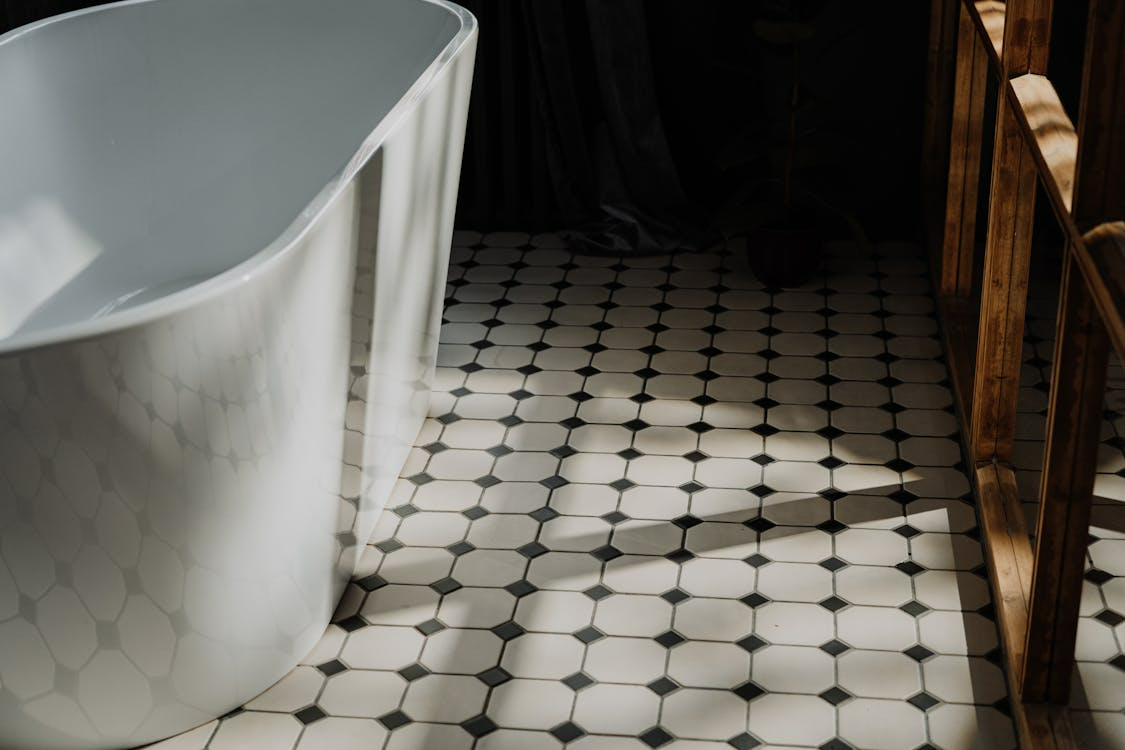
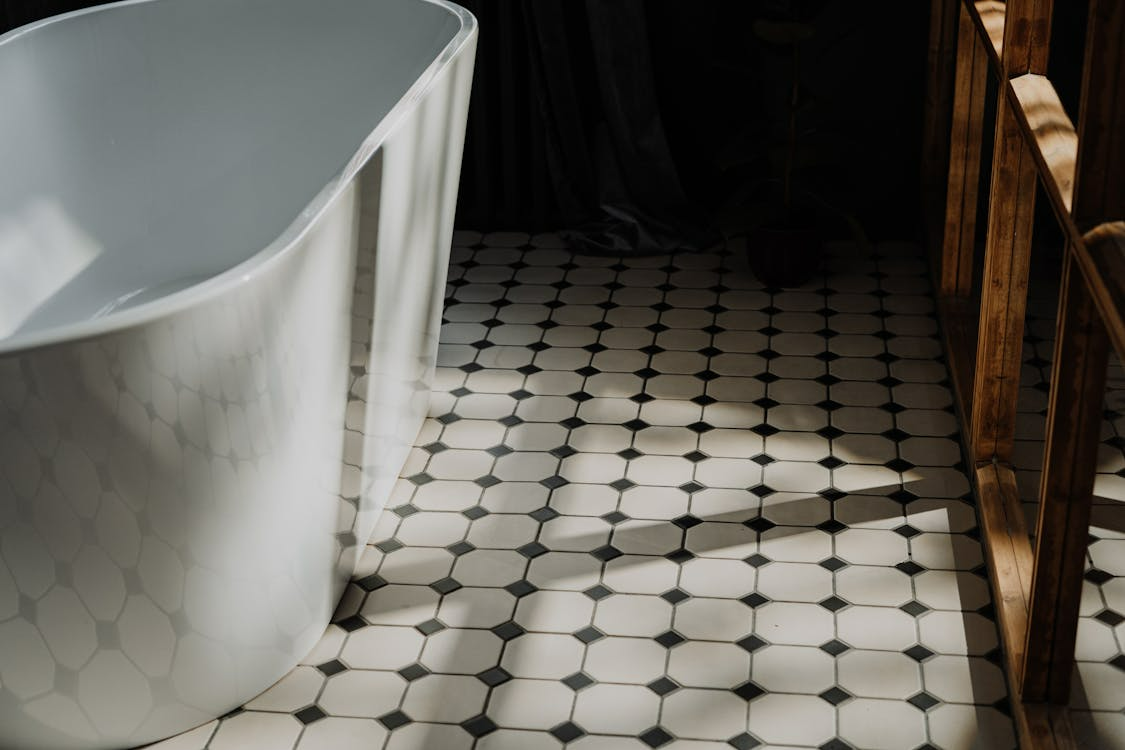
Grout does more than fill gaps between tile floors—it locks them in place, prevents moisture buildup, and gives floors a polished look. However, its porous surface easily attracts dirt and stains, diminishing your room’s appearance.
Keeping grout clean on horizontal surfaces is essential for both looks and hygiene. Regular cleaning not only enhances your home’s appeal but also extends the life of your tile. Using a good grout cleaner is a key part of this process. Here’s why grout matters and why its maintenance is crucial.
What Is Grout and Why Does It Get Dirty So Easily?
Grout is a cement-based material that fills the spaces between tiles, creating a solid surface. However, its porous nature makes it absorb spills, dirty water, and soap scum easily, leading to quick discoloration—especially in small spaces like kitchens and bathrooms.
When you mop or clean, dirty water seeps into grout lines. Over time, this causes stubborn stains that regular wiping can’t remove. Grout’s rough texture also traps dirt and can harbor mildew growth if not cleaned thoroughly.
To truly refresh your tiles, you need a grout cleaner that penetrates deep to remove embedded grime. Cleaning just the tile surface isn’t enough; grout needs special care.
How Clean Grout Impacts the Appearance and Longevity of Your Tiles
The condition of your grout greatly affects a room’s appearance. Clean, bright grout makes tiles stand out and the space look fresh, while stained grout can make even clean tiles seem dirty and outdated. For optimal results, consider professional grout cleaning to enhance your home’s aesthetic.
Keeping grout clean also extends the life of your tile surfaces. Dirty or mildewed grout can crack, letting moisture seep behind tiles and cause water damage or loose tiles.
Regular cleaning prevents stains from setting and protects your installation. Knowing how to clean old, stained grout not only refreshes your tiles but also ensures their long-term durability.
Types of Grout Cleaners and How They Work
Choosing a grout cleaner can be overwhelming, with options ranging from everyday sprays to heavy-duty formulas. Some use oxygen bleach, while others rely on different ingredients like chlorine bleach. Select a product suited to your needs and tile type.
Experts suggest starting with a mild cleaner and only using stronger formulas if needed to avoid damaging surfaces. Let’s look at which grout cleaner might work best for your home.
Acid-Free vs. Traditional Grout Cleaners: Which Is Best for Australian Homes?
Choosing between acid-free and traditional grout cleaners depends on your type of tile and cleaning needs. Traditional cleaners use acids to tackle tough mineral deposits and soap scum, but can damage sensitive surfaces like natural stone.
Acid-free grout cleaners are safer and more versatile for most homes. They’re effective for regular cleaning and safe on ceramic, porcelain, and even natural stone, breaking down dirt without harming tiles or grout. For those concerned about safety and compatibility, acid-free options that meet the standards set by the Environmental Protection Agency are often the best choice.
|
Feature |
Acid-Free Grout Cleaner |
Traditional Grout Cleaner |
|
Best For |
Routine cleaning; sensitive surfaces (natural stone) with ease of use |
Heavy-duty cleaning; durable surfaces (ceramic) |
|
Safety |
Safe for most tiles; minimal fumes |
Can damage acid-sensitive tiles; needs ventilation |
|
Effectiveness |
Removes dirt, grease, and soap scum |
Excels at mineral deposits, deep stains |
Comparing Heavy-Duty and Everyday Grout Cleaners for Different Cleaning Needs
Your cleaning needs determine whether to use an everyday spray or a heavy-duty grout cleaner, such as a bleach cleaner gel. For routine cleaning and minor spots, choose an everyday cleaner—these are gentle enough for frequent use without causing damage.
For tough stains, deeply embedded dirt, or neglected areas, opt for a heavy-duty grout cleaner to clean grout lines effectively. These products, often containing hydrogen peroxide or strong bleach alternatives, penetrate deep to remove stubborn buildup.
Consider:
- Everyday Cleaners: Great for weekly or bi-weekly maintenance.
- Heavy-Duty Cleaners: Use for deep cleaning a few times a year or on severely stained grout.
- Combination Approach: Maintain with everyday cleaners and deep clean periodically with heavy-duty formulas.
Step-by-Step Guide to Restoring Tiles with a Grout Cleaner
Ready to transform your tile surfaces? Restoring grout is simple with the right tools and a clear process. Whether you’re cleaning shower grout or large floors, the first products you need are the following step-by-step instructions that ensure professional results.
This guide covers everything from prep to final rinse. With the proper products and techniques, you can easily remove grime and restore your grout’s original brightness.
Preparing Your Tiles and Grout for Deep Cleaning
Proper preparation is key before applying grout cleaner. First, remove all furniture and obstacles, then sweep or vacuum to clear away dust and debris—this prevents dirt from turning into mud during cleaning. If you’re using a milder formula, ensure to follow the instructions for best results.
Next, pre-rinse the surface with warm water to loosen grime and help the grout absorb the cleaner, especially when dealing with larger areas. For stubborn areas, pre-scrub with a grout brush and water.
Quick prep checklist:
- Clear the area and sweep or vacuum thoroughly.
- Wipe surfaces with a damp cloth.
- Have your grout cleaner, brush, and tools ready. Choosing the right product in advance makes the process easier.
Effective Methods for Removing Old Stains and Discoloration
Once your surface is prepped, it’s a good idea to address tough stains with a specialized grout cleaner. Apply it directly to the grout lines and let it sit for 5–10 minutes to break down grime.
Scrub the grout lines vigorously with a stiff brush to lift deep-set dirt. Work in small sections with a steam cleaner to prevent the cleaner from drying out. Reapply if stains persist.
Stain removal steps:
- Apply a commercial grout cleaner and let it soak in.
- Scrub thoroughly with a firm brush.
- Rinse well with clean water to remove all residue.
Expert Tips for Achieving Fresh, Bright Grout
Getting grout lines sparkling clean is one thing—keeping them that way is another, especially when it comes to maintaining your shower tiles. With a few expert tips, you can extend the results of your cleaning and make upkeep easier. It’s about working smarter, not harder.
From quick fixes to long-term care, these professional tips will help you maintain bright, fresh grout. Incorporating a good bathroom cleaner can further enhance this maintenance. Adopt these simple habits and say goodbye to dingy grout for good. Let’s dive in.
Quick and Easy Hacks to Refresh Tile Grout
Need a quick grout fix? Try these easy cleaning hacks:
- Baking Soda Cleaning Paste: Mix baking soda and water to create a paste, apply to grout, spray with vinegar, let it foam, then scrub. Lifts surface stains effectively.
- Pencil Eraser: Rub small stains on white grout; the friction removes minor marks without chemicals.
- Grout Cleaning Spray: Use a dedicated spray like Britex for fast, reliable results—no mixing required.
How to Maintain Tile and Grout After Cleaning
To keep your grout clean after deep cleaning, proper maintenance is essential. Apply a quality grout sealer to create a protective barrier against dirt and moisture.
For ongoing care:
- Wipe up spills immediately.
- Clean tile surfaces weekly with a pH-neutral cleaner.
- Avoid harsh cleaners, which can degrade the sealer.
Follow these steps to maintain fresh-looking tiles and grout:
- Seal clean, dry grout lines.
- Clean regularly with gentle products.
- Address spills and stains right away.
Conclusion
In conclusion, using a quality grout cleaner can transform your tiles’ appearance and extend their life. Clean grout enhances the look of your space and protects tiles from dirt-related damage. Choosing the right cleaner and professional commercial cleaners, along with effective cleaning techniques, makes maintenance easy, keeping your tiles vibrant and inviting. Ready to refresh your tiles? Contact us for a consultation today!
Frequently Asked Questions
Is an acid-free grout cleaner safe for all tile types?
An acid-free grout cleaner is generally safe for most tile types, including ceramic, porcelain, and even delicate natural stone. Unlike cleaners with harsh chemicals, it cleans the tile grout effectively without risking damage or etching to surfaces such as stainless steel, making it a versatile and safe choice for regular maintenance on various surfaces.
Where can I buy the best grout cleaner for restoring tiles in Australia?
For the best grout cleaner to restore your tiles, look for specialized products designed for deep cleaning. Cleaning experts recommend Britex, which offers an effective Deep Cleaning Grout & Tile Cleaner and Grout & Tile Spray, available for purchase directly from the Britex website or at select hire locations across Australia.
More Stories
Planning a DIY Radiant Barrier Installation in Your Attic
How to keep your bathroom surfaces free from stubborn limescale
When Is a Temporary Roof Repair Useful, and When Is It Only Buying Time?