
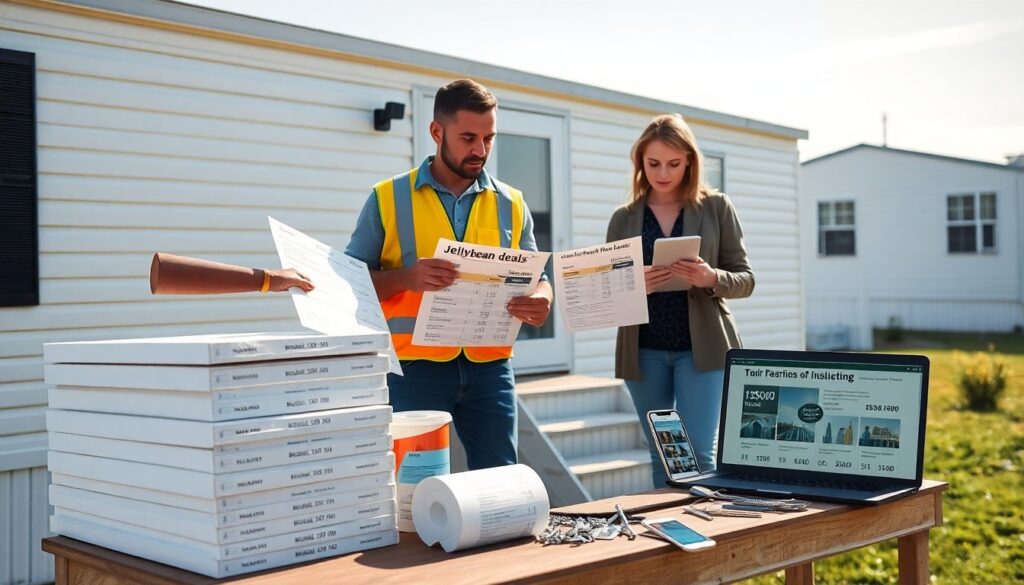
mobilehomeexteriors insulation jellybean deals help owners save on cladding and thermal upgrades. The article explains key choices, common savings tactics, and quality checks. It shows how buyers find deals that lower bills and improve comfort. The tone stays practical. The guidance suits owners who want clear steps and quick decisions.
Key Takeaways
- Mobilehomeexteriors insulation jellybean deals help reduce upfront costs while enhancing thermal performance and lowering utility bills.
- Prioritize continuous exterior insulation with high R-value and proper vapor control to maximize comfort and prevent mold in mobile homes.
- Rigid foam and spray foam are top insulation types featured in jellybean deals, but buyers should verify specs, warranties, and code compliance before purchase.
- Search local listings, manufacturer closeouts, and social groups for trustworthy jellybean deals, and always confirm product quality and installer reputation.
- DIY installation suits simple rigid foam panel projects with clear instructions, while professional help is recommended for spray foam and complex jobs to ensure safety and warranties.
Why Mobile Home Exterior Insulation Makes A Big Difference
Exterior insulation improves thermal performance and reduces utility bills. It blocks heat transfer and lowers heating and cooling use. Owners see quicker payback when they pair insulation with air sealing and proper ventilation. Mobilehomeexteriors insulation jellybean deals can cut upfront costs and make upgrades more affordable. Buyers should check R-value and continuity of the insulation. They should prioritize continuous exterior insulation over small cavity-only fixes. Continuous insulation reduces thermal bridging. Proper exterior insulation also improves interior comfort and reduces drafts. It limits mold risk when installers control moisture. Buyers should calculate simple payback by dividing project cost by annual energy savings. This method shows when a jellybean deal truly saves money.
Best Insulation Types For Mobile Home Exteriors
Rigid foam, spray foam, and fiberglass each offer distinct benefits for mobile home exteriors. Owners choose based on budget, climate, and wall type. Mobilehomeexteriors insulation jellybean deals often appear on rigid foam panels and on classified spray foam services. Rigid foam gives continuous coverage and good R-value per inch. Spray foam seals gaps and adds structure. Fiberglass batts remain the lowest cost for simple retrofits but they require a weather barrier to avoid moisture problems. Buyers should match insulation type to siding and framing. They should verify that installers use vapor control appropriate for local climate. They should also check fire and code requirements. When owners find jellybean deals, they should confirm product specs and warranty coverage before purchase.
How To Find And Use Jellybean Deals Without Sacrificing Quality
Shoppers search local listings, manufacturer closeouts, and seasonal sales for jellybean deals. They track classifieds and trade-group bulletins for contractor leftover materials. They join local social groups and contractor email lists to spot short-term discounts. When a deal appears, buyers verify product labels and expiration dates. They confirm that insulation meets code and R-value claims. They ask for invoice proof and product data sheets. They test small samples for damage or moisture. They request photos of storage and packing. They check installer reviews and request references. They compare the total project cost after adding any required accessories, such as flashing and fasteners. They avoid deals that require unspecified site modifications or that come without a return policy.
DIY Versus Professional Installation: When To Save And When To Hire A Pro
Owners can install rigid foam panels on simple, level exteriors to save labor cost. They can handle cutting, adhesive application, and basic fastening with common tools. Mobilehomeexteriors insulation jellybean deals often suit DIY buyers when panels come with clear instructions. Owners should hire a professional for spray foam and for any work that affects structural ties or electrical systems. Professionals ensure correct air sealing, fire blocking, and code compliance. They also handle complex trim, vents, and window flashing. Buyers should compare time, risk, and warranty. DIY work reduces cost but voids some warranties. Professional work raises cost but improves consistency and safety. Owners should request a written scope and warranty from pros and confirm that the contractor carries insurance and local permits.
More Stories
MobileHomeExteriors.com: The Complete 2026 Guide To Upgrading, Repairing, And Protecting Your Mobile Home Exterior
Harry Moore Mobile Home Exteriors: The 2026 Guide To Repairs, Siding, And Upgrades
How To Reach Bobby Kane At MobileHomeExteriors: Phone Numbers, Best Times To Call, And Alternatives (2026)