

The construction industry moves fast and competition is tough. Doing great work matters, but it often isn’t enough to keep projects coming in and grow over time. The real question behind asking for agency recommendations is simple: how can a construction company stand out and keep winning work?
The answer is steady, planned, and well-run marketing. Working with a specialized marketing agency construction is often one of the best ways for construction companies to build a strong brand that lasts.
These agencies bring the right skills, tools, and planning to help you deal with a crowded market. They help your firm get noticed and build trust at the same time. Since construction projects usually cost a lot and take time to win, having a clear brand-supported by the right marketing partner-can be the difference between just getting by and growing in a real, steady way.
Why Do Construction Companies Need a Marketing Agency to Build a Stronger Brand?
What Branding Challenges Do Construction Businesses Face?
Construction marketing is different from marketing everyday products. Most clients only take on a building project a few times in their life, and it can be one of the biggest money and stress decisions they make. That could be a homeowner planning a custom home or a developer starting a large commercial build. Because the stakes are high, the buying process is rarely quick. People may spend months (or longer) comparing options, getting quotes, and working through terms before work even starts.
Competition also makes things harder. Smaller and mid-sized construction firms often compete against bigger companies with larger budgets and stronger name recognition. Without a clear plan, smaller companies can end up feeling forced to bid low or take less profitable jobs. On top of that, construction projects can be hard to explain in a simple way. With timelines, trades, permits, and project steps, it’s easy to overload potential clients instead of showing the value clearly.
How Can Strategic Marketing Transform Construction Brands?
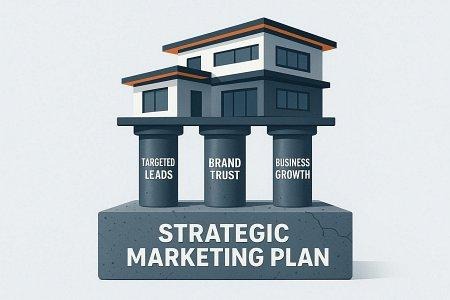
This is where a smart marketing plan stops being “nice to have” and becomes a must-have. Just like a solid foundation matters for a building, a solid marketing plan supports long-term business growth. Word-of-mouth still helps, but it rarely works as the only plan anymore. Most people now start their search online, so you need a clear and active approach to bring in new clients and keep up with competitors.
Digital marketing can create growth in ways older methods often can’t. You can target the right people and speak to them directly, which helps your message reach the audience that actually needs your services. Better targeting often means better leads, stronger conversion rates, and better value from your budget. Over time, a strong brand built through consistent marketing becomes a clear signal to buyers, helping them trust you sooner and recommend you more often.
Key Elements of a Strong Construction Brand
What Makes a Construction Brand Memorable?
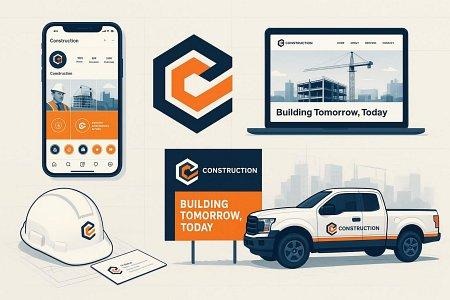
A memorable construction brand is more than a logo or a name. It’s the full identity people connect with. That includes your values, what you do best, and the key reasons a client should pick you. For example, a company may become known for green building, high-end craftsmanship for custom homes, or reliable delivery for large commercial projects.
The core of a strong brand is repeating the same message about who you are and what you stand for every time people interact with your business. When that message is clear, potential clients can quickly understand what makes you different. A strong brand tells a simple story about skill, reliability, and proven results, helping clients feel confident choosing you for an important project.
How Does Consistency Across Channels Influence Perception?
Today, clients may see your company in many places: your website, social media, email, online ads, and review sites. Every touchpoint shapes how people see you. If your message and visuals change from one place to the next, it can confuse people. Confusion lowers trust and can make your business look less professional.
When everything matches-your look, tone, and key message-people understand you faster and remember you longer. This builds familiarity and trust over time. It also signals that you pay attention to details, which clients expect from a construction company. Each consistent interaction adds another layer to your reputation.
Role of Trust, Credibility, and Reputation
In construction, trust is the base of the client relationship. A strong brand helps people believe your company is stable, reliable, and professional-especially when clients are taking time to compare options before signing a contract.
Your reputation grows from doing good work and communicating clearly. Online reviews and testimonials play a big part, since many clients research online before contacting a builder. Showing licenses, awards, and professional memberships also helps. Just as important, responding to feedback-thanking happy clients and handling negative comments in a calm, professional way-shows you take responsibility and care about service.
Top Recommendations for Selecting a Construction Marketing Agency
Industry Experience and Specialized Knowledge
When you look for a marketing agency, pick one that understands construction. A general marketing approach often won’t work well here. A residential remodeler and a commercial developer need different messaging and different marketing channels. Homeowners may care more about design and personal service, while developers often focus on delivery time, budget control, process, and proven performance.
An agency with real construction experience can help define your best audience and create messaging that fits. They won’t just copy generic tactics. Instead, they build strategies that match the real concerns and decision drivers of your buyers. That might mean a guide for first-time home builders or content that shows complex project planning for large infrastructure work.
Proven Results in Construction Branding
A strong track record is required. Don’t rely on promises-ask for clear examples and case studies. Look for proof such as more qualified leads, better brand awareness in a target area, or a rebrand that helped a company win better work.
For example, a capable agency may show how they helped a sustainable housing developer build a brand that matched what buyers cared about. Or they may show how content for a construction firm increased engagement and brought in more project inquiries. Real examples show the agency can turn marketing work into business results.
Comprehensive Digital Marketing Services
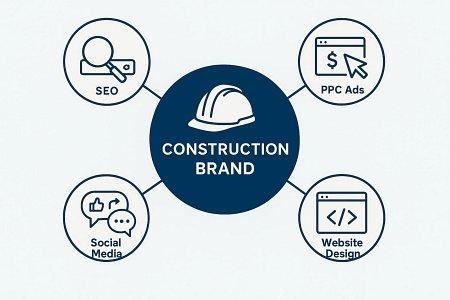
Strong digital services are now a basic need for construction companies that want steady growth. Your agency should have real skill in key areas like:
- SEO (so people can find you in search results)
- PPC ads (for faster leads)
- Social media management (to stay visible and build trust)
- Website design and maintenance (so your site works well and converts)
Digital marketing is ongoing work, not a one-time task. The right agency will review results, find what is working, and adjust the plan over time. This helps your online presence stay relevant as the market and buyer habits change.
Focus on Local SEO and Community Outreach
For many construction companies-especially residential and regional commercial builders-local visibility is a must. A good agency will focus on local SEO so you show up in “near me” searches. This usually includes:
- Using location keywords on your website
- Building service pages for each city or town you serve
- Improving your Google Business Profile with correct info, photos, and reviews
Offline work also matters. Community outreach can include joining local business groups, attending events, and sponsoring local activities. Partnering with real estate agents for joint promotions or offering services that help homes sell faster can work well too. These steps build strong local recognition and lead to referrals.
Integrated Content Marketing and Social Engagement
Content marketing helps you educate your audience and show your expertise. A good agency will plan content that answers real questions instead of pushing sales messages. This can include blog posts like “How to Choose the Right Contractor,” project case studies, or updates on sustainable building methods.
Visual content works especially well in construction. The agency should use platforms like Instagram, Pinterest, and TikTok for before-and-after photos, testimonials, and time-lapse videos. For B2B networking, LinkedIn is useful for connecting with developers, suppliers, and architects. A YouTube channel with walkthroughs or simple project explanations can also help build trust with a wider audience.
Data-Driven Strategy and Transparent Reporting
A strong construction marketing agency uses data, not guesses. They track how people interact with your website and content, how leads move through your pipeline, and what turns into real inquiries and jobs. This helps spend your budget in a smarter way.
Clear reporting is a key part of a good partnership. You should get regular reports that are easy to understand, showing performance and ROI. With this data, the agency can fix what’s weak and build on what’s working, keeping your marketing effective as the market changes.
Essential Services Provided by Leading Construction Marketing Agencies
Brand Identity Development and Messaging
A strong agency usually starts by helping you define or tighten your brand identity. This is more than making a logo. It includes your values, your strengths, and the clear reasons clients should choose you. They will also help build client profiles so you understand who you are trying to reach-like high-end homeowners or commercial buyers focused on speed and reliability.
This work leads to a clear value proposition and messaging that fits your audience. It highlights your experience, shows proof from past work, and explains your process in a way people can quickly remember. The goal is to make the decision easier for the client.
Website Design and Lead Generation Optimization
Your website is often the first serious contact a client has with your company. A good agency will build a professional site that looks good, works on mobile, loads fast, and is easy to use. It will clearly show your services, explain your process, and feature a portfolio with strong photos and videos.
It should also support lead capture. Since most visitors won’t “buy” right away, the site should guide them to take a next step. That might include calls-to-action for consultations, quote requests, or downloads like a planning checklist. The goal is to get contact details so you can start the relationship.
Search Engine Optimization for Construction Companies
SEO helps people find you when they search for the exact services you offer. Agencies work to improve your rankings, especially for local searches. This can include local keywords, service-area landing pages, and keeping your Google Business Profile current.
Content also supports SEO. Blog posts, case studies, and pages about specific services can bring in search traffic and show expertise. Project pages with strong descriptions, photos, and client testimonials also help by showing real examples of your work and the problems you solve.
Social Media Strategy for Audience Engagement
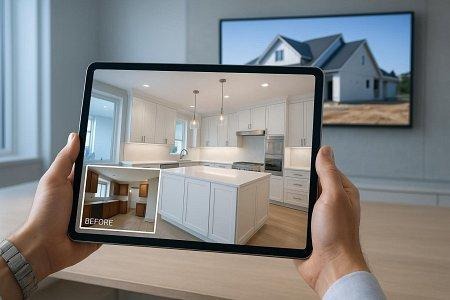
Social media helps construction companies stay visible and feel more human. A skilled agency will build a social plan that uses visual platforms like Instagram, Pinterest, and TikTok to share transformations, reviews, and time-lapse clips. This gives people a clear look at your work quality.
LinkedIn supports professional connections, especially for commercial work. An agency can help you connect with developers, suppliers, and architects, and share helpful posts about industry updates or building trends. Sharing behind-the-scenes content and community work also helps people feel connected to your team.
Portfolio, Case Studies, and Video Marketing
Construction marketing needs strong visuals. A good agency will help you build and share a project portfolio with high-quality photos and videos. Before-and-after images and time-lapse videos can show your process and workmanship in a clear way.
Case studies go deeper by explaining the challenge, your solution, and the result. Video testimonials with real clients can also raise trust quickly. A YouTube channel with walkthroughs, simple tutorials, or project tours can help you reach more people and build authority in your niche.
Online Reputation and Review Management
Many clients read reviews before they call a contractor, so your online reputation needs active management. An agency like BuiltFor Studio can set up systems to ask happy clients for reviews through follow-up emails or referral programs. This helps you collect steady social proof.
They can also guide you on how to respond to reviews the right way. Thanking people for positive feedback matters, and handling negative reviews calmly in public shows professionalism. Done well, even a bad review can become a chance to show how you handle problems.
Advertising Campaigns: Google, Facebook, and Retargeting
Paid ads can bring faster results when they’re set up well. Agencies often run geo-targeted Google Ads so your company shows up for local searches like “home remodeler near me,” using call buttons and review extensions to drive action.
They may also use Facebook Ads to reach specific homeowner groups, sometimes with seasonal offers to push quick responses. Retargeting ads help bring back visitors who looked at your site but didn’t contact you, keeping your brand in front of them until they are ready.
Questions to Ask When Hiring a Construction Marketing Agency
Which Strategies Will Best Suit Our Business Model?
This question tests whether the agency really understands your business. Construction has many segments, so a generic plan won’t fit. You want an agency that learns your audience, project types (residential, commercial, industrial), service areas, and competition.
Ask them to explain why their plan fits your goals. For example, a local contractor may need strong local SEO, while a specialized commercial builder may need B2B content and LinkedIn outreach. Their answer should show they understand how you operate and how the plan will solve your real challenges.
How Will Success Be Measured and Reported?
Before you sign anything, agree on what “success” means and how it will be tracked. Ask if they measure leads, traffic, brand awareness, signed contracts, and ROI-and how they connect marketing activity to real business outcomes.
Also ask how often you will get reports and what those reports will look like. Monthly reporting is common, but it must be clear and useful. A good agency will use analytics to explain results, make adjustments, and back up their recommendations with data.
What Support Is Provided After Campaign Launch?
Marketing isn’t something you set up once and ignore, especially with long construction sales cycles. Ask what happens after launch: How often will they meet with you? How do they make changes based on performance and feedback?
A strong agency acts like a long-term partner, not just a vendor. They should monitor campaigns, adjust based on results, respond to market shifts, and offer ongoing advice. This steady support is what helps brands grow over time.
Common Mistakes to Avoid in Construction Marketing
Neglecting Local SEO and Community Relationships
A common mistake is ignoring local visibility. Many buyers start with “near me” searches, and if you aren’t set up for local SEO, you won’t show up when people are ready to hire. Missing basics like optimizing your Google Business Profile, using location keywords, or creating town-specific service pages can cost you strong local leads.
Ignoring community connections is also a missed chance. If you don’t join local groups, attend events, or support local programs, you lose referrals and local brand awareness. Community trust can be hard to replace with online marketing alone.
Overlooking Social Proof and Customer Testimonials
Construction runs on trust, and social proof helps build it faster. A common error is not collecting and showing reviews and testimonials. If happy clients aren’t encouraged to leave reviews on your website, social platforms, or sites like Yelp and Angi, you lose a major source of third-party proof.
Many companies also skip video testimonials and detailed case studies. These make it easier for prospects to picture the experience of working with you. Without strong social proof, people may hesitate and choose a competitor that shows more real feedback.
Using Generic Messaging Instead of Brand Positioning
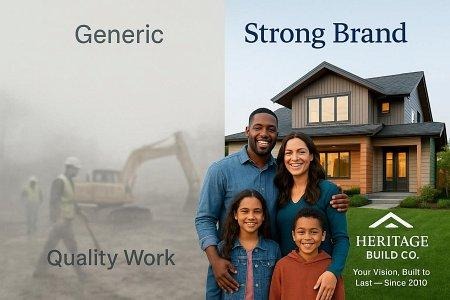
Generic lines like “we build great things” don’t stand out. Another common mistake is not clearly explaining what makes your company different. Without a strong value proposition-your specialty, your process, your results-your brand can blend in with everyone else.
This often happens when companies don’t name their real strengths, like a special build method, a clear project system, a focus on customer communication, or a specific niche. If your positioning is unclear, clients have fewer reasons to choose you, and it becomes harder to win the best projects at the right price.
What Results Can a Construction Marketing Agency Deliver?
Increase in Qualified Leads and Project Inquiries
The clearest result is usually more qualified leads and real project inquiries. With SEO, Google Ads, improved service pages, and strong calls-to-action, agencies bring in people actively searching for your services.
The goal isn’t just more traffic-it’s better leads. That means prospects who match your service area, budget range, and project type. With follow-up systems and lead nurturing, inquiries can be captured and moved through your pipeline, leading to more chances to win work and grow revenue.
Stronger Local Market Presence
For companies working in set regions, one key result is stronger local visibility. An agency can help you rank well in local search, supported by a strong Google Business Profile and a steady flow of good reviews.
They can also help build local awareness through outreach, local ads, and consistent branding on job sites. Over time, this can make your company a familiar name, increasing referrals and bringing in steady local inquiries.
Improved Customer Trust and Loyalty
A marketing agency can help build trust by collecting reviews, managing feedback, and keeping your message consistent. Professional responses to all reviews show accountability and help protect your reputation.
Agencies can also create testimonial videos and case studies that show real customer experiences. Combined with steady brand messaging, this builds trust, helps clients feel confident, and can lead to repeat work and more referrals.
Measurable Brand Growth and ROI
A strong agency can also drive measurable brand growth and ROI. With a clear strategy and ongoing tracking, marketing work stays tied to real business goals like new clients and revenue growth. Better targeting and better campaign management usually means your budget goes further.
Over time, this creates a clearer brand that stands out in the market. That makes it easier to win the right kind of projects and often supports better pricing, improving profit and strengthening your position as a trusted choice.
Next Steps: Building a Stronger Brand with the Right Agency Partner
Tips for a Smooth Onboarding Process
After you choose an agency, the onboarding stage sets the tone for the relationship. Start by sharing your business goals, brand guidelines, and any existing marketing materials. Give access to website analytics, social accounts, and CRM data so the agency can understand past performance and client behavior.
Set clear communication routines and choose one main contact person on both sides. Share details about your best clients, project types, key selling points, and common client concerns. The more clear information you provide early, the faster the agency can build a plan and start producing results. It’s like starting a building project-clear plans make everything smoother.
Long-Term Collaboration for Sustainable Brand Growth
Building a strong brand takes time. It’t not a quick project-it’s long-term work that needs steady effort and good planning. Treat the agency relationship like a partnership, not a simple service purchase. Regular performance reviews, honest communication, and a shared focus on improving the plan over time matter a lot.
Construction markets change due to the economy, digital trends, and shifting client expectations. A good long-term partnership means tracking results, adjusting based on data, and looking for new ways to reach buyers. With consistent work, your brand can stay relevant and keep growing for years, building a strong name people trust.
More Stories
Simple Water Quality Upgrades for a Mobile Home
Concrete Patio Ideas That Can Transform Your Backyard
Basement Renovation Ideas That Add Useful Space to Your Home