

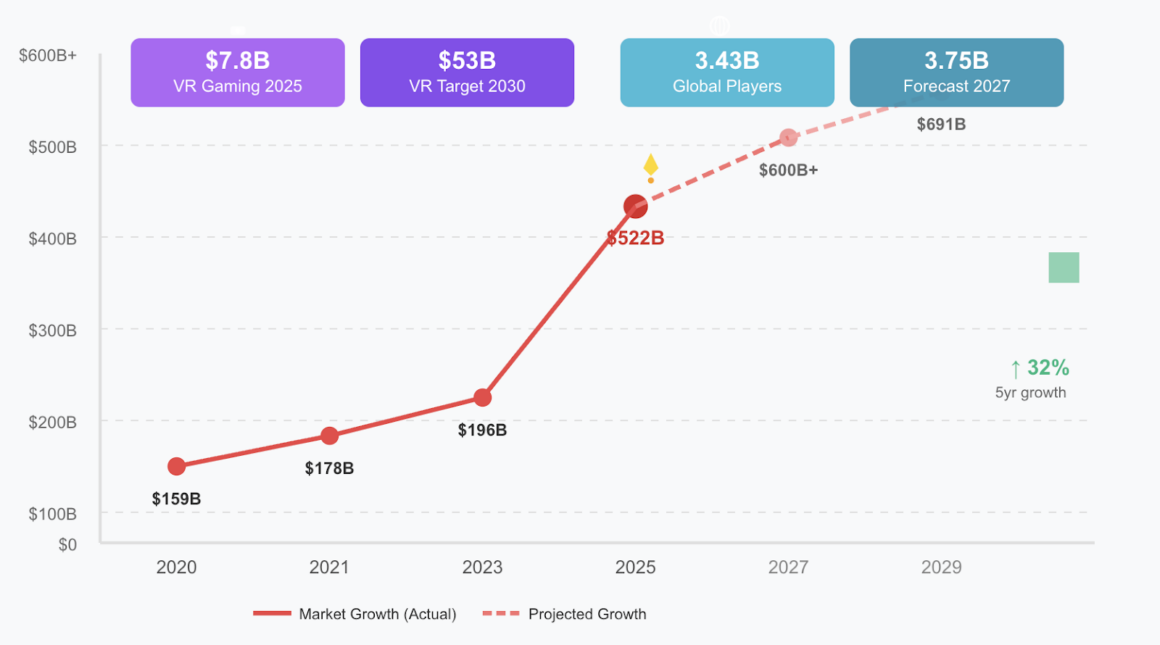
On a Friday night, the same question always comes up: go out or stay home? We are choosing the latter more and more – not because we’re lazy, but because digital entertainment has become really interesting. The numbers tell a really interesting story: A huge number of people all over the world now play video games. In fact, 3.43 billion people are playing games regularly, and this includes people of all ages, not just teenage kids who spend all day in their bedrooms. We’re talking about everyone from Gen Z to the Silent Generation, all finding reasons to swap busy bars for virtual worlds.
The change happened slowly, then all at once. What started as something we had to do during the pandemic has now become something we would like to do. Nowadays, digital spaces offer experiences that traditional nightlife simply can’t match. We’re discovering that you can have fun without leaving your sofa.
The Economic Reality Behind Our Choice
Now, let’s talk about money, because that’s where things get interesting. Going out in the evening can cost a lot of money. Transport costs AUD 30-50 for rideshares, drinks cost another AUD 60-80, and dinner? It costs between AUD 40 and 70 per person. Add the extra money you spend on drinks and tips, and a single night can cost you 150-250 AUD.
Compare that to digital entertainment. A gaming subscription costs about AUD 15 a month. Even buying new games for AUD 70-90 means you can play for dozens of hours – sometimes hundreds. The maths is simple: one night out equals several months of home entertainment.
| Expense Category | Going Out (Single Night) | Gaming at Home (Monthly) | Annual Savings |
| Entertainment | AUD 150-250 | AUD 30-60 | AUD 1,800-2,280 |
| Transport | AUD 30-50 | AUD 0 | AUD 360-600 |
| Food & Drinks | AUD 60-120 | AUD 20-40 (snacks) | AUD 480-960 |
| Total Impact | AUD 240-420 | AUD 50-100 | AUD 2,640-3,840 |
This money saved can increase over time. Saving between 2,500 and 3,500 AUD a year can help you to do more. For example, you could go on holiday, invest in things like stocks and shares, or have more money to spend even when you’re short on cash. We’re not cheap – we’re smart about value.
Connection Without the Commute
Here’s where the commonly held belief that gaming is a solitary activity is disproven: gaming isn’t isolating. It’s very sociable. In 2025, 55% of players said they interacted with others every week, and 78% said that digital platforms had helped them make meaningful connections. These aren’t just superficial connections – 63% of Gen Z and 49% of millennials say they met close friends or partners through gaming communities.
Think about it in a different way. Normal social places stop people from talking to each other if they are not all there at the same time. Gaming is more important than geography. We play video games together with our friends in Perth while talking to our teammates in Prague. Discord channels are full of people chatting at 3am because someone’s always awake. The social fabric extends all over the world, not just in one place.
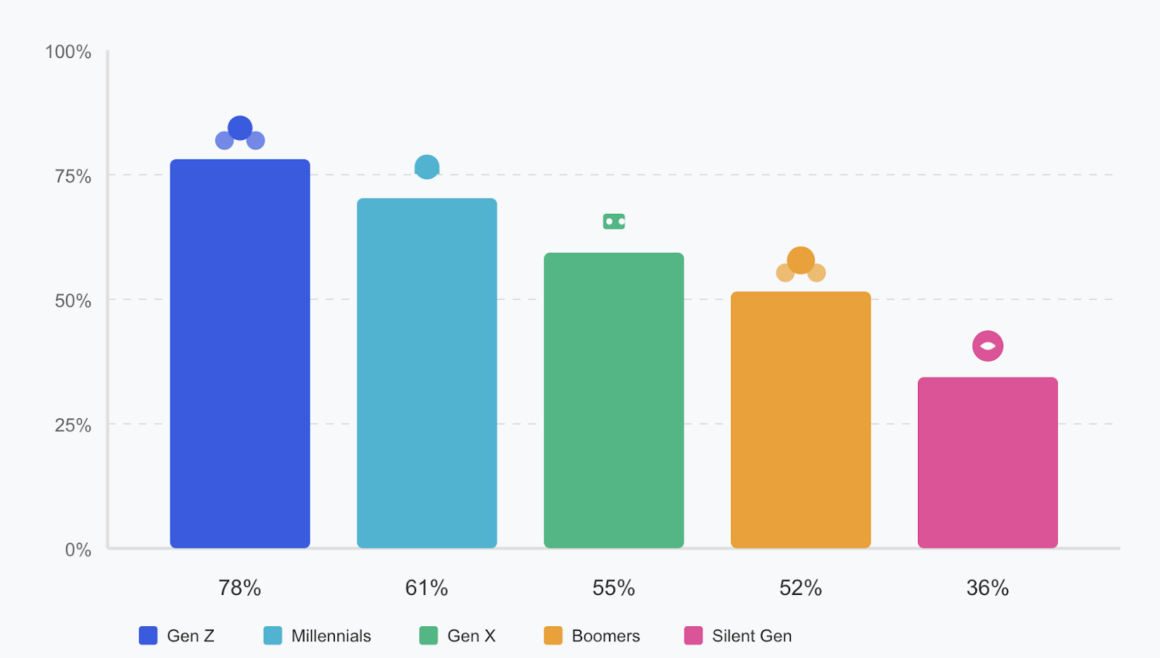
Parents discovered this too. Most parents (70%) play with their children, which creates experiences that are fun for all ages. 36% of grandparents aged 70-80 from the Silent Generation play games online with their grandchildren. This is a way for them to connect when they cannot visit in person.
The Comfort Revolution
When you go to a place, you have to follow the rules. This includes things like what you can wear, how loud you can be, and how many people can be there. Home entertainment offers great flexibility. Do you want to pause the experience for a toilet break? Done. Do you prefer sweatpants to jeans? No one’s judging. The environment changes to suit us rather than us having to change it.
This control goes beyond what is comfortable. Problems like being easily bothered by noise, feeling anxious around other people, and problems with movement are things that you don’t have to worry about when you’re at home. We make personalised spaces that are designed to be as enjoyable as possible. We offer custom lighting, preferred seating and temperature control. Luxury movie theaters just can’t compete with these tailored setups.
The weather doesn’t matter. Whatever the weather, you can still have fun. The consistency is really important, especially for people who have busy schedules, family commitments, or health issues that make it hard to go out at short notice.
Where Digital Variety Shines Brightest
The entertainment industry changed a lot. Physical venues might offer 3-4 activities, but digital platforms offer thousands. Fancy a puzzle tonight? What’s the plan for tomorrow? Is there going to be lots of action next week? The menu changes to suit your mood.
Play at Mateslots Casino exemplifies this evolution, offering over 9,000 distinct titles spanning pokies, table activities, live dealer experiences, and innovative crash formats. The variety isn’t just on the surface – each category has lots of mechanically unique experiences from over 70 developers, including Pragmatic Play, BGaming, and Platipus.
The platform started in 2025 with a Curaçao Gaming Authority licence, and it mainly targeted Australian players with AUD support and localised payment methods. Their approach is different from traditional gaming venues. Instead of requiring people to be physically present, everything runs smoothly through browsers or dedicated mobile applications. You can start playing with just AUD 30. This will give you full access to the whole library and a welcome bonus of AUD 9,000. You will also get 300 free spins for the first five deposits.
What makes their bonus system so clever is the daily cashback system. This means that you get 5-20% of your losses back on pokies when you’ve wagered at least AUD 50. On Thursdays, you can get unlimited free spins if you use the code WINFS. At the weekend, you can get a bonus when you deposit, just by using the code WEEKEND. And you will get birthday rewards automatically, based on how much you play. The loyalty programme lets you collect points. You can exchange these points for bonuses worth up to AUD 75,000 and 5,000 extra spins. They’ve made the whole experience like a game, with loads of rewards, which you can’t get in normal shops.
This level of depth – combined with instant access at any time – explains why digital platforms are so popular. There’s always something new to explore because new titles are constantly being added and old favourites are always there for you. That’s much better than places that always have the same old stuff.
Accessibility at Every Level
Perhaps the most revolutionary aspect: barriers to entry collapsed. In 2025, gaming is for everyone, not just the most dedicated fans with the most expensive computers. Mobile devices are very popular – about 2 billion people worldwide play games on their phones, even though they don’t usually use them for that.
Technology made entertainment available to everyone. In 2025, free-to-play games made a global total of AUD 92 billion, showing that you can still make money if you wait to invest. There are optional purchases, but you can still enjoy the main part of the game without spending any money. Try finding that model at concerts or sporting events.
| Gaming Platform | Initial Investment | Annual Costs | Accessibility Rating |
| Mobile | AUD 0 (existing device) | AUD 50-200 | Excellent – 2B users |
| Console | AUD 500-750 | AUD 180-300 | Good – established ecosystems |
| PC | AUD 800-2,500 | AUD 200-400 | Moderate – higher customization |
| Comparison: Traditional Entertainment | AUD 0-50 | AUD 2,400-4,800 | Variable – location dependent |
The skill floors also dropped. Tutorials, difficulty settings and assisted modes help new players compete with more experienced players. In the past, gaming was all about natural talent or a lot of practice. Now, modern games are made to be inclusive but still offer a challenge for those who want it.
Mental Engagement and Wellness
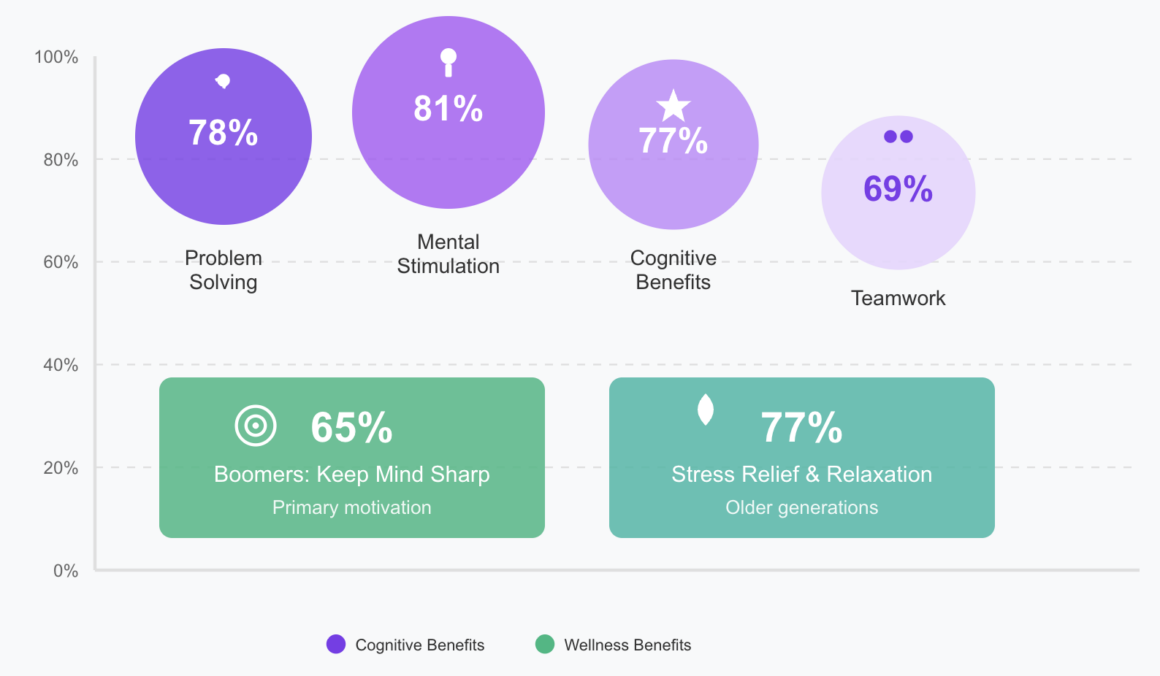
The idea that people just press buttons without thinking is a thing of the past. Today’s games need you to think strategically, manage your resources, use your spatial skills and make quick decisions. Researchers found that most adults recognise the cognitive benefits of gaming, and 65% of baby boomers play to keep their minds sharp.
This mental stimulation is especially important as people get older. In 2025, 36% of people aged 80-90 took part in the survey each week. They’re not just passing the time; they’re actively fighting cognitive decline through puzzle games, strategy titles, and memory challenges. The benefits of playing computer games are not just for older people. Younger people who play computer games can also improve their problem-solving skills (78% of adults agree), teamwork abilities (69%), and adaptability (60%).
It’s also important to mention stress relief. When you go to a place, you often feel more anxious because there are crowds, there is noise and you feel like you have to act in a certain way. When you play games at home, you have more control over what you’re doing. If you’ve had a tough day at work, this can be a good way to relax. Try some easy games to relax. Feeling adventurous? There are competitive matches to play in. We can naturally regulate our emotions by being in control of our own experiences.
The Time Factor Nobody Discusses
Time is our most precious resource, and traditional entertainment uses it up quickly. Add 30-60 minutes for getting ready, 20-40 minutes for travel each way, 15-30 minutes for waiting for friends, and suddenly three hours have gone before the entertainment starts. Anyone who has a lot on their plate finds it hard to be efficient.
Digital engagement makes things easier. Turn on the device, open the platform, and start playing – it takes less than five minutes. This efficiency gets better over time. If you can save 8-10 hours a month from your commute and preparation, you’ll have more time for hobbies, rest or getting things done.
Being flexible is just as important. Physical venues have fixed closing times. Digital platforms are always on. Do you work irregular hours? Night shift? Do you have a family and a job that keep you busy all the time? Entertainment is available whenever you want it, not just during business hours.
| Activity Type | Setup Time | Travel Time | Schedule Constraints | Total Overhead |
| Going Out | 30-60 min | 40-80 min roundtrip | Venue hours, friend coordination | 70-140 minutes |
| Gaming at Home | 3-5 min | 0 min | None – 24/7 access | 3-5 minutes |
| Efficiency Gain | 25-55 min | 40-80 min | Complete flexibility | 65-135 min saved |
The hours that are recovered add up to make days each year. Out of the blue, choosing home entertainment is less about avoiding going out and more about making the most of life by using your time smartly.
Safety and Health Considerations
No one likes to talk about difficult truths, but they are there. There are risks associated with physical venues. These include drunk drivers, overcrowding, secondhand smoke, noise-induced hearing damage and potential conflicts with strangers. We’re not trying to make people afraid. These are real concerns that affect the decisions we make.
At home, there are no risks. You don’t have to worry about getting back home safely at 2 a.m. You won’t catch any illnesses that are spreading in busy places (which is really important after the pandemic). Parents with young children try not to arrange childcare or take their kids to places that are not suitable. It’s better to feel safe than to say you don’t care.
Personal safety also means financial security. At busy places, people have had their cards taken, phones stolen and wallets lifted. At home, your belongings will be safe while you focus on enjoying yourself.
The Technology Keeps Evolving
What makes a brand more popular over time? Continuous innovation. Gaming technology keeps getting better all the time. Cloud gaming made hardware less important. Virtual reality has become a real thing – the VR market made AUD 7.8 billion in 2025, and experts think it will reach AUD 53 billion by 2030. Five years after it was released, Pokémon GO still had 147 million monthly active users.
These aren’t just gimmicks anymore. These technologies are advanced and allow people to experience things that aren’t possible in real life. Fly through space, explore ancient civilisations and solve impossible puzzles in environments that defy physics. Your imagination is the only limit.
At the same time, most traditional entertainment is not changing much. Bars still serve drinks. Clubs still play music. Theaters still show films. The basic experiences didn’t change for many years, even as digital platforms kept changing.
Community and Belonging
Most surprisingly, we found a sense of belonging through pixels and internet connections. Gaming communities are made up of people who share the same interests. These communities are often very active and passionate. Online communities like Discord servers, subreddits and streaming channels are always buzzing with conversation.
The make-up of the area’s residents also surprises. Around 47% of players are women. The average player is 36 years old and has been gaming for 18 years. These people aren’t just your typical basement dwellers. They’re parents, professionals, retirees, students, and everyone in between.
Streaming culture made this community aspect even stronger. In 2025, 1.42 billion people worldwide watched live game streaming. Twitch had 609 million users, YouTube Gaming had 482 million, and TikTok Live Gaming had 205 million. People don’t just play games – they share content, discuss it, create things and build relationships around the things they like.
Test Your Gaming Knowledge!
Quiz: How Well Do You Know Gaming Trends?
- What percentage of gaming revenue comes from free-to-play models in 2026?
- A) 45%
- B) 65%
- C) 85%
- D) 95%
- Which age group represents the largest segment of gamers globally?
- A) Under 18
- B) 18-34
- C) 35-50
- D) 50+
- How many people worldwide actively play games in 2026?
- A) 1.5 billion
- B) 2.3 billion
- C) 3.43 billion
- D) 4.2 billion
- What’s the projected gaming market value for 2026?
- A) $159 billion
- B) $225 billion
- C) $522 billion
- D) $691 billion
- What percentage of parents who play do so with their children?
- A) 42%
- B) 62%
- C) 82%
- D) 92%
(Answers at the end of article)
The Cultural Shift
We’re seeing big changes in culture. Gaming went from being just a hobby to being a mainstream form of entertainment, competing with other popular activities like film, music and sports. The global market reached AUD 522 billion in 2025 – this is more than the combined value of many traditional entertainment sectors.
This makes people more likely to accept them. Team-building activities for businesses include games. Schools and universities understand that this can help students learn better. Some healthcare providers give patients certain names for therapy. As more and more evidence showed that it was good for people, the stigma went away.
Younger generations are leading this cultural change, but older people are following suit. 54% of Generation X play PC and console games. Boomers reached 49% weekly play rates. The Silent Generation is 36%. These behaviours are not unusual – they are common among people of all ages.
Why “Going Out” Evolved
Our thesis isn’t that physical venues died – they’re just not the first choice anymore. Sometimes we want to listen to live music, have a chat with someone, or see something new. Those desires are still valid.
But the cost-benefit analysis changed a lot. Digital entertainment offers similar social interaction, more variety, better value, greater convenience, and increased safety. Most people would rather stay at home and watch TV or go online than go out and do something fun. They would only go out on special occasions, and they would pay more for these.
This is an improvement, not a step backwards. We’re making life better by using our resources in the best way. The AUD 2,500-3,500 saved each year by choosing home entertainment funds can be spent on experiences we really value, such as vacations, concerts, or quality time with loved ones. This is much better than spending the money on a typical Friday night.
Summary
The question “why choose games over going out?” does not show the whole picture. We’re not choosing between social interaction and isolation. We’re choosing between different ways of doing social media, different ways of delivering entertainment, and different ways of offering value.
Digital platforms won this comparison because they never stopped innovating, were better value for money, and understood what modern audiences wanted: flexibility, variety, accessibility, and real connection without unnecessary extra costs.
The 3.43 billion gamers around the world were right. We knew when we saw it that it was worth the money, and we spent our time and money on it. Old-style entertainment venues should take note: if you want to stay popular, you need to change. Meanwhile, we’ll be here, controllers in hand, connected to friends across continents, saving thousands annually while enjoying entertainment quality that’s better than anything available down the street.
Are you ready to see what we’re talking about? The digital revolution is open to everyone, no matter what your experience or budget. Start small, explore freely, and discover why millions made the same choice we did.
Quiz Answers:
- C) 85% – Free-to-play models generated approximately 85% of all gaming revenue in 2025
- B) 18-34 – This demographic represents 38% of all gamers globally, making it the largest segment
- C) 3.43 billion – Over 3.43 billion people worldwide actively participate in gaming in 2025
- C) $522 billion – The global gaming market reached $522.46 billion in 2025
- C) 82% – An impressive 82% of parents who play video games do so with their children
More Stories
When Could Sustainable Packaging Change Consumer Preferences For Mylar Magic?
Modern Recliner Sofas for Comfortable and Practical Living Rooms
How to Read a Kratom Lab Report Against the Proposed 7-OH LimitsGloved hands using a micropipette to spot a sample onto a thin-layer chromatography plate in a lab