

When we think about decorating our homes, we usually think of gallery walls, velvet sofas, and the right shade of sage green for the kitchen cabinets. We pay attention to the “skin” of the house. But the best changes to the inside of a house, especially those that use the basement more, go much deeper than the paint. For many people who live in older cities, the dream of a big entertainment room or a quiet home office is often not possible because of a low ceiling and a cramped, dark space. To really make these underground spaces look nice, you first need to fix the room’s structural volume.
The Modern Basement’s Architectural Canvas
Your basement shouldn’t feel like a prison. In modern interior design, the goal is to make the lower level feel like the same quality and height as the main floor. The ceiling height is usually the biggest problem. Older homes often had basements that were only meant to be used for storage or to hold mechanical systems like water heaters and furnaces. These basements had clearances of six feet or less. No amount of white paint or smart lighting can make up for a ceiling that feels like it’s pushing down on you.
This is where the idea of structural lowering comes in. When you lower the floor, you change the room’s proportions, which makes it possible to fit in bigger furniture, taller windows, and a much more welcoming space. When you go down into the ground to get those extra two or three feet of vertical space, you are basically reinforcing the foundation. This structural work is the perfect “blank canvas” for a high-end decorating project.
Getting to Know Your Structural Choices
When you plan to expand your basement, you will probably come across two main ways to keep the foundation stable while digging down the floor. The choice you make will have a big impact on the final layout and feel of your decor. The Benching vs Underpinning debate is one of the most important conversations you will have with your design-build team because it will determine how much usable square footage you will actually have.
People who want a completely smooth, modern look often think of underpinning as the “gold standard.” This process includes digging out parts of the ground below the current foundation footings and pouring new concrete “legs” to support the house at a deeper level. The end result is a basement with walls that are perfectly flat from floor to ceiling. This is perfect for decorating. It lets you have shelving from wall to wall, cabinets that fit together perfectly, and an open floor plan that feels like a natural part of the house.
Benching (or bench-footing), on the other hand, is a method that leaves the existing foundation alone and builds a new “bench” of concrete inside the perimeter to strengthen the structure as the floor is lowered. This makes a permanent ledge all the way around the room. Some people think this takes up floor space, but a creative person sees it as a unique architectural feature. You can cover that bench with reclaimed wood to make a long, wraparound bookshelf, or you can use it as part of custom upholstered seating for a home theater.
How Volume Affects Light and Air
Once you decide to do Basement Underpinning, the number of ways you can decorate grows by leaps and bounds. The quality of the light is the most noticeable change. Window wells are small in a shallow basement and don’t let in much natural light. You can put in much bigger “sub-grade” windows when you lower the floor and raise the wall height.
Height also makes it possible to put in more advanced lighting fixtures. If your ceilings are low, you can usually only use recessed “pot lights.” These lights work, but they can sometimes feel sterile. If your basement ceiling is eight or nine feet high, you can put in statement chandeliers over a pool table, pendant lights over a wet bar, or even a tiered tray ceiling with hidden LED cove lighting. This vertical space makes a “volume” that lets air flow more freely, getting rid of that “damp basement” feel and replacing it with the clean, fresh feel of a high-end lounge.
Making Floors and Walls Comfortable
Now that the structural work is done, the focus is on the materials that will shape the space. Because basements are always in contact with the ground, the decor choices must be both pretty and strong.
Flooring: Now that you’ve already lowered the floor, this is the best time to put in radiant in-floor heating. The best thing about having a basement is being able to walk on a warm floor in the middle of winter. For the surface, think about polished concrete for a modern, industrial look or luxury vinyl plank (LVP) for a wood look that is also waterproof.
Wall Treatments: Because underpinning makes your walls perfectly flat and tall, you can play with how tall they are. Shiplap or elegant wainscoting that goes from the floor to the ceiling can draw the eye up, making the room feel taller. If you chose the benching method, think about using a different material for the “bench” to make it a design statement instead of just a structural need.
The “Hidden” Decor: Stealth Storage and Mechanicals
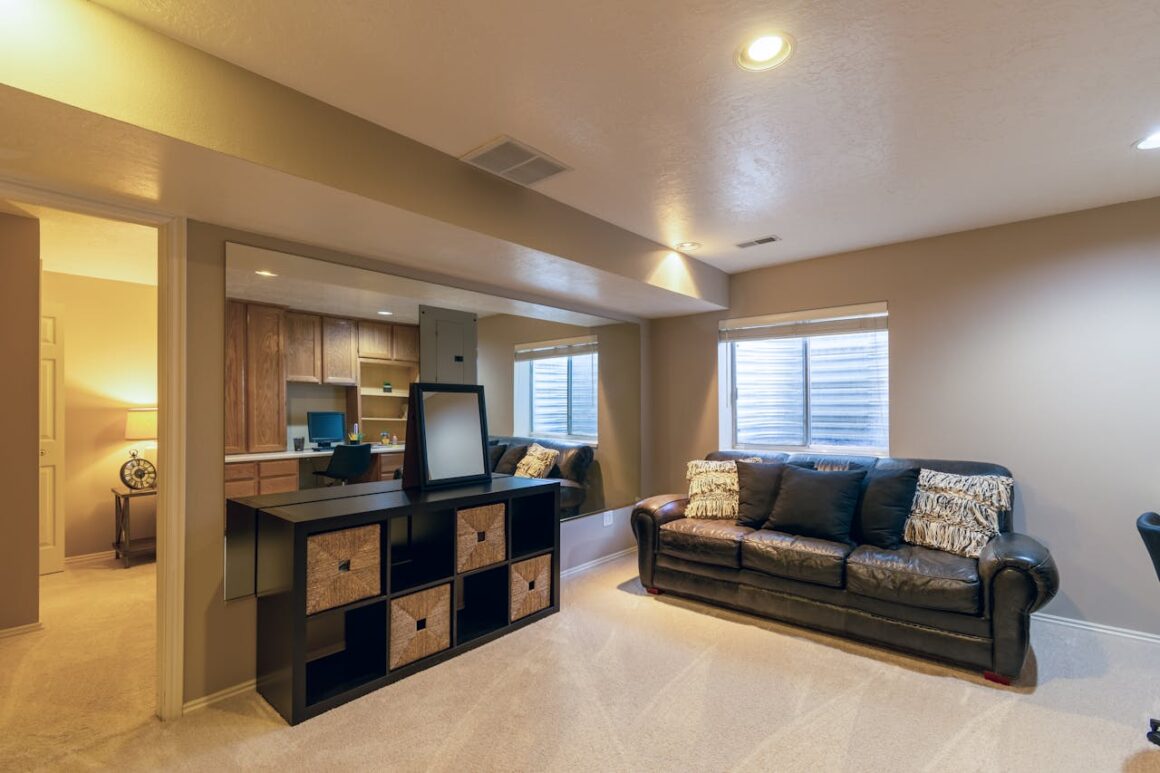
A good renovation also means hiding things we don’t want to see. When you lower the floor, it usually gives you enough space to “bulkhead” the HVAC ducts and plumbing into the edges of the ceiling instead of cutting across the middle of the room. A well-designed basement uses these bulkheads to make the room more interesting architecturally. For example, they could echo the shape of the room or separate different “zones,” like a gym area from a lounge area.
The last piece of the puzzle is storage. When the basement is underpinned, the walls are ready for built-ins that are made to order. Imagine a library wall with a ladder that rolls up and down or a door that leads to a wine cellar that is hidden. These things add a story to your home decor, making the basement feel less like a renovated utility room and more like a carefully chosen place to relax.
A History of Quality
Investing in the bones of your home is a different way to decorate your home. It’s a way to invest in the “soul” of the house. The space you make with Basement Underpinning will always be there, even though furniture styles will change over time. It gives you the height, the light, and the freedom to decorate however you want.
The space itself is the most important part of your design, whether you’re hosting a fun game night, setting up a quiet yoga studio, or building a cutting-edge movie theater. You can make sure that your basement is more than just a place to store old boxes by learning about the structural options and aesthetic benefits of a deeper foundation.
More Stories
When Could Sustainable Packaging Change Consumer Preferences For Mylar Magic?
Modern Recliner Sofas for Comfortable and Practical Living Rooms
How to Read a Kratom Lab Report Against the Proposed 7-OH LimitsGloved hands using a micropipette to spot a sample onto a thin-layer chromatography plate in a lab