Have you ever stumbled upon an art form so ancient that it feels like a forgotten secret waiting to be unveiled? Well, get ready because today we’re diving into the mesmerizing world of Rasnkada. This art isn’t just about colors on a canvas: it’s a vibrant tapestry woven with history, culture, and creativity. Buckle up, as we take you on a journey through time, exploring a heritage that’s as enchanting as it is enlightening.
Rasnkada boasts a rich history that traces back centuries, rooted in the traditions of diverse communities. Its origins are often debated among scholars, with some speculating it began as a means of storytelling. Imagine artists painting narratives through strokes that captured emotions and events, echoing the past in vivid colors. Over the years, we can see Rasnkada evolving, influenced by local cultures and customs. It’s fascinating to think how these paintings were not merely decoration: they held significance in rituals, celebrations, and daily life.
Cultural Significance
Rasnkada is not just an art form: it’s a cultural vessel. For many communities, these artworks celebrate identity and heritage. They tell stories of our ancestry, each brushstroke imbued with the essence of tradition. When we look at Rasnkada, it’s like peering into a window of cultural practices, beliefs, and values. These artworks often depict deities, festivals, and nature, resonating deeply with the viewers. They remind us that art is a universal language, bridging gaps across generations and fostering understanding.
Techniques and Materials Used
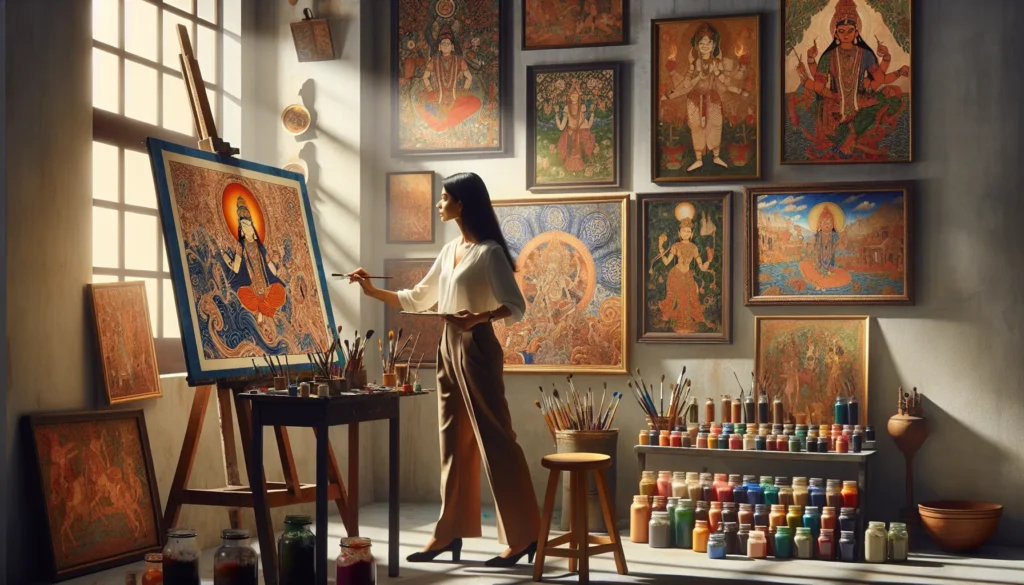
What makes Rasnkada unique are the techniques and materials artists employ. Traditionally, practitioners used natural pigments, sourced from plants, minerals, and even insects. We can visualize vibrant hues created from crushed flowers or rich greens extracted from leaves. The application methods vary: artists often use fine brushes to achieve intricate details, reflecting a painstaking dedication to their craft. The texture and depth in each piece invite us to admire not just the final artwork but the labor of love that went into its creation.
rasnkada
In today’s world, Rasnkada is undergoing a renaissance. Contemporary artists are reinterpreting this ancient art form, blending traditional techniques with modern themes. We see new subjects emerging, urban life, socio-political commentary, and global issues, all framed in the Rasnkada style. This fusion not only revitalizes the art form but also invites a younger audience to engage and appreciate its beauty. It’s thrilling to witness how Rasnkada is evolving while still honoring its roots, creating a bridge between the past and the present.
Preservation Efforts
As custodians of culture, we have a responsibility to preserve Rasnkada for future generations. Various organizations and artists are actively working toward this goal. Through workshops, exhibitions, and educational programs, they’re not just keeping the art alive: they’re nurturing appreciation among new artists. It’s heartening to see communities rallying together to safeguard this heritage. Each effort counts: fostering an environment where art can flourish is crucial in ensuring that Rasnkada continues to inspire.



More Stories
When Could Sustainable Packaging Change Consumer Preferences For Mylar Magic?
Modern Recliner Sofas for Comfortable and Practical Living Rooms
How to Read a Kratom Lab Report Against the Proposed 7-OH LimitsGloved hands using a micropipette to spot a sample onto a thin-layer chromatography plate in a lab