
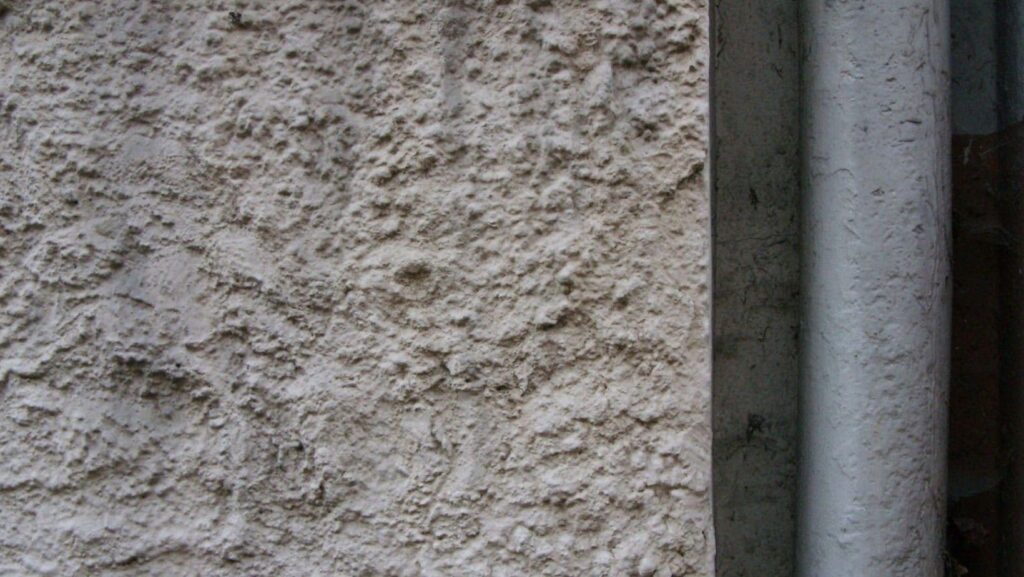
Unlike rigid cement-based finishes, EIFS combines a foam insulation board, reinforcing mesh, and an acrylic stucco topcoat that flexes with temperature swings. This system dramatically reduces thermal bridging, resists cracking during freeze-thaw cycles, and sheds moisture before it penetrates your walls. When installed correctly, it can last 50 years or more, making it one of the smartest exterior choices for year-round protection.
Table of Contents
- What Makes EIFS Stucco the Ultimate Year-Round Shield
- Pro Tips for Maintenance, Repair & Contractor Selection
- Final Thoughts: Long-Term Value Over Short-Term Cost
Calgary winters bite – and so do sudden Chinooks, spring hailstorms, and humid summers. Home exteriors here aren’t just decorative; they’re defensive systems.
That’s why savvy homeowners and developers are turning to engineered solutions like EIFS stucco in Calgary – not as a luxury, but as a necessity for year-round structural integrity and energy efficiency. And when installed correctly by experienced EIFS contractors, it can outlast traditional siding by decades – with far less maintenance.
What Makes EIFS Stucco the Ultimate Year-Round Shield
EIFS(Exterior Insulation and Finish System) isn’t just another option – it’s a complete building envelope solution engineered for resilience. Where traditional finishes fail under pressure, EIFS adapts. Its multi-layered architecture doesn’t just cover your walls – it protects, insulates, and breathes with them. That’s why it’s increasingly specified by architects and builders across Canada, not just for aesthetics, but for performance that lasts decades.
The Layered Science Behind EIFS Cladding System
At its core, EIFS is a stucco insulation system built in layers – each with a specific, critical function:
- Insulation Board (EPS or XPS Foam)
Attached directly to the sheathing, this rigid foam layer stops thermal bridging – the invisible energy thief that drives up heating bills. R-values typically range from R-4 to R-5.6 per inch, far exceeding traditional stucco. - Base Coat with Fibreglass Mesh
A polymer-modified cementitious layer embedded with alkali-resistant mesh. This adds tensile strength and impact resistance while allowing slight flex – critical for surviving freeze-thaw cycles without cracking. - Finish Coat (Acrylic)
The visible layer isn’t cement – it’s an acrylic-based, textured coating. It’s UV-resistant, colourfast, and water-repellent, yet vapour-permeable to let trapped moisture escape. - Optional Drainage Plane
In moisture-prone zones or high-risk installations, a water-resistive barrier (WRB) and drainage mat can be added behind the insulation board – turning EIFS into a “drainage EIFS” system that channels water away from the structure.
This isn’t guesswork. It’s building science – designed to manage heat, moisture, and movement simultaneously.
Acrylic vs. Traditional Cement-Based Finishes
Let’s be clear: acrylic stucco and traditional cement are not interchangeable. Here’s how they compare under Canadian conditions:
| Feature | Acrylic | Traditional Cement |
| Flexibility | High – moves with structure | Low – rigid, prone to cracking |
| Insulation Value | High (integrated foam board) | None (unless added separately) |
| Water Resistance | Excellent – sheds & breathes | Poor – absorbs, traps moisture |
| Maintenance | Low – occasional rinse | High – patching, repainting |
| Lifespan | 50+ years (if maintained) | 20–30 years (with repairs) |
| Installation Complexity | Moderate – requires trained EIFS contractors | Simple – widely known technique |
Acrylic stucco’s elasticity is its superpower. It expands and contracts with your home’s framing – no hairline cracks after the third winter. And because it’s factory-tinted, fading is minimal, even after 15 years of prairie sun.
Real-World Performance in Extreme Weather Zones
Canada’s climate is a stress test. EIFS doesn’t just pass – it excels.
- Winter: The insulation layer reduces heat loss by up to 30%, lowering furnace runtime. The finish coat remains flexible even at -40°C, resisting ice-jacking and wind-driven snow infiltration.
- Spring Thaw: Unlike porous cement stucco, acrylic sheds meltwater quickly. Paired with proper flashing and (if needed) a drainage plane, it prevents rot and mould behind the cladding.
- Summer Storms: Impact-resistant mesh and reinforced base coat shrug off hail and wind-blown debris. No spalling. No crumbling.
- Fall Winds: Seamless installation around windows and penetrations eliminates drafts and air leaks – a major source of energy waste in older homes.
Pro Tips for Maintenance, Repair & Contractor Selection
Even the most advanced cladding system needs proper care – and the right hands behind its installation. EIFS is low-maintenance, not no-maintenance. And while it’s engineered to endure, poor installation or neglected upkeep can compromise its performance. Here’s what every homeowner should know to protect their investment.
Routine Maintenance That Extends EIFS Lifespan
EIFS stucco thrives on simplicity. Unlike traditional finishes that demand repainting or patching every few years, acrylic typically needs little more than:
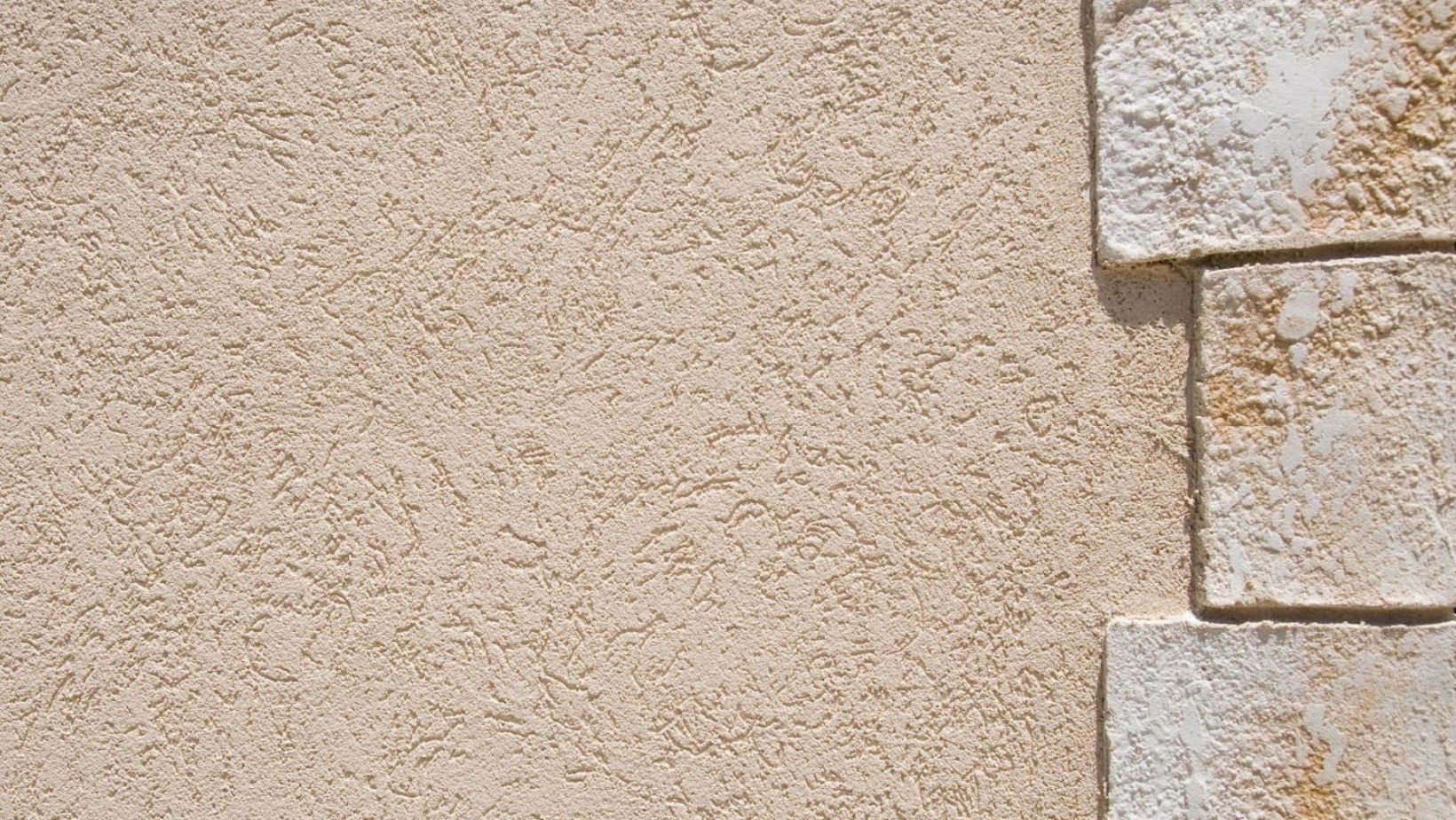
- Annual Rinse: Use a garden hose or low-pressure washer (under 500 PSI) to remove dust, pollen, and mildew. Avoid high-pressure washers – they can force water behind the finish coat.
- Visual Inspection: Check twice a year – spring and fall – for sealant gaps around windows, doors, and penetrations. Re-caulk with high-quality, paintable silicone as needed.
- Gutter & Downspout Care: Ensure water is directed away from walls. Standing water at the base of EIFS can lead to moisture intrusion over time.
- Landscaping Buffer: Keep shrubs and sprinklers at least 12 inches from the wall surface. Constant moisture exposure invites mould and degrades sealants.
With these simple habits, your EIFS system can easily surpass the 50-year mark, requiring no major interventions.
Recognizing When EIFS Repair Is Needed
Not all damage is visible – and not all visible flaws are emergencies. Here’s how to read the signs:
- Soft or Spongy Spots: Press gently on the wall. If it gives, moisture may be trapped behind the insulation board. This requires immediate assessment.
- Cracks Wider Than Hairline: Acrylic can handle micro-movement, but cracks wider than 1/16 inch may indicate structural shift or poor installation.
- Discolouration or Staining: Especially near joints or at the base of walls – often a sign of water bypassing flashings or sealants.
- Peeling or Blistering Finish: Rare with quality acrylic stucco, but if present, it suggests adhesion failure – usually due to improper surface prep during EIFS installation.
Minor surface scratches or scuffs? Usually cosmetic. Deep structural concerns? Time to call in qualified EIFS contractors – not general handymen.
Choosing the Right Contractor – What Matters Most
Not all applicators are trained in EIFS. This isn’t a DIY project or a job for “someone who’s done stucco before.” Look for:
- Manufacturer Certification: Reputable EIFS brands (Dryvit, Sto, Senergy) require installers to complete training. Ask for proof.
- Drainage System Experience: If your home is in a high-moisture zone or has complex architecture, drainage EIFS is non-negotiable. Ensure they’ve installed it before.
- Warranty & Insurance: They should carry liability insurance and offer a workmanship warranty – not just a materials warranty from the manufacturer.
- Local References: Ask for 2–3 local projects completed in the last 12–24 months. Visit them if possible. Look for clean transitions, intact sealants, and no staining.
A skilled contractor doesn’t just apply layers – they engineer a weather-resilient system tailored to your home’s exposure, orientation, and regional climate.
Final Thoughts: Long-Term Value Over Short-Term Cost
Choosing an exterior cladding system isn’t about picking the cheapest bid – it’s about investing in decades of performance, comfort, and peace of mind. EIFS stucco may carry a higher upfront cost than traditional finishes, but its long-term value is undeniable. When you factor in energy savings, reduced repair frequency, and extended lifespan, the math shifts dramatically in its
Ultimately, the smartest choice isn’t always the flashiest or the cheapest. It’s the one that works silently in the background – keeping your home warm in January, cool in July, dry in April, and looking sharp for decades. That’s why EIFS remains the intelligent, future-proof choice for homeowners who think beyond the next season – and plan for the next half-century.
More Stories
Planning a Major Backyard Renovation: From Fencing to Outdoor Lighting
How Stainless Steel Supports Modern Industry and Manufacturing
Prevailing Wage Compliance for Contractors Bidding Federal Work for the First Time