
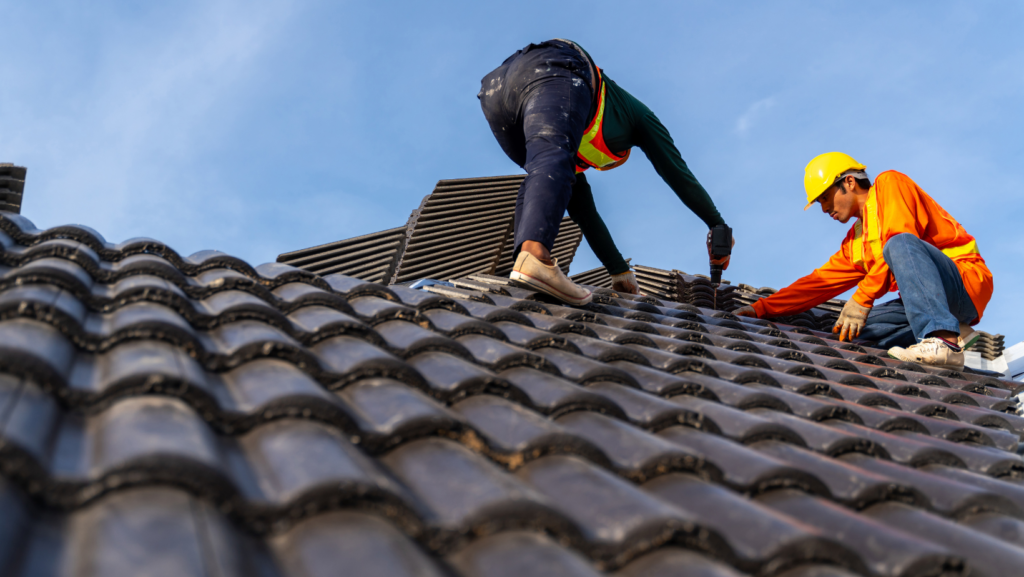
Replacing your roof is one of the most significant investments you’ll make in your home. And in 2026, navigating the process means understanding a crucial, non-negotiable step: the building permit. It’s more than just paperwork; it’s a vital layer of protection for your property.
This guide moves beyond the simple “yes, you need a permit” to explain the specific, modern codes an inspector will enforce and why they are more important than ever.
Why a Roofing Permit is Non-Negotiable in 2026
For any complete roof replacement, known as a “tear-off”, a permit is almost universally required. Small repairs may be exempt, but a full replacement is a structural project. The permit process triggers independent inspections that verify the work is being done to current safety and durability standards. Skipping this step exposes you to significant financial and legal risk.
The Tear-Off Inspection: The Most Important Part of Your Roof Replacement
The single most critical moment of your roof replacement happens right after the old shingles are removed. Before any new material is laid down, an inspector must approve the condition of the underlying roof deck, or sheathing. This is what they’re looking for, particularly when upgrading to durable systems like Colourbond roofing:
- Rot and Water Damage: Any soft, sagging, or delaminated wood panels must be replaced. Covering them up is a catastrophic mistake.
- Proper Nailing: The sheathing must be securely fastened to your roof trusses according to a specific nailing pattern.
- Deck Thickness and Type: The sheathing must be the correct thickness to support the weight of the new roofing replacement material.
This inspection is your only guarantee that your new, expensive shingles are being installed on a solid foundation. This is a point of overwhelm for many homeowners, but remember: a good contractor will plan for potential decking replacement in their initial quote.
Climate-Proofing Your Roof: How Wind, Hail, and Fire Are Shaping Codes
Building codes are evolving to address the reality of more extreme weather. In 2026, where you live heavily influences the specific requirements for your roof.
- For High-Wind & Hurricane Zones (e.g., Florida, the Gulf Coast): Expect codes to mandate specific high-wind nailing patterns (often 6 nails per shingle), require sealed roof decks, and enforce strict installation of drip edges and flashing to prevent wind-driven rain infiltration.
- For Hail-Prone Areas (e.g., Colorado, Texas, the Great Plains): While not always mandatory, codes are increasingly encouraging or incentivizing the use of Class 4 impact-resistant shingles, which can withstand significant hail and may earn you an insurance discount.
- For Wildfire-Prone Regions (e.g., California, the Mountain West): Codes demand Class A fire-rated roofing systems, which include not just the shingles but the entire assembly, to prevent embers from igniting your roof.
The Warranty Trap: Why Code Compliance Isn’t Enough
This is a critical insight from our internal project dataset: a code-compliant roof does not automatically mean your manufacturer’s warranty is valid. Most shingle manufacturers have installation requirements that are even stricter than the baseline building code.
If your contractor uses the wrong type of underlayment, an incorrect number of nails, or improper flashing techniques, your 30-year warranty could be void from day one. A permit inspection checks for code, not for the brand-specific rules. It is essential to get a written statement from your contractor that the installation will follow all manufacturer specifications to the letter.
How to Find Your Local Roofing Replacement Codes and Verify Your Contractor’s Plan
Your local municipal building department is the ultimate source of truth. A quick search for “roofing permit requirements” in your city will typically lead you to a checklist. Before signing a contract, ensure your contractor’s proposal explicitly details the materials and methods they will use for decking, underlayment, ice and water shield, and shingle fastening, and confirm it aligns with both local code and the manufacturer’s rules. This due diligence ensures your investment is protected by a reputable professional.
Why Mr. Remodel? Putting Data into Action
The insights in this article come directly from our deep experience nationwide. We believe homeowners deserve transparent, data-driven advice before making a major investment. That is the core of our process.
What MrRemodel.com Does
- We connect you with real, local remodeling contractors who want your project.
- You tell us what you need. We send it to licensed and insured pros in your area.
- Those contractors give you real price estimates, not ads or ballpark numbers.
- You choose who to talk to. There is no obligation to hire anyone.
What MrRemodel.com Is Not
- We are not a contractor and we do not do the work ourselves.
- We are not a handyman service or for small repair jobs.
- We are not a spam site that sends your info to 20 companies.
- We are not the cheapest at all costs option. Quality matters.
Why Homeowners Use MrRemodel.com
- Save time. No calling around.
- Talk only to contractors who actually want your job.
- Compare real options before deciding.
- Free to use. No pressure.
Ready to start your project with a team that values data and transparency? Apply through MrRemodel.com today for a free, no-obligation quote.
More Stories
MobileHomeExteriors.com: The Complete 2026 Guide To Upgrading, Repairing, And Protecting Your Mobile Home Exterior
Harry Moore Mobile Home Exteriors: The 2026 Guide To Repairs, Siding, And Upgrades
How To Reach Bobby Kane At MobileHomeExteriors: Phone Numbers, Best Times To Call, And Alternatives (2026)