
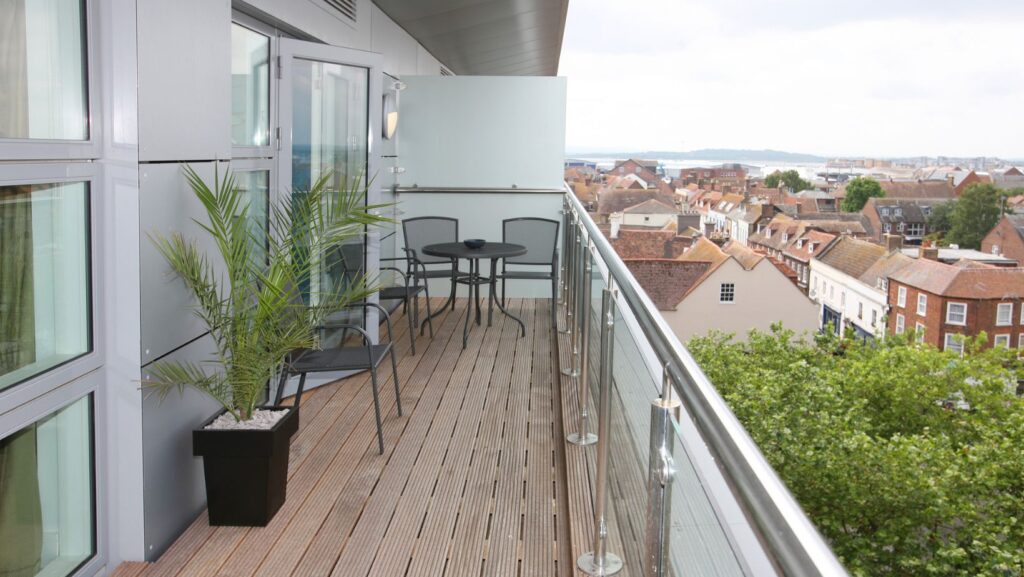
Hotel balconies offer guests some of the most memorable moments of their stay. Whether overlooking ocean waves, city skylines or quiet garden courtyards, these outdoor spaces contribute significantly to the guest experience. For designers and hospitality procurement teams, selecting the right balcony furniture is about far more than choosing attractive pieces. It is a strategic decision that impacts comfort, durability, safety and brand identity.
Commercial-grade balcony furniture must be engineered for long-term performance, especially when exposed to strong sun, humidity, wind and frequent use. Trade-only manufacturers such as Walters Wicker and its outdoor division, Walters Outdoor, have long shaped the standard for hotel balcony design. Their collections demonstrate how materials, form and construction influence the quality and longevity of outdoor spaces in hospitality settings.
Below is a closer look at what designers prioritize when specifying luxury balcony furniture for hotels, and why these decisions matter.
1. Materials must withstand extreme outdoor exposure
Balconies experience higher environmental stress than other outdoor areas. Sun reflects off building surfaces, wind pressure is stronger at higher elevations and humidity accumulates quickly in confined exterior environments.
Designers rely on materials proven to perform in these conditions, including:
- Teak, valued for its moisture resistance and long-term stability
- Powder-coated aluminum, known for corrosion resistance and modern aesthetics
- High-performance rope, engineered to withstand UV exposure and maintain tension
- All-weather woven fibers, offering texture without structural weakness
These materials appear throughout Walters Outdoor collections because they maintain their form and appeal across years of guest use.
2. Furniture scale must fit the footprint of the balcony
Hotel balconies vary widely in size. Penthouse suites feature spacious terraces, while standard guestrooms may include compact balconies that require careful planning.
Designers consider:
- Proportions that allow comfortable movement
- Seating heights that support a variety of guests
- Lightweight pieces that are easy to reposition
- Options that do not obstruct views
Selecting the right scale ensures that balcony furniture enhances the space rather than crowding it. This balance is especially important for properties with hundreds of guestrooms, where consistency must be maintained without sacrificing comfort.
3. Comfort drives guest satisfaction
Balcony seating is often used for morning coffee, evening relaxation and quiet reading moments. Comfort is essential, even when space is limited.
Hospitality designers typically specify:
- Ergonomic seat angles
- Cushions built with quick-dry foam
- Breathable performance fabrics
- Supportive frames that retain shape over time
These considerations help create a refined guest experience. Commercial outdoor seating designed for hospitality use retains comfort through repeated daily use, which is crucial for hotel operations.
4. Design should align with the property’s identity
Hotel balcony furniture is an extension of the guestroom experience. It reflects the aesthetic tone of the property and reinforces brand values.
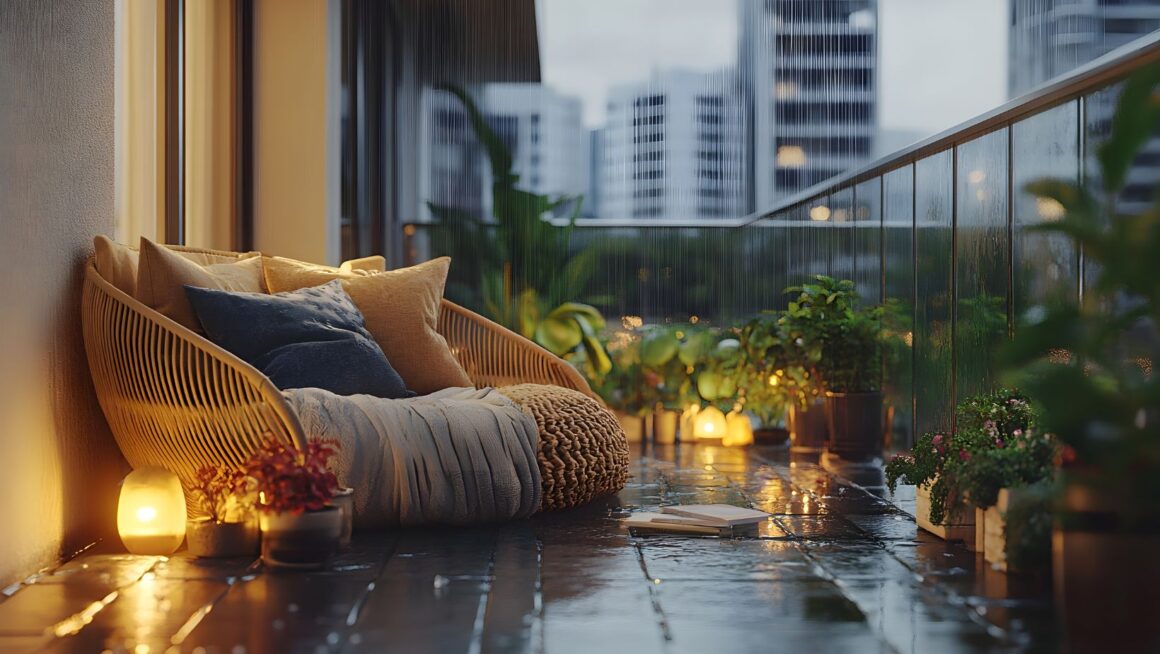
For this reason, designers choose furniture that complements architectural style, whether modern, coastal, urban or resort-inspired. Mixed materials, such as teak combined with rope or aluminum, help achieve a cohesive look by blending natural warmth with contemporary structure.
Collections produced by companies like Walters Wicker demonstrate how mixed materials bring visual harmony to multiple outdoor zones, including balconies.
5. Stability and safety are essential considerations
Unlike ground-level environments, hotel balconies require furniture that prioritizes stability. High winds and elevated exposures create safety concerns not found in other outdoor spaces.
Key safety considerations include:
- Frame integrity under wind pressure
- Weight distribution that prevents tipping
- Smooth edges and joinery
- Materials resistant to movement during storms
Commercial-grade balcony furniture is engineered with these factors in mind, reducing liability risks and maintaining guest safety.
6. Space planning improves usability
Even small balconies benefit from thoughtful layout planning. Designers optimize flow by selecting furniture that supports natural movement and clear sightlines.
Common layout strategies include:
- Pairing two lounge chairs with a small side table
- Choosing a low-profile bistro set for dining terraces
- Using armless seating to maximize movement in tight footprints
- Ensuring views remain unobstructed from key seating positions
Properties that refine their layouts create more inviting and functional balcony environments regardless of size.
7. Weather-resistant textiles extend longevity
Fabrics used outdoors must withstand sun exposure, moisture and daily use. Performance textiles designed for hospitality environments are engineered for this purpose.
Designers select textiles based on characteristics such as:
- UV resistance
- Quick drying capability
- Mold resistance
- Breathability for comfort
Balcony environments benefit from cushions and textiles that remain comfortable even in high-humidity regions.
8. Long-term durability reduces operational costs
Hotels and resorts must consider the operational lifespan of balcony furniture. Collections made from durable materials help reduce replacement cycles, conserve budgets and preserve the visual identity of the property.
Commercial-grade furniture provides:
- Strong structural reinforcement
- Consistent appearance over time
- Lower long-term maintenance
- Higher guest satisfaction
These qualities make it easier for hospitality teams to maintain elevated outdoor spaces without frequent intervention.
Balcony design that elevates the guest experience
Luxury hotel balconies serve as personal retreats for guests. Every aspect of the furniture, from the materials to the proportions, shapes how that experience unfolds. Designers who choose commercial-grade materials like teak, aluminum and woven fibers help ensure durability and comfort, even in challenging climates.
Trade-only manufacturers such as Walters Wicker and Walters Outdoor provide a strong foundation for understanding how to design balcony environments that feel elevated, consistent and built for long-term use. Their emphasis on hospitality performance demonstrates what it means to create outdoor spaces that remain beautiful and reliable through many seasons.
As hotels invest more deeply in outdoor amenities, balcony furniture will continue to play a defining role in shaping the guest experience.
More Stories
Basement Finishing Ideas That Transform Unused Space Into Wellness Retreats
What to Know Before Starting a Condo Painting Project
1xBet Sports Betting Guide: Strategies for Beginners