
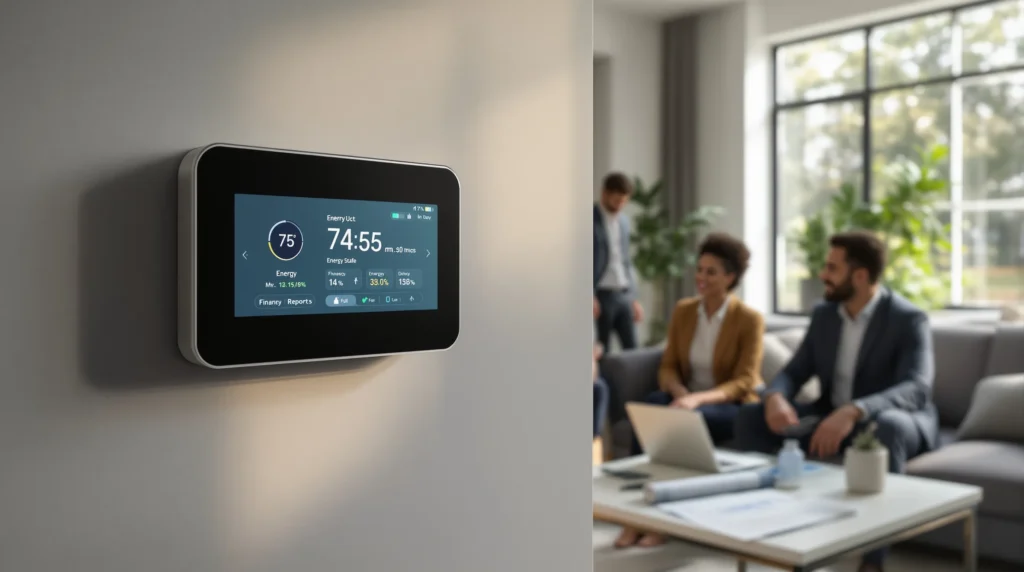
Picture this: It’s January, your breath fogs in the hallway, and your heating bill just hit triple digits. You stare at your old thermostat, wondering if a smart thermostat could finally save you money—or if it’s just another gadget with big promises. If you’ve ever asked, “Does a smart thermostat save money?” you’re not alone. Let’s break it down with real numbers, honest stories, and a few surprises.
What Is a Smart Thermostat, Really?
Forget the buzzwords. A smart thermostat is a device that lets you control your home’s temperature from your phone, learns your habits, and adjusts heating and cooling automatically. Models like the Google Nest, Ecobee, and Honeywell Home are everywhere. But does a smart thermostat save money, or is it just a fancy wall decoration?
How Smart Thermostats Claim to Save You Money
Manufacturers say you’ll save 10% to 23% on heating and cooling. That’s not pocket change. The idea is simple: smart thermostats cut waste. They turn down the heat when you’re gone, warm things up before you get home, and avoid running the AC when you’re asleep. But do these claims hold up in real homes?
Real-World Savings: The Numbers
Let’s get specific. According to the U.S. Department of Energy, you can save about 1% on your energy bill for every degree you lower your thermostat for eight hours. Smart thermostats make this easy by automating those changes. Nest claims users save an average of $131 to $145 per year. Ecobee says its users save up to 26% on heating and cooling costs. But here’s the part nobody tells you: your results may vary—sometimes a lot.
Who Actually Saves Money with a Smart Thermostat?
If you’re the type who already programs your old thermostat and never forgets to turn it down, a smart thermostat might not save you much. But if you’re like most people—busy, distracted, or just not a fan of fiddling with settings—this device can help. Here’s why:
- Automatic scheduling: It learns when you’re home and away.
- Remote control: Forgot to turn off the heat before vacation? Fix it from your phone.
- Energy reports: See exactly when you’re using the most energy.
- Geofencing: Some models use your phone’s location to adjust the temperature as you come and go.
Personal Story: The “Oops, I Left the Heat On” Moment
Last winter, I left for a weekend trip and forgot to turn down the heat. My old thermostat kept the house toasty for two empty days. That mistake cost me about $15. With a smart thermostat, I could’ve fixed it from the airport. Multiply that by a few slip-ups a year, and you see how the savings add up.
Does a Smart Thermostat Save Money in Every Home?
Here’s the truth: not every home will see the same savings. If your house leaks heat like a sieve, or your HVAC system is ancient, a smart thermostat can only do so much. It’s not magic. But in a reasonably insulated home with a modern heating and cooling system, the savings can be real.
Factors That Affect Your Savings
- Home insulation: Drafty homes lose heat fast, so savings drop.
- HVAC efficiency: Old systems waste energy, no matter how smart your thermostat is.
- Climate: If you live somewhere mild, you’ll save less than someone in Minnesota.
- Household habits: If you’re always home, there’s less room to cut back.
What Nobody Tells You About Smart Thermostats
Here’s the part that gets glossed over: smart thermostats can be a little needy. They need Wi-Fi, regular software updates, and sometimes a “C-wire” for power. If you’re not tech-savvy, setup can be a headache. And if you rent, you might not be allowed to install one at all.
Common Mistakes and Lessons Learned
- Ignoring compatibility: Not every thermostat works with every HVAC system. Check before you buy.
- Overestimating savings: Don’t expect your bill to drop in half overnight. Most people see gradual savings over a year.
- Forgetting to use features: The magic only happens if you use the scheduling and remote features.
Actionable Tips: How to Maximize Savings
If you want to make sure your smart thermostat actually saves you money, try these steps:
- Set realistic schedules. Don’t heat or cool an empty house.
- Use the app to adjust settings when your plans change.
- Check energy reports monthly and tweak your habits.
- Pair with good insulation and regular HVAC maintenance.
Here’s a bonus: some utility companies offer rebates for installing a smart thermostat. Check your local programs—you might get $50 to $100 back.
Who Should Skip the Smart Thermostat?
If you live in a studio apartment, rarely use heating or cooling, or already have a rock-solid routine, you might not see much benefit. Also, if you’re not comfortable with tech or don’t have reliable Wi-Fi, the hassle might outweigh the savings.
So, Does a Smart Thermostat Save Money?
If you’re forgetful, busy, or just want to stop paying for heating and cooling you don’t use, a smart thermostat can save you money—sometimes a lot. But it’s not a silver bullet. The biggest savings come from a mix of smart tech, good habits, and a home that holds its temperature. If you’re ready to take control of your energy bills, a smart thermostat is a smart place to start.
Next steps: Check your HVAC compatibility, look for rebates, and decide if you’re ready to let your thermostat do the thinking. If you’ve ever wondered, “Does a smart thermostat save money?”—now you know the real answer. It can, but only if you let it work for you.
More Stories
Why Online Slot Games Attract Players Of All Ages
Cost-Effective Strategies for Building Commercial Pools
Is Smart Money Capital Legit? Here’s What We Found