

You’re driving up to your mobile home an hour after the hailstorm, and everything on your roof looks fine. But with hail-damage roof insurance claims, the damage may not be visible from the ground. A few dents on metal roof panels, bruised shingles, a small gap in a seam– that sort of thing. This guide covers how to document the damage, file an insurance claim, work with the insurance adjuster, and keep the paperwork your insurer needs to see.
Key Takeaways
- Hail damage to a mobile home roof can be hard to see from the ground, so take pictures of it before you start cleaning up or repairing it.
- Always read your insurance policy to know your deductible, how your policy covers your roof, and the deadline to file a claim.
- Take dated photos, keep receipts from temporary repair work, and get a claim number. These are the basics.
- Insurance companies pay claims based on documents you send them. Keep both the estimate and the final, itemized invoice from your roofer.
- You can challenge a denied or lowball insurance claim.
How Hail Damages a Mobile Home Roof
Metal roofs get dented by hail, and shingle roofs get bruised by hail, but not every time.
Inspect metal for any dents in panels, damaged seams, and loose or broken fasteners. For shingles, check for bruises and for spots where the granules have been knocked off. Damage may be more difficult to assess when there is a roof-over-roof.
From the ground, check the vents, gutters, air conditioner, and window screens for dents. You can also check the downspout for granules from the roof. Don’t walk on the roof if it’s wet or damaged.
For example, a homeowner may not notice any damage right after a hailstorm, but three weeks later may notice a stain on the ceiling where a seam has lifted. The best course of action is to always take pictures after a storm, even if you don’t think you can see any damage. To learn more about what you need to know before replacing your mobile home roof, read this article.
Check Your Policy Before You Call
What you are paid depends on your policy, so read it before calling anyone.
Consider three factors: the deductible, how the policy values the roof, and the filing deadline. Mobile & manufactured home policies may also have a separate wind/hail deductible, which may be a percentage of the home’s value rather than a flat deductible. Locate the policy number and time limit for your individual policy.
A replacement cost value (RCV) is the amount it would cost to replace your roof with a new one. An actual cash value (ACV) policy deducts depreciation from your settlement. So, the older your roof is, the less your ACV policy will pay for hail damage. The NAIC has a good explanation of the difference between ACV and RCV for a roof.
Does insurance pay for hail damage? Often, whether your policy covers wind and hail damage depends on the policy. How much your insurance pays depends on your deductible, whether you have an RCV or an ACV policy, and your policy limits. Should you file a claim for hail damage on your roof? First, get an estimate to repair the roof. If the cost is close to the deductible, the claim may not be worth it.
Filing a Hail Damage Roof Insurance Claim, Step by Step
When you file an insurance claim, document the damage first. Protect your home, then call your insurance company.
- Document the damage. Take pictures of your roof, including wide shots of each side and close-up shots of the dents, seams, and fasteners. Be sure to date the photos.
- Protect your home from further damage. Put a tarp over or seal up any leaks and keep the receipts.
- Call your insurance company. Wondering how to file a roof insurance claim? Ask them how you file a claim, whether by phone, app, or through an agent. Make sure to get a claim number.
- Keep a log of your calls with the insurance company, including who you talked with, the date, and what was said. The NAIC’s filing tips make a handy checklist.
Meeting the Adjuster
Be present, take your pictures, and go with the facts.
Try to have your own roofer’s quote. Guide the adjuster through the damage that you discovered.
What should you not say to an insurance adjuster? Don’t guess when the roof was installed, what caused a leak, or how bad the damage is. Comments like “It’s probably fine” or “I’m not sure it was caused by the storm” may be included in the insurance company’s file. Instead, stick to the facts you know about the storm, the damage, and what you saw and photographed. Don’t sign anything you don’t understand.
Imagine the adjuster asks you when the roof was installed. He may also check the vents and gutters and take pictures of each roof slope. If you took pictures of the vents, gutters, and all sides of the roof, you’ll be able to show the adjuster what you documented.
The Paperwork Your Insurer Will Ask For
Remember, insurance companies pay claims based on the documents they receive. So, you want to keep the following things together in a file:
- Your log of dated photos of the damage
- Your roofer’s written estimate
- Your roofer’s final, itemized invoice
- Receipts for any temporary repairs you did
- Log of calls, emails, and letters
Ask your roofer to send you an itemized repair invoice for your insurer with your claim number, a list of the materials and labor used, and the deductible. That way, your insurer can compare the final invoice to your roofer’s estimate. It’s best to avoid an invoice with only one line item, such as “roof repair,” because it may raise questions with the insurance adjuster.
Be careful of roofers who come to your door after a hailstorm. Don’t sign anything that gives them the right to your insurance claim, known as an assignment of benefits.
Roof Claim Denied or Underpaid
A denial isn’t the end of the road.
Missing paperwork is the easiest problem to fix. Ask for the reason in writing and compare it to your policy. Then get a second quote, request a second inspection, and use the insurer’s appeal process. If you’re still stuck, contact your state insurance department. The Texas Department of Insurance is an example and offers guidelines after hail and windstorms.
Before the Next Storm
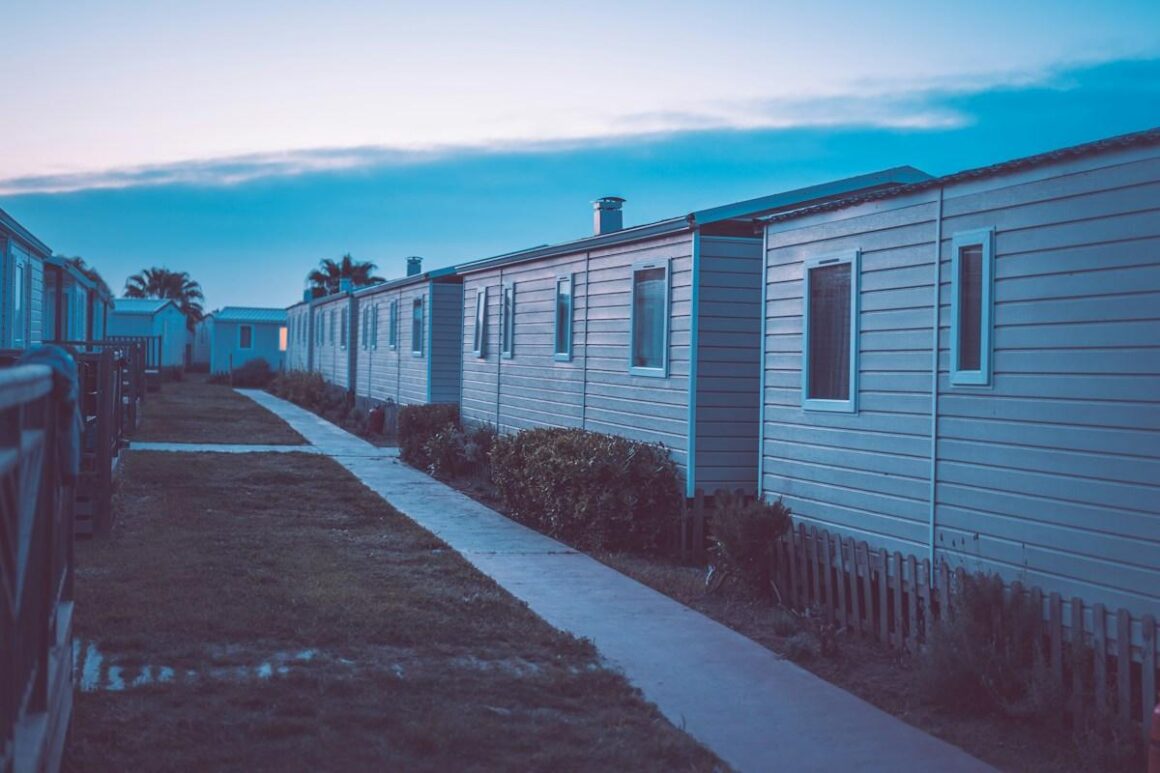
Take pictures of each side of your roof and save them with this weekend’s date. This folder will be your documentation of the roof’s condition prior to any damage. We have a rainy-season checklist that can help you see what else to look for.
More Stories
Is a Portable Power Station Worth Having for Camping and Everyday Use?
Space-Saving Seating Ideas for Compact Homes
What a Home Inspection Report Tells You About the Heating System (and What It Leaves Out)