
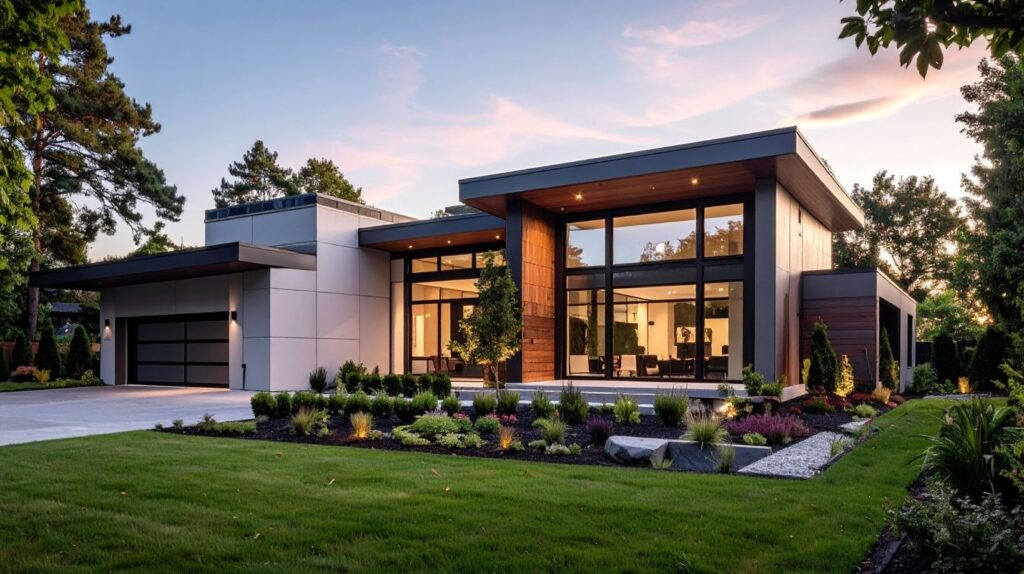
A well-planned landscape can completely change the appearance and functionality of a property. Landscaping is not simply about adding flowers or trimming shrubs. The best outdoor spaces combine attractive design, practical features, healthy plants, proper drainage, and areas that homeowners can actually enjoy. Whether a property needs a complete transformation or several targeted improvements, thoughtful landscaping can provide benefits for years to come.
Smart Landscaping Ideas for a More Beautiful and Functional Yard
A well-planned landscape can completely change the appearance and functionality of a property. Landscaping is not simply about adding flowers or trimming shrubs. The best outdoor spaces combine attractive design, practical features, healthy plants, proper drainage, and areas that homeowners can actually enjoy. Whether a property needs a complete transformation or several targeted improvements, thoughtful landscaping can provide benefits for years to come.
Begin With the Overall Landscape
Before making individual improvements, it helps to look at the property as a whole. Consider the home’s architecture, existing trees, lawn areas, walkways, patios, driveways, drainage patterns, and how the family uses the outdoor space.
A common mistake is completing several unrelated projects without considering how they will eventually work together. A new planting bed might look great today but interfere with a future patio or walkway. Similarly, trees planted too close to structures may eventually outgrow the available space.
Creating an overall plan allows improvements to be completed in stages while maintaining a consistent design. Working with an Indianapolis landscape company can also help homeowners determine which improvements should be completed first and how different landscape features can complement one another.
Create Attractive Landscape Beds
Landscape beds are among the most effective ways to improve a property’s appearance. Defined beds around the foundation, entrance, trees, driveway, or patio can add structure and create a finished look.
Successful planting beds typically contain a mixture of plants with different heights, textures, and blooming seasons. Shrubs can provide structure throughout the year, while perennials and ornamental grasses introduce seasonal color and movement.
Plant placement should account for mature size rather than how plants look when first installed. Leaving adequate space helps prevent overcrowding and reduces the amount of pruning required later.
Mulch can provide a clean finishing touch while helping retain soil moisture and control weeds. However, mulch should be installed at an appropriate depth and kept away from direct contact with tree trunks.
Select Plants for the Right Locations
Plant selection is about more than choosing attractive flowers and shrubs. Different areas of a property can have dramatically different growing conditions.
Some locations receive direct sunlight throughout the day, while others may remain shaded by trees or buildings. Soil moisture and drainage can also vary considerably within the same yard.
Choosing plants suited to each location generally produces healthier landscaping and reduces maintenance. Plants struggling in unsuitable conditions may require additional watering, fertilizer, pruning, or eventual replacement.
Homeowners should also consider how the landscape will look throughout the year. Combining evergreen plants with flowering shrubs, ornamental grasses, perennials, and trees can provide interest during multiple seasons.
Don’t Overlook Drainage
Water management is an important part of landscape planning. Heavy rainfall can expose grading and drainage problems that aren’t noticeable during dry weather.
Standing water may damage lawns and plants, create muddy areas, and make portions of a yard difficult to use. More serious drainage problems can direct water toward foundations or other structures.
Before making major landscape changes, homeowners should observe where water flows and where it collects. New planting beds, edging, patios, and other improvements should be designed so they don’t unintentionally interfere with existing drainage.
In some situations, grading adjustments or drainage solutions may be appropriate before decorative landscaping begins.
Add Privacy Naturally
Landscaping can provide privacy without making a backyard feel enclosed. Strategically placed trees, shrubs, and ornamental grasses can help screen neighboring properties, streets, utility equipment, and other unwanted views.
Natural screening can also create attractive backgrounds for patios and seating areas. Instead of planting a single straight row of identical shrubs, combining several varieties can produce a softer and more interesting appearance.
When selecting privacy plants, homeowners should consider mature height and width, growth rate, sunlight requirements, and seasonal appearance.
Make Outdoor Areas More Functional
Landscaping should improve how a property is used as well as how it looks. Plantings, walkways, patios, and lawn areas can help establish different zones within a backyard.
A landscape might include an open lawn for children, a shaded seating area, a patio for entertaining, and planted areas that create separation between spaces.
Walkways can also improve functionality by providing convenient routes between entrances, patios, driveways, gardens, and other frequently used areas.
The goal is to create an outdoor environment that fits the homeowner’s lifestyle rather than simply filling unused space.
Plan for Long-Term Maintenance
Every landscape requires some maintenance, but good planning can make that maintenance much easier.
Plants should have adequate room to grow without constantly needing aggressive pruning. Trees should be positioned where their mature canopies and root systems will have sufficient space. Lawn areas should be shaped so they can be mowed efficiently.
Homeowners who want lower-maintenance landscapes can choose durable plants appropriate for local growing conditions and reduce unnecessary lawn areas through strategically designed planting beds.
Invest in Improvements That Work Together
A beautiful landscape doesn’t have to be completed in one project. Many homeowners achieve excellent results by making improvements over several seasons.
The important factor is having a plan. Drainage, grading, planting beds, trees, walkways, patios, and other features should ultimately function as parts of the same landscape.
When appearance, functionality, plant selection, and long-term maintenance are considered together, landscaping becomes more than a cosmetic improvement. It creates an outdoor environment that enhances the property and provides a more enjoyable place to spend time for years to come.
More Stories
How to Clean Household Spills Safely and Effectively
How to Make a Small Living Room More Comfortable After Dark
How a New Deck Adds Value to Your Home