
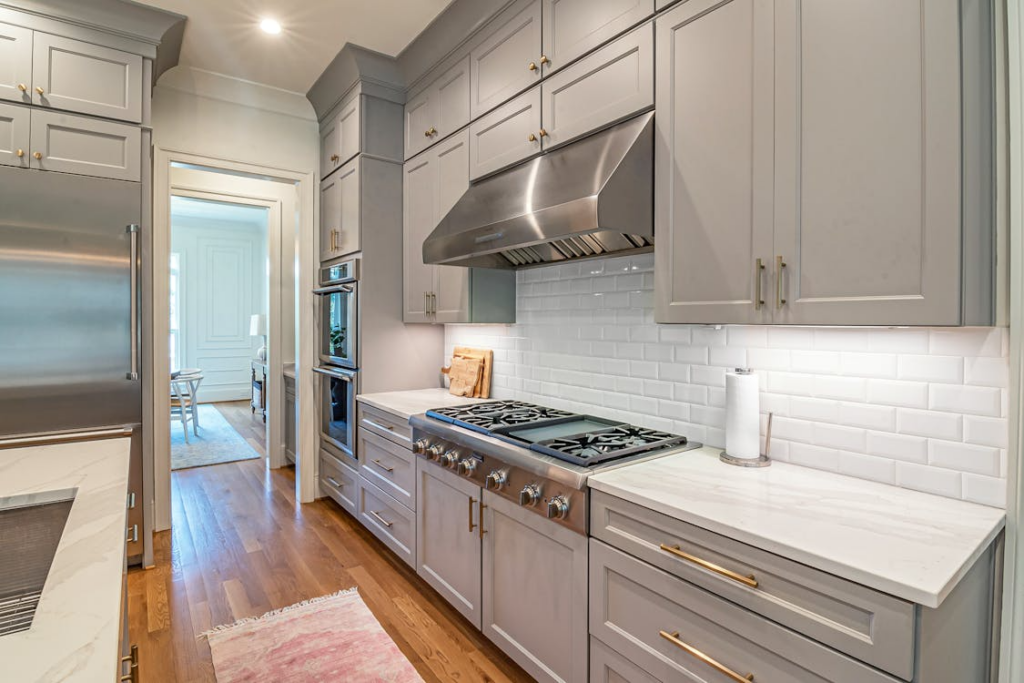
New kitchen cabinet acquisitions are the type of project you don’t do that often, that’s why you can’t afford to buy on impulse, based on social media trends, or driven by the first convincing ad you come across when scrolling on Facebook. Preferably, you’ll consider both appeal and practicality, because a kitchen must tick these two boxes. The shaker kitchen cabinetry is the choice that never truly leaves people’s hearts, for it can be uniquely tailored to fit any home, ensuring the space looks stunning not only today, but years from now. What are shaker cabinets, and why are they an all-time favorite that experts claim to be red-hot in 2026, too?
What is the shaker style more exactly?
It pays to take a look at the shaker style’s history if you want to understand how it gained such popularity over time. The name and concept are associated with a movement commenced in the 18th century and driven by a desire for practicality, purity, utility, and simplicity, values that those days' English religious community translated from their lifestyle into their design. It originated in England, where the Shaker community, from which the kitchen design gets its name, had to model and handcraft everything themselves, from buildings to furniture. The Shakers’ main values centered on practical and reliable materials, like the use of solid timber instead of veneers, with models made cleanly and completely free of any unnecessary decorations. The same epoch saw the expansion of the Victorian design, which, by contrast, boasted all sorts of ostentatious ornamentations.
That’s why you can instantly tell when a piece of cabinetry belongs to the shaker style. It will feature its characteristic door uniting five pieces: one recessed panel enclosed by the frame, two horizontal rails, and two vertical stiles. The cabinetry won't try to keep your eye glued to gaudy extras, but to make you focus on what matters: the craftsmanship’s quality, the material’s beauty, and the cabinets’ pure functionality.
The advantages you can expect with shaker cabinetry
If you’re wondering why kitchen designers and homeowners are constantly coming back to this type of cabinet style, the answer lies in a combination of advantages the design offers simultaneously.
Low, easy maintenance
Let’s be honest: no one wants a kitchen that’s constantly exposing all the daily grime, like oil splashes, dust, fingerprints, etc. You may not even be a fervent cooker; some mess is simply inescapable in modern kitchens that rely on this room for events like family meetings. Cabinetry featuring intricate carvings or ornate moldings makes grime difficult to clean and bringing the surface back to a pristine condition can take hours of scrupulous work – effort that you shouldn’t be committing to if you value your time, especially when it comes to an investment you plan on sticking with for years. With shaker cabinetry, you only need several free seconds, a microfiber cloth, and a mild cleaning product to freshen up the doors and surfaces. This is also a core ethos in shaker design, which is all the more valuable for modern families who want a home that looks spick-and-span without the extra burden.
Unparalleled versatility
Perhaps the biggest asset of shaker kitchen cupboards is their ability to adapt to pretty much any interior style. Are you aspiring to a super-modern kitchen? Or a welcoming, rustic aesthetic? Or maybe it’s just a nice transitional space. The shaker style can blend flawlessly; what'll make the difference will mainly be dictated by your choices in features like hardware, finishes, colors, and other such details.
If you want a contemporary vibe, you can opt for black, matte handles, with thin, clean lines. And if you’re going for a warm, vintage aesthetic, just switch to some antique brass or bronze cup pulls, and your kitchen will instantly exude that cozy charm. There's a reason why they call this style the "chameleon of interior design" after all.
A design that’ll stand the test of time
Most trends in interior design are incredibly ephemeral – they come and go depending on the latest social media craze and leave homeowners feeling like the very remodel they underwent just last year is already outdated. Just think of the mania buzzing around the super high-gloss kitchens that were the dernier cri a few years ago, and which now, we can all agree, lack personality. The clean, classic lines of the shaker style alongside the timeless, classic design translate to a choice that’ll look just as current and fresh decades from now.
Design recommendations for shaker cabinetry
It’s important to determine whether you want your kitchen to look and feel more spacious, in which case you should opt for a neutral palette – think warm beiges, off-whites, or soft grays. If you prefer a more intimate feel, you can go with warmer wood stains.
Consider what model and color of hardware best meet your expectations – brass and brushed nickel will convey a more old-world aesthetic, whereas gold or black will offer a modern feel.
Don’t overlook the countertop – because shaker doors have that clean-lined look, they pair nicely with more types of surfaces. Quartz with subtle veining and white marble both add texture without competing with surrounding elements, while maple flips the script and adds warmth and material density in the room.
The backsplash is another key element you can use to personalize your kitchen the way you want. A marble or quartz backsplash is a surefire way to achieve a luxurious, bold look. If you’re looking for a more budget-friendly alternative, ceramic tiles can make a great choice – clean, classic, and affordable.
Now, perhaps the most fun part you should have a blast with is the strategic placement, choice, and use of lighting. Because lighting strongly impacts how you feel a room. You can play with it to accentuate different shadows and textures, and lines in cabinetry. More particularly, you can place LED strips under cabinets and combine them with pendant lights to make the space pop.
Bottom line
The shaker kitchen style never seems to fade into another bygone trend – it’s easily adaptable, timeless in appeal, and values practicality. All these are making it a mainstay in homes across generations.
More Stories
How To Reach Bobby Kane At MobileHomeExteriors: Phone Numbers, Best Times To Call, And Alternatives (2026)
How To Contact MobileHomeExteriors’ Harry Moore: Email Tips, Templates, And What To Expect (2026)
How To Email Bobby Kane At MobileHomeExteriors: Templates, What To Include, And Response Tips (2026)