
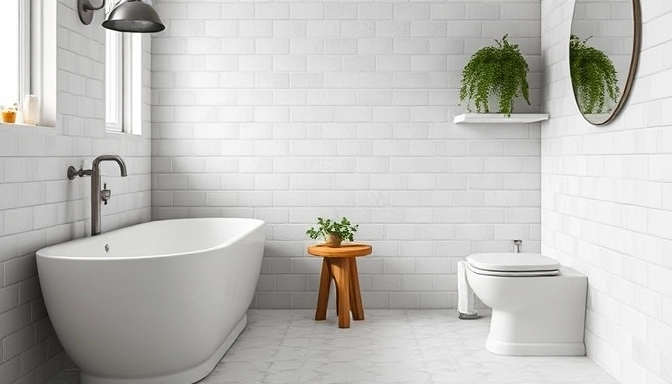
A tired bathroom can make the whole home feel older than it really is. Stained grout, dull wall surfaces, dated fittings, poor lighting, and general wear can all build up over time, leaving the room feeling harder to clean and less enjoyable to use.
The good news is that refreshing a bathroom does not always mean stripping everything out and starting again. If the space is structurally sound, with no active leaks, major water damage, or serious mould issues, there are plenty of ways to improve how it looks and feels without retiling.
Instead of turning a simple update into a messy renovation, focus on the changes that make the biggest visual difference. Clean wall finishes, brighter lighting, fresh fixtures, better storage, and a few simple styling choices can help transform a dated bathroom into a cleaner, more modern space without the stress of a full rebuild.
Start With a Deep Clean and a Clear Plan
Before changing anything, give the bathroom a proper clean and take a closer look at what is making the space feel tired. Sometimes the issue is not the layout or the main surfaces. It may simply be a build-up of mould marks, soap scum, discoloured grout, worn silicone, dated fittings, poor lighting, cluttered storage, or an old mirror that no longer suits the room.
This first step helps you work out where your effort will make the biggest difference. Scrub the shower screen, clean around taps and fixtures, wipe down cabinetry, remove products from the vanity, and check the corners where moisture tends to sit. Once the room is clean and clear, it becomes much easier to see whether the bathroom needs a few surface updates or whether there are bigger issues that should be dealt with first.
It is also important to separate cosmetic problems from repair problems. Stained grout, dull fittings, and old storage can usually be improved with simple updates. Leaks, swollen cabinetry, soft wall areas, loose tiles, or mould that keeps coming back are different. Those problems should be fixed before covering, painting, sealing, or styling anything.
Moisture control is especially important in bathrooms. The EPA notes that mould control starts with moisture control, and recommends running the bathroom fan or opening a window while showering to help reduce damp conditions. A bathroom refresh will always work better when the space is dry, well ventilated, and in sound condition before the cosmetic changes begin.
Refresh The Walls Without Removing Tiles
Bathroom walls have a huge impact on how the whole room feels. Even if the vanity, flooring, and fittings are still in decent condition, old wall tiles can quickly make the space look dated. Dark grout, busy patterns, chipped edges, or stained surfaces can all draw the eye and make it harder to refresh a dated bathroom without doing more work than planned.
The problem is that removing tiles is often one of the messiest parts of a bathroom update. It can involve dust, noise, wall repairs, waterproofing concerns, and extra labour before the new finish even goes on. If the existing walls are sound and the issue is mostly visual, it may be worth looking at modern wall covering options instead of pulling everything apart.
Consider Bathroom Wall Panels
For homeowners who want a cleaner wall finish without committing to a full tile replacement, wall panels can be a practical option. Products such as Wet Wall Works’ wall panelling for bathrooms can help create a fresh, modern surface while reducing the amount of grout that needs regular cleaning.
This can be especially useful in bathrooms where the tiles are structurally sound but no longer suit the room’s look. Rather than focusing only on what needs to be removed, think about what kind of surface will be easier to live with day to day.
Keep The Look Simple
When refreshing bathroom walls, simple finishes usually work better than anything too bold or trend-heavy. Soft whites, pale greys, neutral stone-look finishes, and clean marble-inspired patterns can help brighten the room without overwhelming it.
A lighter wall finish can also make a small bathroom feel more open, especially when paired with a larger mirror and better lighting. If the rest of the room already has strong colours or detailed flooring, keeping the walls simple will help the space feel calmer, cleaner, and more balanced.
Replace Small Fixtures for A Noticeable Lift
Small fixtures can make a surprising difference when you are trying to refresh a dated bathroom. They may not take up much space, but they are used every day and sit in highly visible areas. Old taps, a worn showerhead, loose towel rails, or mismatched accessories can make the whole room feel less cared for, even when the main surfaces are still in reasonable condition.
Replacing these details is one of the simplest ways to update an old bathroom without major renovation. A new tap set, showerhead, toilet roll holder, robe hook, or soap holder can give the room a cleaner, more coordinated look. Cabinet handles are another easy change, especially if the vanity itself is still functional, but the hardware makes it feel dated.
The key is to keep the finish consistent. Mixing too many metals or styles can make a small bathroom feel busy, so choose one main finish and repeat it across the room where possible. Chrome, brushed nickel, matte black, and soft brushed metallic finishes can all work well, depending on the style of the space.
This kind of update is also a good chance to remove accessories that no longer serve a purpose. If an old soap dish, towel rail, or hook is damaged, awkwardly placed, or hard to clean around, replacing it with something simpler can make the bathroom feel fresher and easier to maintain. Small changes will not fix serious repair issues, but they can help modernise a dated bathroom quickly when the overall space is still in good condition.
Upgrade The Mirror and Lighting
Poor lighting and an old mirror can make even a clean bathroom feel flat, dull, or dated. If you want to refresh a tired bathroom without changing the whole layout, this is one of the most practical places to start.
A small mirror can make the room feel more closed in, especially above a narrow vanity. Replacing it with a larger mirror can reflect more light, open up the space, and make the bathroom feel brighter almost instantly. If storage is also an issue, a mirror cabinet can be a smart alternative because it adds hidden space for everyday items without adding visual clutter to the benchtop.
Lighting has a similar effect. A bathroom with dim, uneven, or overly warm lighting can look yellow and tired, even after a deep clean. Improving task lighting around the vanity can make the space feel more modern and much easier to use for shaving, skincare, and getting ready.
Where suitable, choose a brighter, cleaner light that works with the room’s finishes. This does not mean the bathroom needs to feel cold or clinical. It simply means avoiding lighting that makes white walls, grout, cabinetry, or wall finishes look cream, orange, or aged. With the right mirror and lighting combination, a dated bathroom can feel cleaner, fresher, and more spacious without any major renovation work.
Renew Silicone, Grout Lines, and Edges
A tired bathroom often looks worse because of the small details around the edges. Stained silicone, cracked caulking, dirty grout lines, and messy joins around the bath, shower, or vanity can make the whole room feel older, even if the main fixtures are still in good condition.
Replacing mouldy silicone is a simple way to refresh a dated bathroom and make it feel cleaner straight away. Old silicone can discolour, peel, or trap grime over time, especially in wet areas. Removing it carefully and applying a fresh, neat bead can give the shower, bath, or vanity a much sharper finish.
Grout lines are worth checking, too. If the grout is only stained, a deep clean or grout recolouring product may help brighten the surface and make the tiles look cleaner. If the grout is cracked, loose, or missing in places, it may need proper repair rather than a quick cosmetic touch-up.
Pay close attention to the edges where water is most likely to get behind surfaces. This includes the joins around the bath, shower tray, vanity top, and wall corners, as well as any gaps near fittings. A bathroom update without retiling should still protect the room from water problems, not just make it look better.
If you notice soft wall areas, swollen cabinetry, loose tiles, damp smells, or signs of an active leak, stop before covering or sealing anything. Those issues should be inspected and fixed properly first. Once the bathroom is dry, sound, and sealed, the cosmetic improvements will last longer and look much better.
Improve Storage and Clear the Benchtop
A bathroom can feel much fresher when it functions better. If the vanity is covered in bottles, grooming products, spare toiletries, and loose accessories, the room can look cluttered even when it is clean. Clearing the benchtop is one of the easiest ways to refresh an old bathroom without spending much at all.
Start by removing anything that is empty, expired, rarely used, or duplicated. Keep everyday items close by but give them a proper place. Vanity organisers, drawer dividers, baskets, trays, and small containers can make daily products easier to reach without leaving everything out in the open.
Wall-mounted storage can also help if the bathroom is short on space. Simple shelves, hooks, or a slim cabinet can lift items off the vanity, making the room feel more open. A mirror cabinet is another useful option because it combines storage with a visual upgrade, helping to update a dated bathroom while keeping personal items hidden.
The aim is not to make the bathroom look unused. It should still be practical for everyday routines. The difference is that daily-use products should feel organised rather than scattered. Once the surfaces are clearer, the whole bathroom will usually feel cleaner, calmer, and more modern.
Add Soft Finishing Touches
Once the bigger visual issues are handled, soft finishing touches can help complete the bathroom refresh. These details will not fix damaged surfaces, leaks, or worn-out fixtures, but they can make a clean and functional bathroom feel more finished.
Fresh towels and a new bathmat are easy places to start. Choose colours that work with the walls, vanity, and flooring rather than adding too many competing tones. A cleaner colour palette can make a dated bathroom feel calmer and more intentional, especially in a small space.
Accessories can have the same effect. Matching soap dispensers, toothbrush holders, trays, and storage containers can make the vanity look more organised. Simple artwork can also help soften the room, as long as it is suitable for a humid space and does not make the walls feel crowded.
Indoor plants can work well in bathrooms, too, provided there is enough light and ventilation. Plants that tolerate humidity can add life to the room and stop the space from feeling too plain or clinical.
The aim is to make the bathroom feel fresh, clean, and easy to live with. Once the walls, lighting, fixtures, storage, and edges have been improved, these final styling choices can pull everything together without making the update feel like a full renovation.
Know When Not to Cover Things Up
Cosmetic updates can be a smart way to refresh a tired bathroom, but they should never be used to hide active problems. If something is leaking, damp, loose, swollen, or soft underfoot, it needs attention before any surface update begins.
Warning signs include damp odours, swollen walls, loose tiles, soft flooring, bubbling paint, recurring mould, or poor ventilation that leaves the room wet long after a shower. These issues can point to moisture problems behind the surface, not just a bathroom that looks old.
Ventilation is especially important. The EPA explains that mould control starts with moisture control, and recommends using a bathroom fan or opening a window while showering to help reduce damp conditions. If moisture is not managed properly, new finishes, fresh silicone, updated fixtures, or styling changes may only provide a short-term improvement.
A bathroom update without retiling works best when the room is already sound, and the main problem is visual. Once leaks, ventilation issues, and water damage have been ruled out or repaired, cosmetic changes can make a much bigger and longer-lasting difference.
Conclusion
A tired bathroom does not always need to be fully retiled to feel clean, bright, and modern again. If the space is structurally sound, a good refresh can come from deep cleaning, improving ventilation, updating the walls, replacing small fixtures, renewing silicone and grout lines, upgrading the mirror and lighting, and simplifying storage.
The most effective changes are often the ones that make the bathroom easier to use and easier to maintain. With the right mix of practical updates and simple styling, a dated bathroom can feel fresher without turning a small project into a major renovation.
More Stories
Construction Marketing Agency Recommendations for Building a Stronger Brand
Why a roof replacement costs more to insure than almost any other exterior job
Safe iGaming at Home in 2026 – What Responsible Play Should Really Look Like