
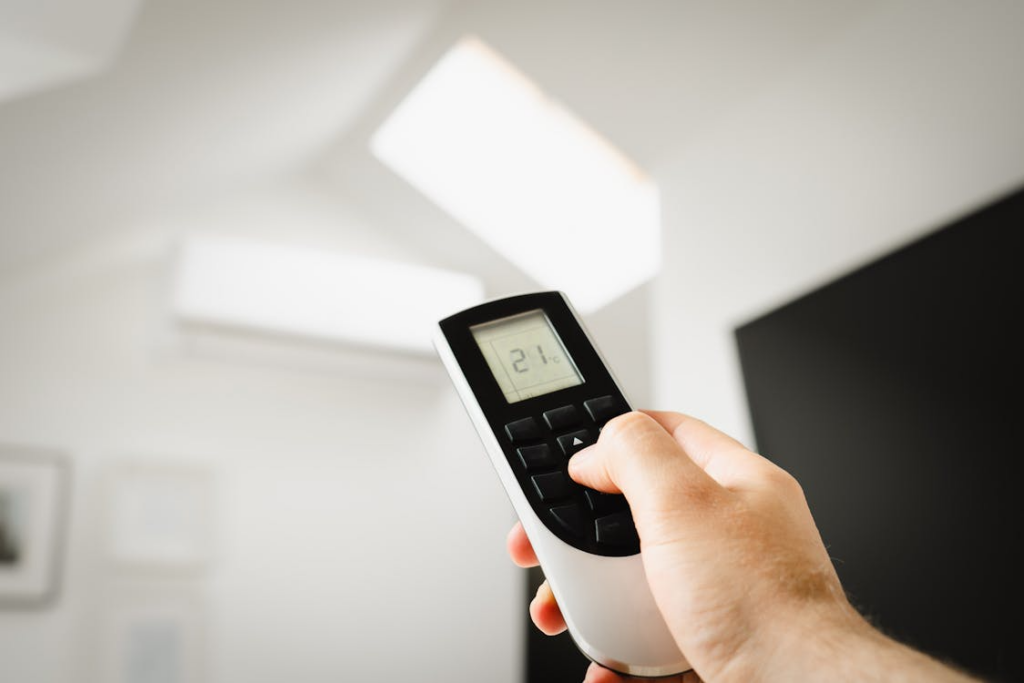
Your HVAC system won’t perform at its peak efficiency without regular maintenance.
You need an HVAC service checklist that includes every room of your home, not just what you can see from the street. And most homeowners don’t realize…
Neglecting HVAC service costs more than comfort. It costs money.
The good news is…
A thorough HVAC service checklist can make regular maintenance simple — and keeps your system running efficiently year-round.
Inside You’ll Learn:
- Why HVAC Service Is More Important Than You Think
- HVAC Service Checklist For Every Room Of The Home
- HVAC Service Tips For Each Season
- When HVAC Service Should Be Left To The Pros
Why HVAC Service Is More Important Than You Think
Grab a pen and take notes. Here’s a stat for you…
Over 50% of energy use in the average household comes from heating and air conditioning.
That means your HVAC system is responsible for the largest chunk of your monthly energy bill. When it’s not running smoothly, costs skyrocket.
Plus – did you know American homeowners spend over $10 billion dollars on HVAC repair and maintenance each year?
Clearly, servicing your HVAC system regularly will save you money. But did you know that most repair bills are completely avoidable?
Turning to a reliable HVAC service when your system is already failing won’t save you money. Preventative HVAC service almost always beats reactive repair jobs, both in terms of price and convenience.
Simply put; air conditioning service before a problem starts is the wisest decision you’ll make as a homeowner. Here’s how to build your home specific checklist.
HVAC Service Checklist For Every Room Of The Home
HVAC service doesn’t stop at the air conditioning unit. Your entire home needs serviced to ensure maximum efficiency.
Room-by-room cleaning may not be as fun as a new hose pipe kit or installing a water feature this summer. But cleaning and servicing your HVAC system will save you hundreds on lower monthly bills. If your system is aging or struggling to perform efficiently, consulting an ac replacement contractor can help you determine whether upgrading to a newer unit is the most cost-effective long-term solution.
Here’s how to handle HVAC service on a room-by-room basis.
Main HVAC Unit (Indoor And Outdoor)
Inspecting the HVAC unit should always be your starting point. Here are some important HVAC system maintenance tasks.
- Check and replace air filters – Every 1–3 months
- Clean condenser coils – Outside unit should be free of dirt/debris
- Inspect refrigerant levels – Low levels indicate a leak which must be repaired
- Check drain lines – Look for clogs or leakages inside
- Examine electrical connections – Loose connections are fire hazards
Make sure your outdoor HVAC system has at least 2 feet of clearance around all sides.
Every Room With A Vent Or Register
Believe it or not – every room in your home plays a factor in HVAC system efficiency. While you wait for that central unit to cool down, go room by room and…
- Remove any furniture blocking airflow from vents and registers
- Test airflow by feeling for air coming from every vent
- Note any rooms that feel hotter or cooler than the rest
- Check for strange odours emitting from vents when running
Restrictions or dirt on registers lowers your system efficiency throughout the entire home. Don’t let these easy fixes slide!
Thermostat
All good HVAC technicians have one piece of advice when it comes to thermostats; don’t overlook them during servicing.
Many homeowners forget about the thermostat completely. These few things you should check during HVAC servicing.
- Calibration – if your reading is off by more than a degree or two from actual room temperature
- Program settings – ensure a programmable thermostat is configured correctly
- Battery strength – Weak batteries cause strange HVAC behaviour
Thermostats aren’t complicated, but they can make a big difference in comfort and monthly costs.
Ductwork
Ductwork is easily the worst offender when it comes to homeowner neglect. Remember how we said every room matters?
Duct runs extend to every room of your home. If they’re leaking or damaged, all that air isn’t going to vents; it’s going into walls and attics.
Issues with ductwork lead to:
- Increased energy bills
- Higher demand on HVAC system
- Reduced lifespan of HVAC components
- Temperature inconsistencies room-to-room
Have your ducts inspected every few years as part of your overall HVAC service routine.
HVAC Service Tips For Each Season
Spring And Summer HVAC Service Tips
Cleaning should always be done before your system is put into heavy use. Ideally, HVAC service before opening the cooling season should include:
- Cleaning outdoor condenser
- Checking refrigerant levels
- Cleaning evaporator coil
- Replacing air filters
Late Spring is also the perfect time to test your cooling for the first time. Catching minor issues before demand hits helps avoid unwelcome surprises.
Fall And Winter HVAC Service Tips
Fall is Heating system service season. In addition to cleaning and replacing filters:
- Inspect furnace burner and heat exchanger
- Check ignition system for damage
- Ensure flue pipe connection is clear
- Test carbon monoxide detectors near HVAC system
As soon as temperatures drop, switch direction and clean your HVAC system to heating mode. Replacing filters ahead of heating season is also a good idea.
Tips To Use Year-Round
- Replace filters every 1–3 months
- Clean registers and keep them unblocked
- Monitor energy bills – spike means something’s wrong
- Listen for rattling or whistling – airflow could be restricted
Systems that make it to 15+ years are the ones serviced annually. Systems that die at 8 years aren’t.
When HVAC Service Should Be Left To The Pros
We get it. Some HVAC service chores are DIY friendly. Changing a filter or cleaning a register isn’t rocket science.
But here’s the truth we’re afraid to tell you…
If your task includes handling refrigerant, any electrical components, the heat exchanger, or ductwork; you NEED a professional HVAC technician.
Messing around with HVAC components you don’t understand is dangerous. It can also void warranties which cost MUCH more than a service call.
Whenever any of these components are involved, play it safe and call a pro.
Before Anything Breaks Down
Regular HVAC service isn’t hard – but it does have to be consistent.
Cover the unit itself, the ductwork, the thermostat, and every room in your home. Each element is crucial to your home HVAC system.
Let’s review:
- Replace HVAC filters every 1–3 months
- Clean registers room-by-room
- Check main unit and drain lines each season
- Look for hot or cold rooms – possible duct problem
- Call a pro to handle anything difficult
The ideal time to schedule professional HVAC service is at the start of a season, not midway through when your system breaks down.
Cooling systems should be serviced just before summer starts and heating systems just before winter.
This one habit is the difference between comfortable months and uncomfortable utility bills year after year.
More Stories
How to Clean Household Spills Safely and Effectively
How to Make a Small Living Room More Comfortable After Dark
How a New Deck Adds Value to Your Home