
Quick Answer
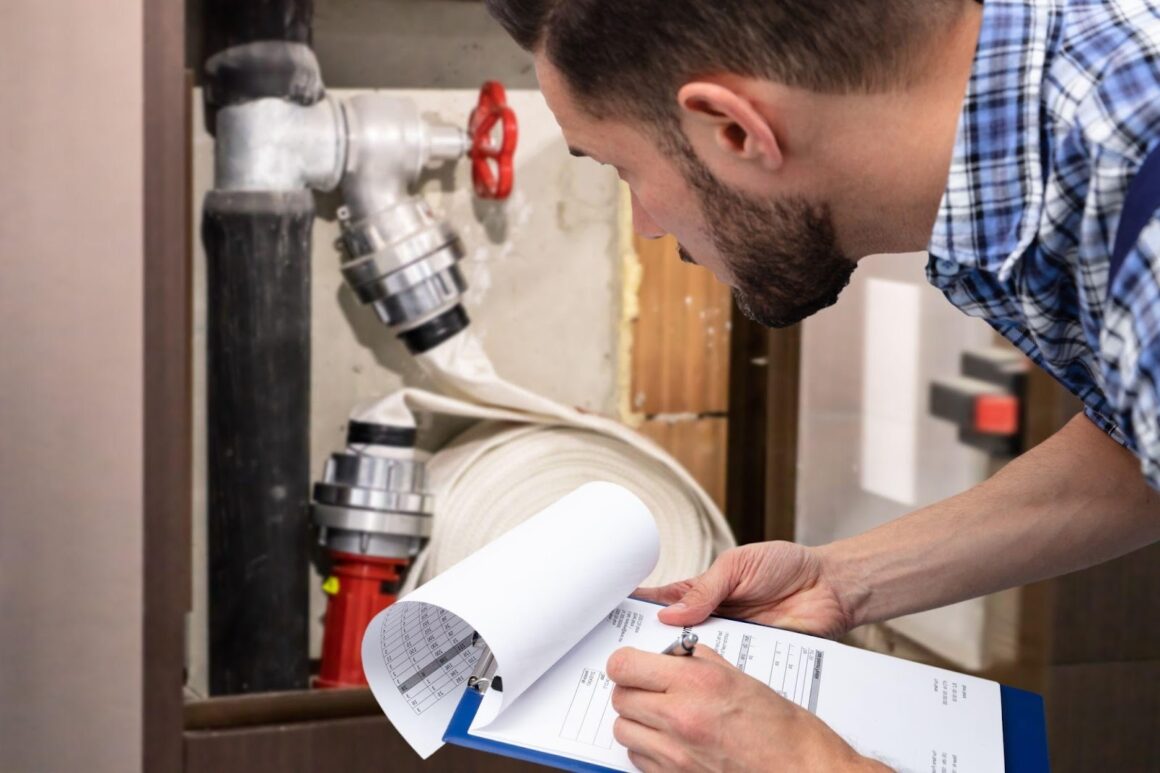
A detailed examination of your home’s entire water infrastructure can reveal subtle concerns before they develop into major disruptions. When homeowners prioritize routine professional evaluations, they reduce the risk of unexpected flooding, escalating water bills, and invasive repair projects. These proactive assessments provide lasting peace of mind while supporting the longevity of pipes, fixtures, and appliances that use water across your property. Early attention to minor wear helps maintain system reliability and protects your home’s structural integrity for years to come.
Introduction
Imagine returning home after a winter getaway to find water staining your ceiling, or hearing an unfamiliar hiss inside a wall during a quiet evening. For many Canadian homeowners, these unsettling moments trace back to plumbing concerns that developed slowly, out of sight. The truth is, most catastrophic water damage starts with a small, overlooked issue that a timely evaluation could have identified.
This is where whole-home plumbing system inspections deliver exceptional value. A skilled technician will methodically review your supply lines, drains, vents, water heater, and fixtures to establish a clear picture of your system’s condition. By addressing minor corrosion, slow drips, or pressure irregularities early, you avoid the stress and expense of emergency repairs down the road.
What follows is a practical guide to understanding what a comprehensive plumbing evaluation involves, why seasonal timing matters in our climate, and which warning signs deserve your attention. You will discover simple habits that support system health and learn when professional insight makes the greatest difference for your home’s protection and your family’s comfort.
Why Whole-Home Plumbing Inspections Prevent Costly Repairs
Understanding the Scope of a Comprehensive Evaluation
A thorough residential plumbing assessment examines every component that moves water into, through, and out of your home. This includes supply lines, shut off valves, drain pipes, vent stacks, water heaters, sump pumps, and fixture connections. Technicians use specialized tools to check water pressure, flow rates, and drainage efficiency while visually inspecting accessible pipes for corrosion, mineral buildup, or signs of past leaks. The goal is to create a complete baseline of your system’s health, not just address visible concerns.
Hidden Issues That Professional Eyes Catch Early
Many plumbing problems develop silently behind walls, under floors, or in crawl spaces. A focused leak detection and pipe inspection can identify moisture intrusion, microfractures, or joint failures long before they cause visible damage. Common early warning signs professionals look for include:
- Unexplained increases in water usage on utility statements
- Discoloured water or unusual odours from taps
- Gurgling sounds in drains or slow drainage across multiple fixtures
- Damp spots on walls, ceilings, or flooring with no obvious source
- Fluctuating water pressure during normal household use
Catching these indicators early allows for targeted repairs that are far less invasive and expensive than waiting for a pipe to burst or a sewer line to collapse.
Seasonal Considerations for Canadian Homes
Canada’s climate presents unique challenges for plumbing systems. Freezing temperatures in winter can stress pipes, while spring thaw may reveal foundation shifts that affect underground lines. Summer humidity can accelerate corrosion in older metal pipes, and autumn leaf debris can impact exterior drainage. Scheduling preventive plumbing inspections during seasonal transitions helps homeowners prepare their systems for upcoming weather demands. For example, a fall check can ensure outdoor spigots are properly winterized, while a spring evaluation can assess any frost-related movement in supply lines.
Cost Comparison: Prevention Versus Emergency Repairs
Investing in routine plumbing maintenance checkups delivers measurable financial benefits. The table below illustrates typical cost ranges for common scenarios when addressed proactively versus reactively:
| Issue Identified Early | Proactive Repair Cost | Emergency Repair Cost After Failure |
| Small pipe leak | $150 to $400 | $1,200 to $3,500 (plus water damage) |
| Water heater sediment buildup | $200 to $500 | $1,800 to $4,000 (replacement + cleanup) |
| Partial drain blockage | $125 to $300 | $600 to $2,200 (if backup occurs) |
| Corroded shut off valve | $175 to $450 | $900 to $2,800 (if valve fails during emergency) |
| Minor sewer line root intrusion | $300 to $800 | $2,500 to $7,000 (full line repair) |
These figures reflect average Canadian market rates and underscore how early intervention preserves both your budget and your home’s integrity.
The Role of Advanced Diagnostics
Modern plumbing system diagnostics employ non invasive technologies such as video camera inspections, acoustic leak sensors, and pressure testing equipment. These tools allow technicians to evaluate conditions inside walls or underground without destructive exploration. Homeowners receive clear documentation of findings, including video footage or digital reports, which support informed decisions about repairs, upgrades, or monitoring priorities. This transparency builds confidence and helps prioritize investments in your home’s infrastructure.
Practical Steps Homeowners Can Take Today
Simple Checkpoints Between Professional Visits
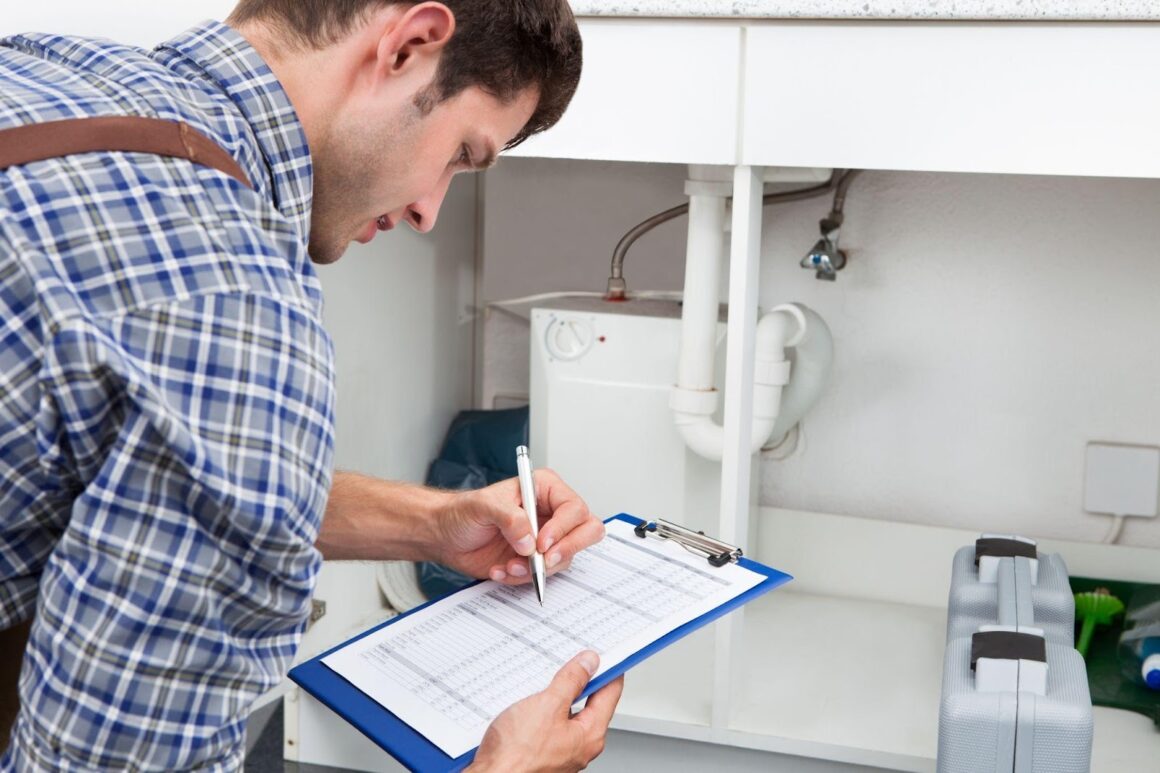
While expert evaluations provide deep insight, homeowners can support their plumbing health with a few mindful habits. Start by monitoring your water meter during a two-hour period when no water is in use. If the reading changes, you may have an unseen leak worth investigating. Regularly inspect visible pipes under sinks and around appliances for moisture, discolouration, or mineral deposits. Keep an ear out for unusual sounds like dripping behind walls or gurgling in drains, as these often signal developing concerns.
Warning Signs That Deserve Immediate Attention
Certain indicators suggest it is time to seek professional support without delay. Use this quick reference to guide your response:
| Observation | Likely Concern | Recommended Action |
| Water pooling around water heater base | Tank corrosion or valve failure | Shut off supply and schedule evaluation |
| Persistent sewer odour in multiple rooms | Drain vent blockage or sewer line issue | Avoid chemical cleaners and contact a specialist |
| Sudden drop in water pressure throughout home | Main line obstruction or pressure regulator fault | Test at multiple fixtures and document findings |
| Discoloured water after period of non use | Pipe corrosion or sediment disturbance | Run cold tap for several minutes, then assess |
| Unexplained increase in water bill | Hidden leak or running toilet | Check toilet flappers and inspect visible piping |
Preparing for a Professional Evaluation
When you decide to schedule a comprehensive review, a little preparation helps the process run smoothly. Clear access to utility rooms, basement ceilings, and crawl spaces allows technicians to work efficiently. Make a short list of concerns you have noticed, such as fixtures that drain slowly or water temperature inconsistencies. If your home was built before 1980, note the age of major components like the water heater or supply lines, as this context informs inspection priorities. Having this information ready ensures you receive the most relevant guidance for your property.
Seasonal Habits That Support Long-Term System Health
Canadian weather demands thoughtful plumbing care year-round. In autumn, disconnect and drain outdoor hoses before the first freeze to protect exterior spigots. During winter, keep cabinet doors open under sinks on exterior walls to allow warm air to circulate around pipes. In spring, test your sump pump by pouring water into the pit and confirming it activates properly. Summer is an ideal time to flush your water heater to remove sediment that can reduce efficiency. These small actions, paired with periodic professional support, create a resilient plumbing system that serves your home reliably through every season.
Final Thoughts on Protecting Your Home’s Plumbing
Taking a thoughtful approach to your home’s water infrastructure pays dividends in reliability, safety, and financial peace of mind. When homeowners embrace regular professional evaluations alongside simple at-home vigilance, they create a powerful defence against unexpected disruptions. Modern plumbing system diagnostics provide clarity that was once impossible, allowing you to address concerns with precision rather than guesswork.
More Stories
Simple Water Quality Upgrades for a Mobile Home
Concrete Patio Ideas That Can Transform Your Backyard
Basement Renovation Ideas That Add Useful Space to Your Home